Home » Operations » Cyclone Batsirai

Cyclone Batsirai

Years :
Incidents :
Country :

Description of the mission

Participants :
Requester :

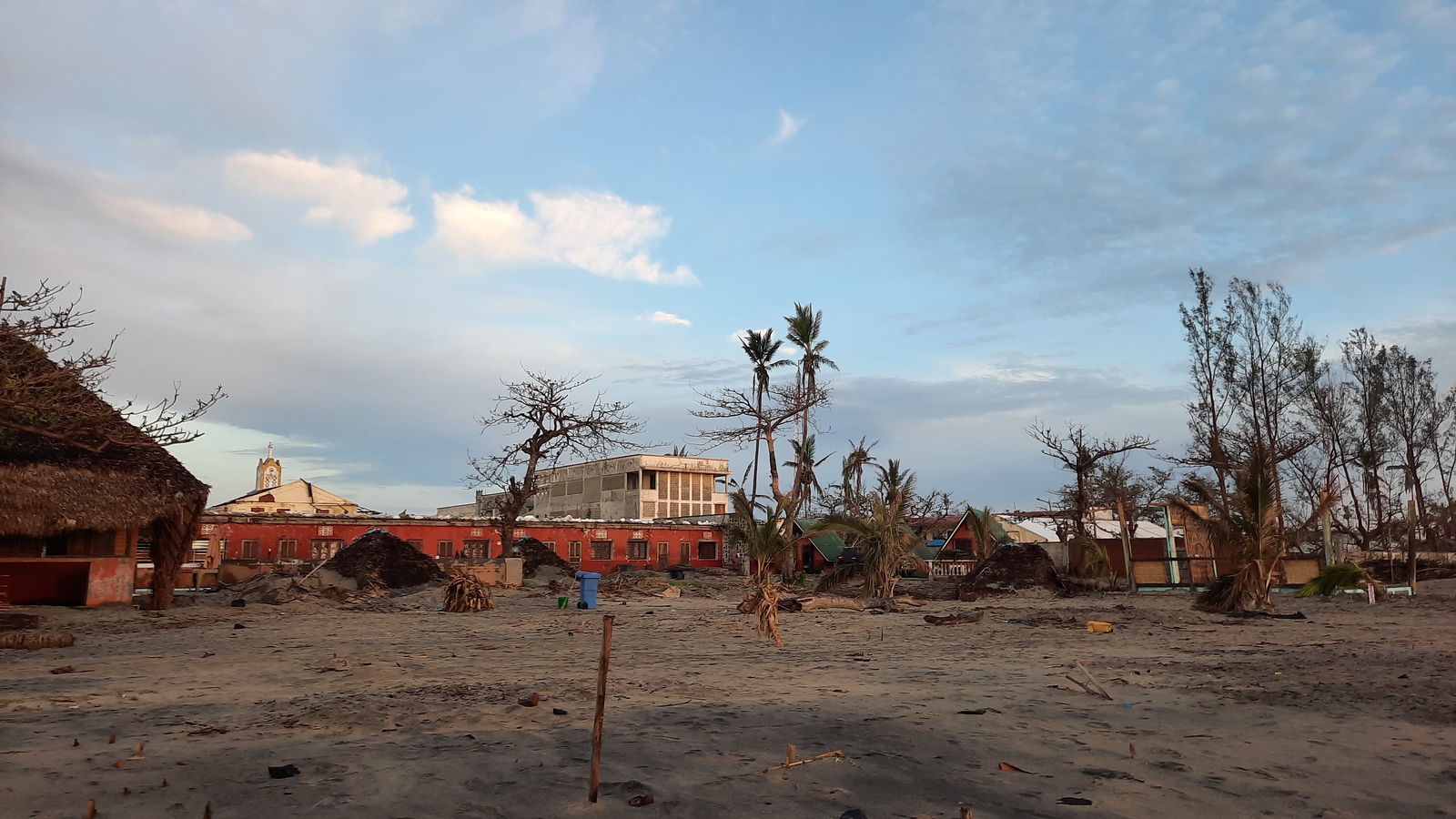
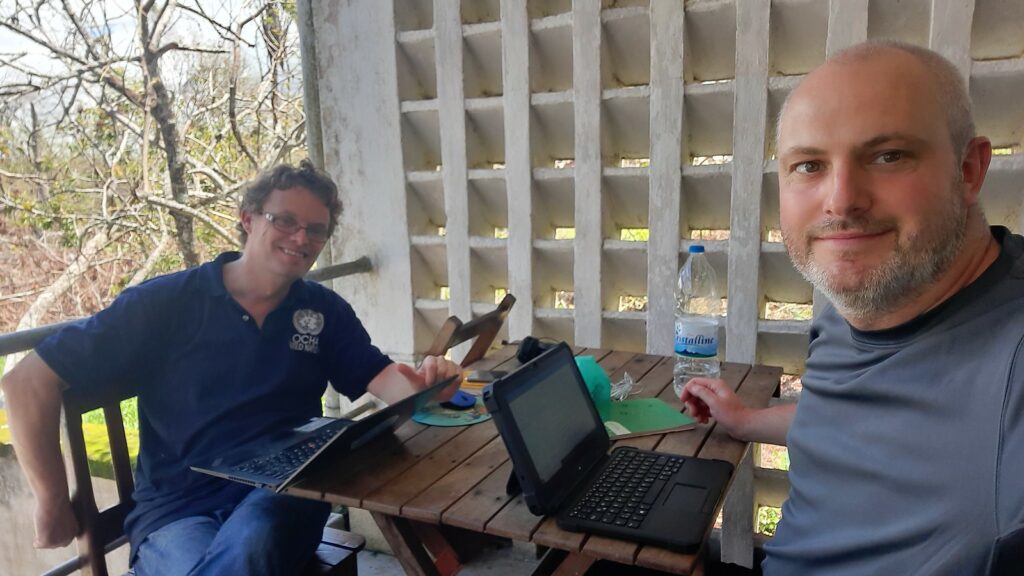
During the response to Cyclone Batsirai in Madagascar in 2022, CGDIS (Luxembourg) deployed an ICT expert under the International Humanitarian Partnership (IHP) framework to support the United Nations Disaster Assessment and Coordination (UNDAC) team. The ICT expert’s role was crucial in setting up communication systems to ensure the UNDAC team could effectively coordinate with humanitarian organizations operating in the affected regions.

This support was essential, as the cyclone caused significant damage to infrastructure, making reliable communication and information flow a challenge. The IHP’s contribution helped improve logistical coordination, enabling faster and more efficient humanitarian responses on the ground.
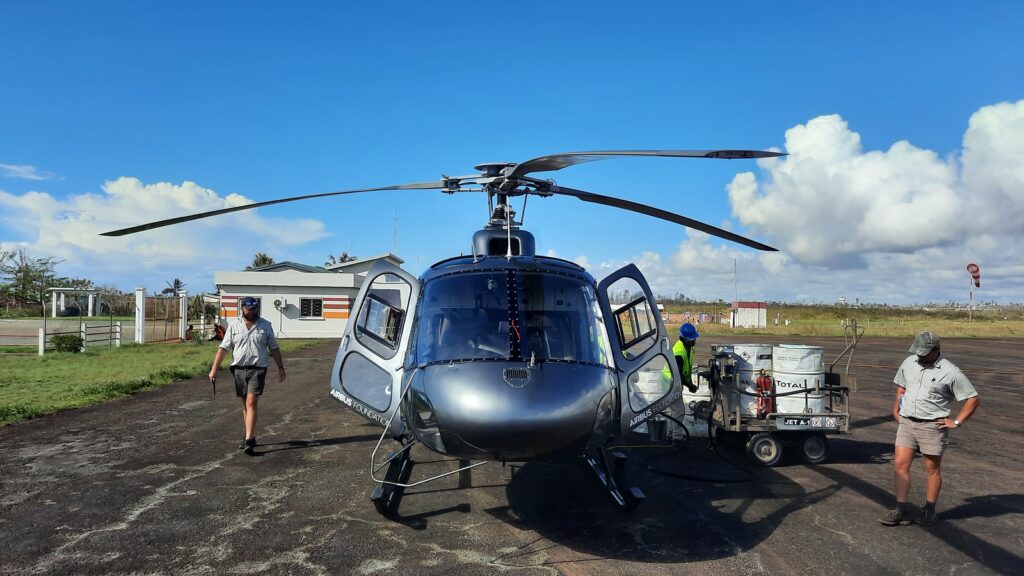
Essential equipment supporting humanitarian success

Explore the critical equipment deployed during this humanitarian mission. From advanced medical supplies to innovative logistical solutions, each resource was meticulously selected to address urgent needs on the ground. These tools exemplify our commitment to delivering efficient, effective, and tailored support in the most challenging environments.

Other missions

Gambia Floods

In response to the severe flooding that affected The Gambia in July and August 2022, IHP, with Norway’s contribution, played a pivotal role in supporting the United Nations Disaster Assessment and Coordination (UNDAC) team’s operations.

Maiduguri and Borno State Hubs

In 2017, amid the escalating humanitarian crisis in Nigeria due to conflict in the northeastern region, the International Humanitarian Partnership (IHP) launched a project to bolster humanitarian operations.

TRIPLEX 2013

TRIPLEX 2013, hosted on the Danish-German border, was one of the world’s largest civilian-led humanitarian coordination exercises. Organized by the International Humanitarian Partnership (IHP) and co-financed by the European Commission Civil Protection Mechanism, it brought together over 200 participants from 35 organizations. The scenario involved a cyclone striking two fictional countries, Nordland and Sydland, affecting nearly one million people. Participants practiced evacuation, shelter provision, and infrastructure repair, with coordination led by the On-Site Operations Coordination Centre (OSOCC).