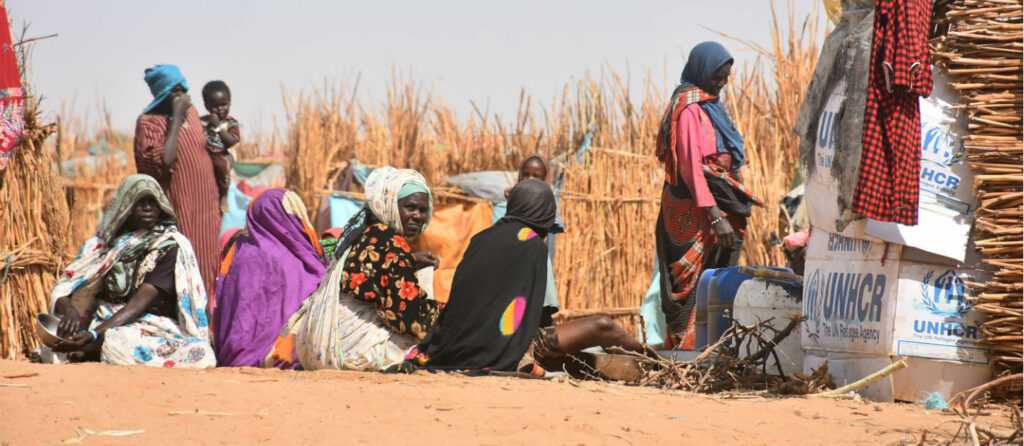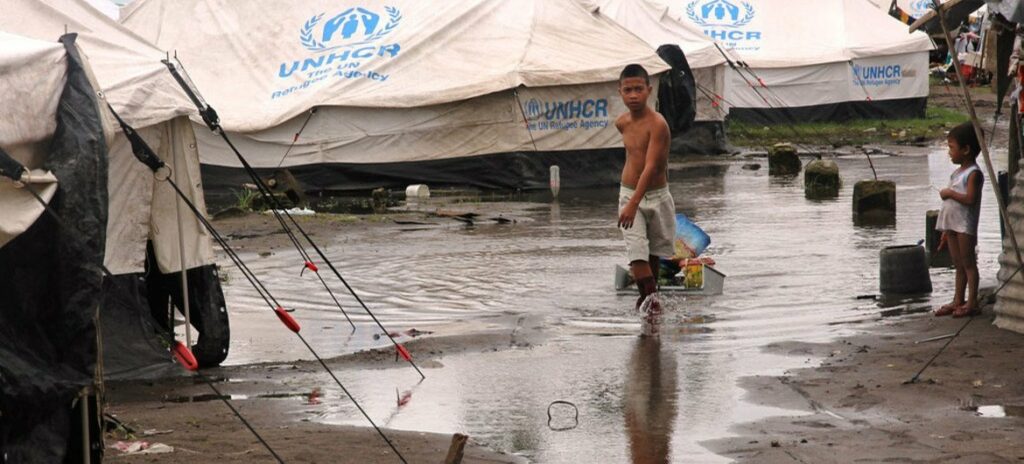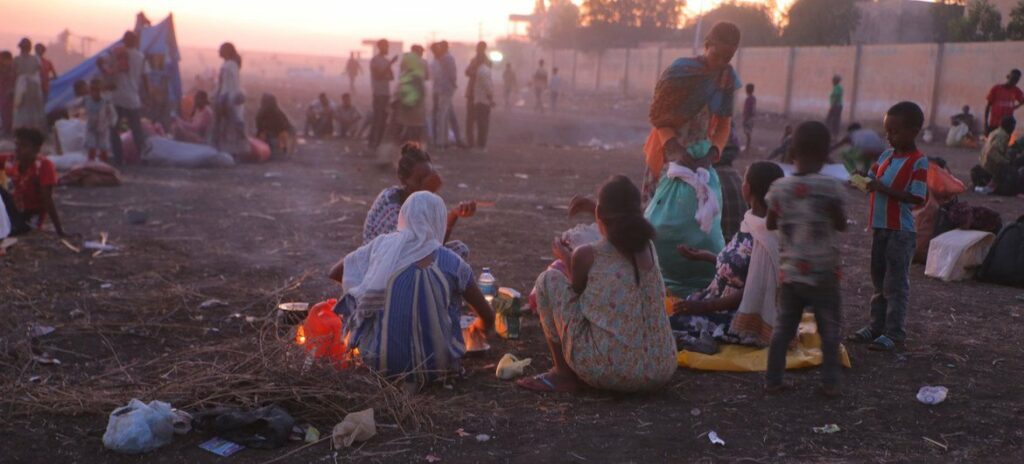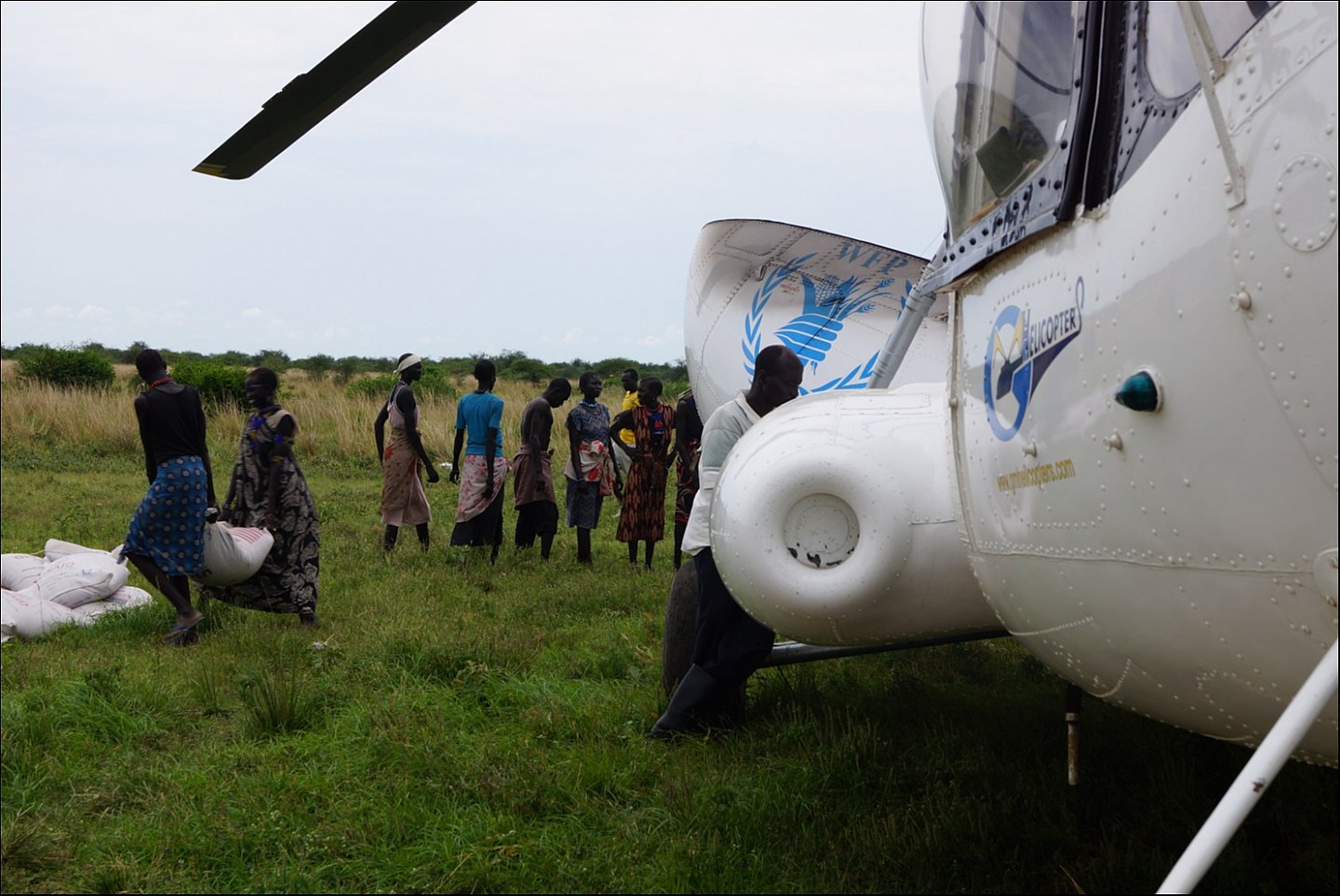
In 2014, South Sudan faced one of the worst crises in its young history. Escalating violence, coupled with recurring natural disasters, led to the displacement of over 1 million people and left more than 4 million in need of urgent assistance. Jonglei State, one of the hardest-hit regions, posed significant challenges to humanitarian operations due to ongoing conflict and severe flooding during the rainy season.
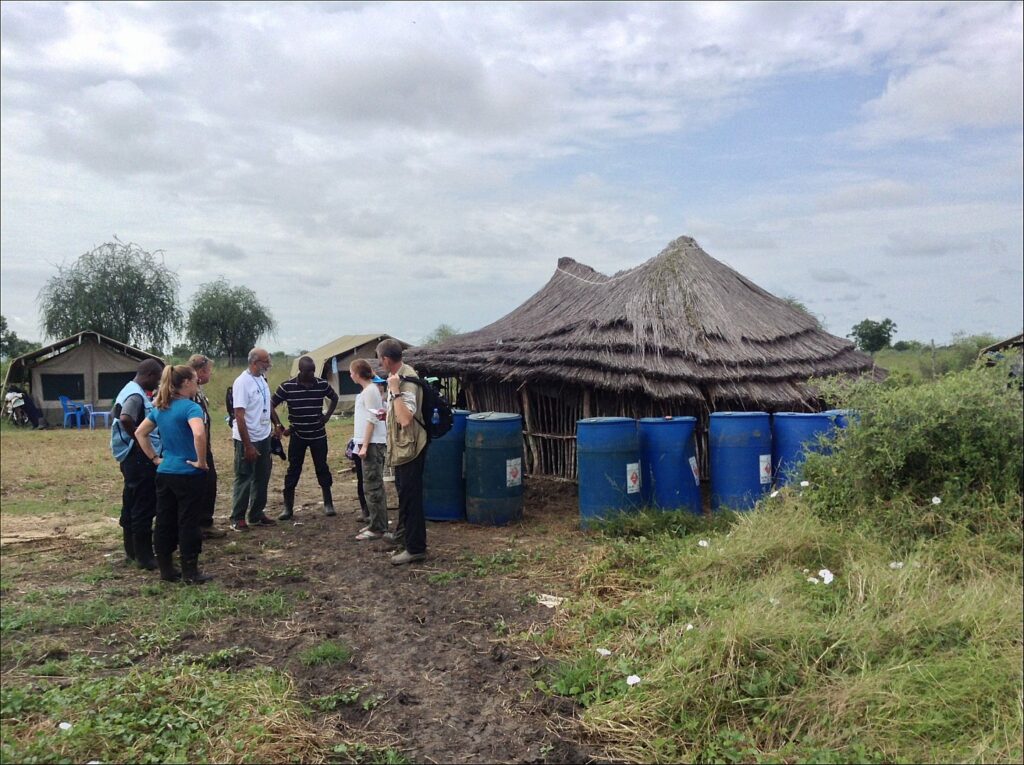
To provide a lifeline to humanitarian responders and the communities they served, the International Humanitarian Partnership (IHP) launched an operation to create a vital lifeline for support in the region. This mission was initiated in response to a request from the Logistics Cluster, through the World Food Programme (WFP), to establish portable base camp solutions in Jonglei State. IHP deployed an assessment team from MSB (Sweden) and DEMA (Denmark) to evaluate the needs and provide immediate support.
IHP’s intervention consisted of two critical projects:
Mobile Light Base Camps
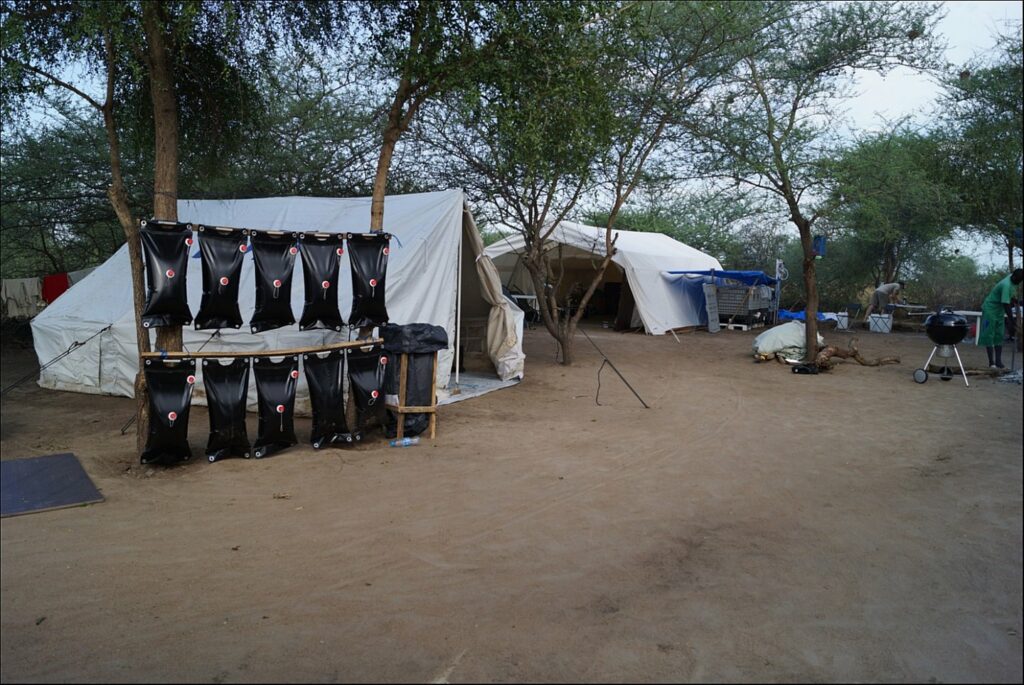
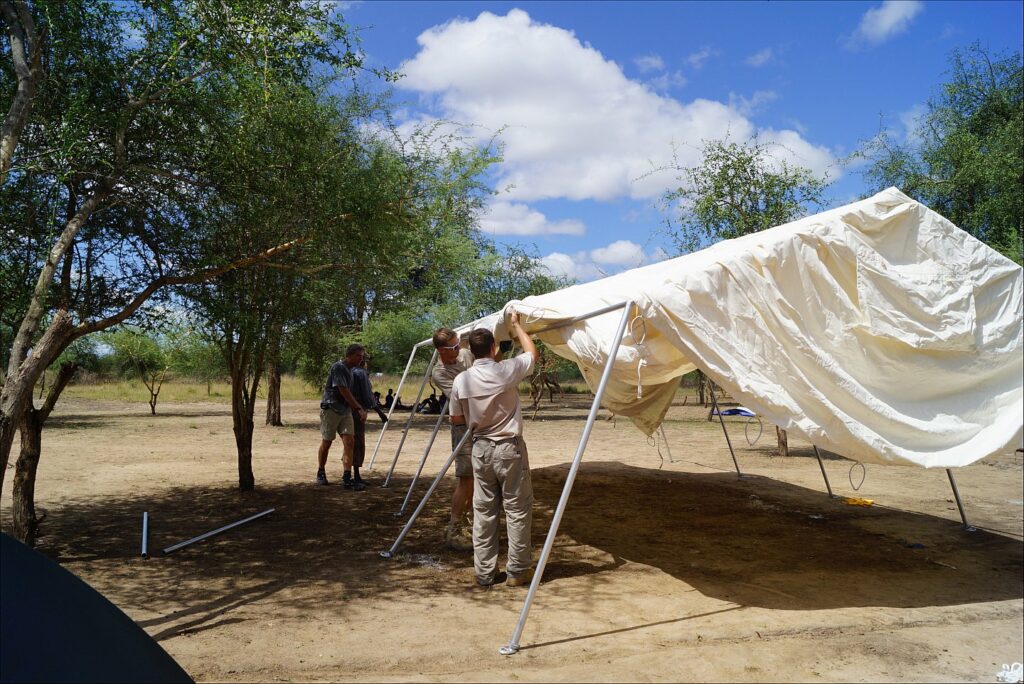
IHP established mobile base camps in remote areas of Upper Nile and Unity States in collaboration with the International Organization for Migration (IOM). These camps were designed to support approximately 25 humanitarian staff at each location. Their lightweight design allowed rapid assembly, dismantling, and relocation in response to changing security conditions. Equipped with essential office and accommodation facilities, the camps provided a safe and functional environment for responders delivering aid in hard-to-reach areas.
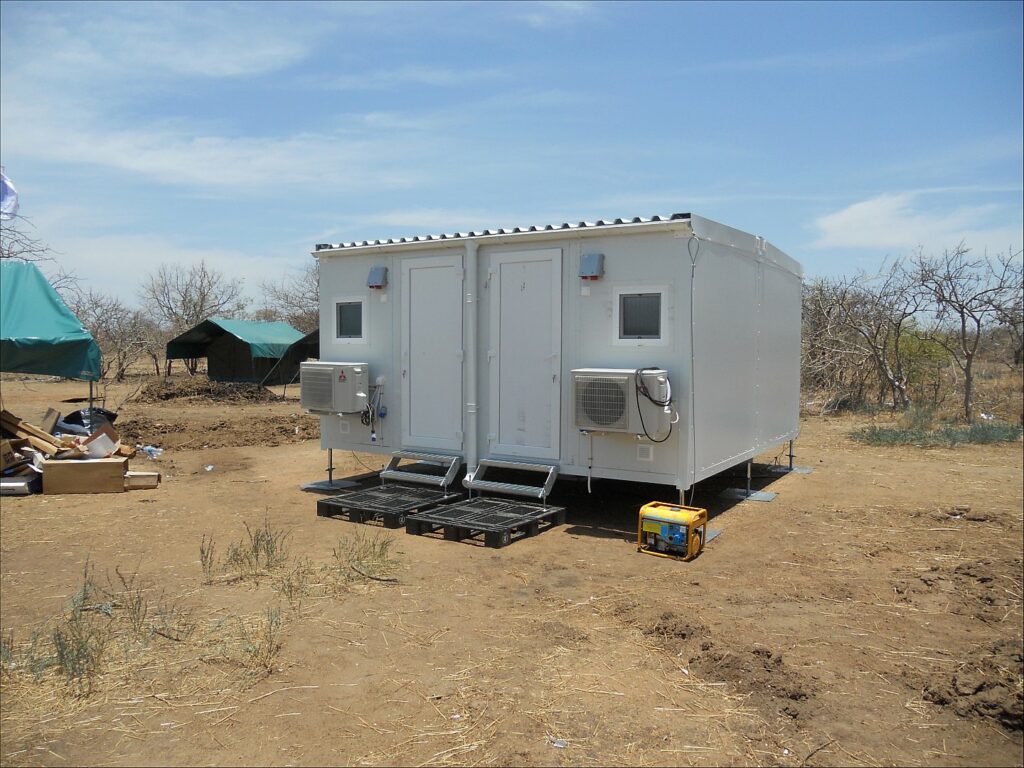
Prefabricated Offices
In support of the UN Office for the Coordination of Humanitarian Affairs (UNOCHA), IHP set up prefabricated office facilities in Bor, Bentiu, Malakal, and Rumbek. These structures enhanced existing compounds, accommodating an additional 18 staff members at each site.
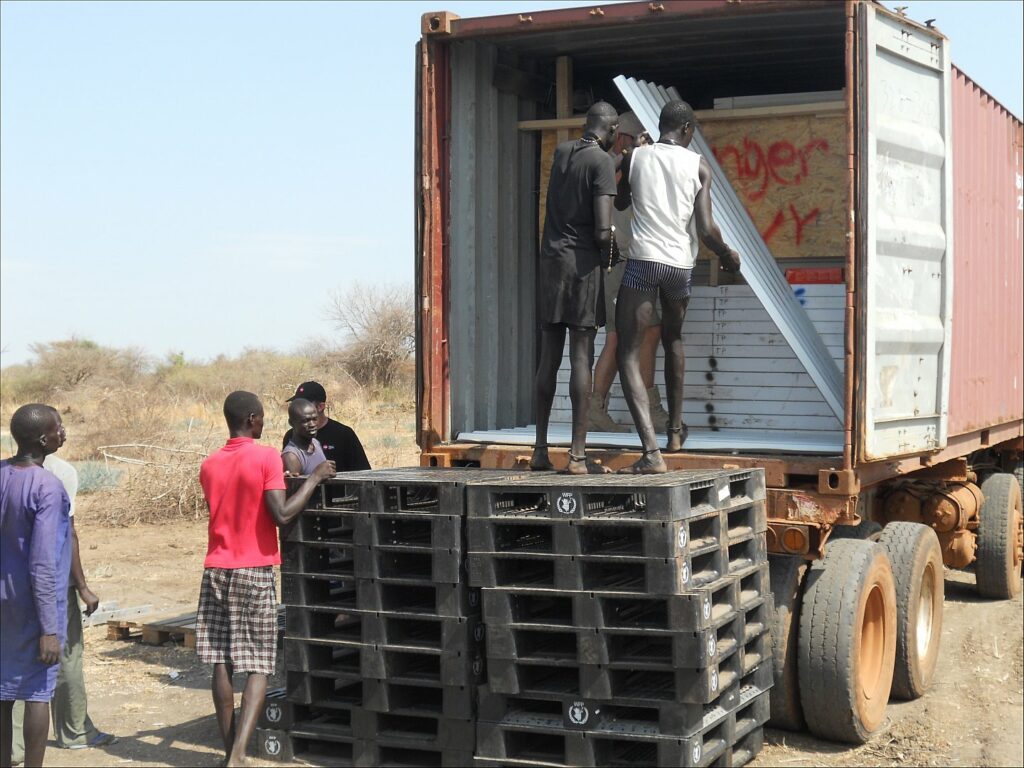
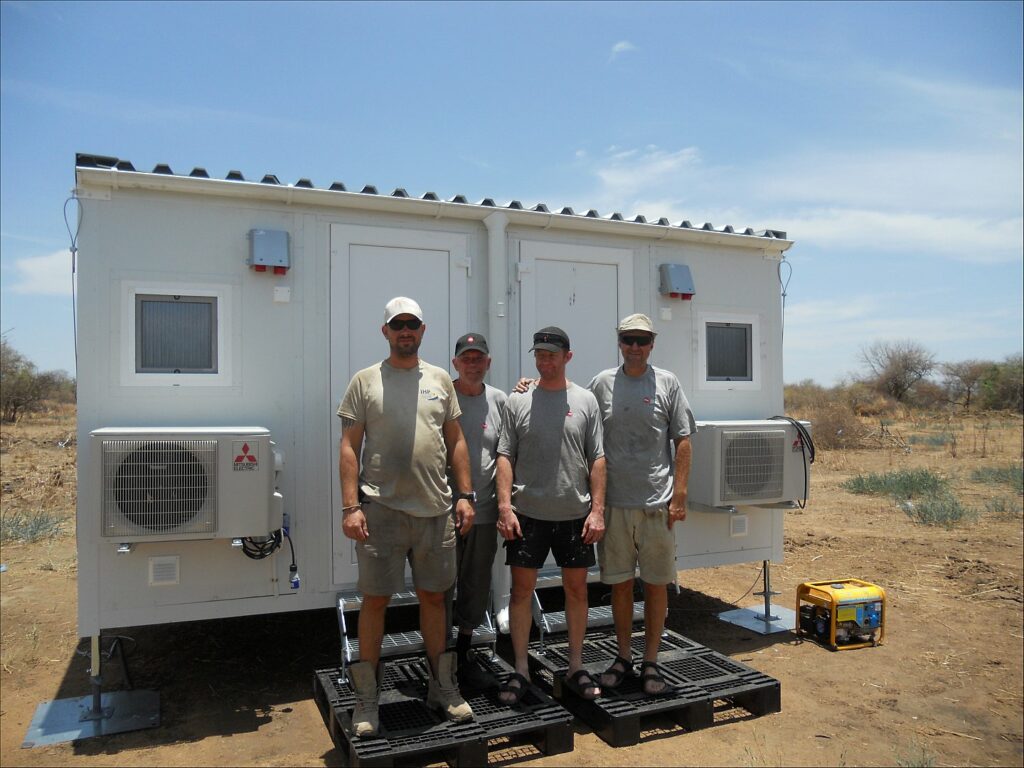
Despite challenges such as early rains rendering roads impassable and a tense security situation, the operation remained steadfast. As Andreas Nilsson, MSB Project Manager, stated: “Timing is critical! We need to reach the designated locations as soon as possible.”
Through collaboration with DEMA, MSB, Luxembourg, and the European Union, IHP’s swift and adaptive response provided a crucial lifeline, improving conditions for humanitarian teams and ensuring aid could reach South Sudan’s most vulnerable populations.