Home » Operations » Namibia Floods

Namibia Floods

Years :
Incidents :
Country :

Description of the mission

Participants :
Requester :

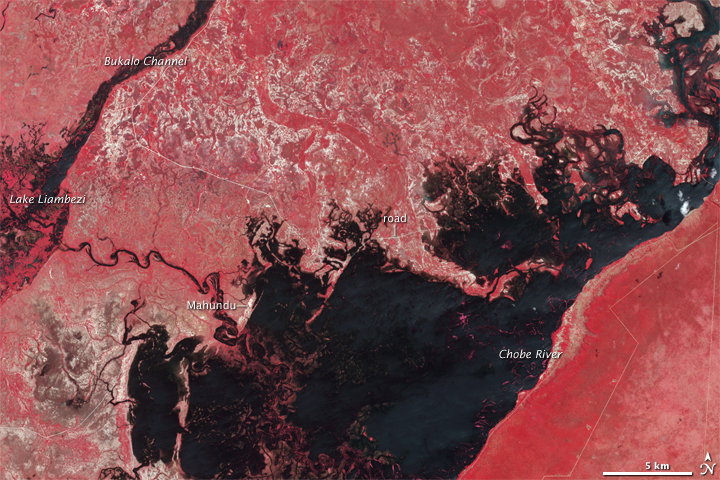
Cover Photo Credit: NASA image created by Jesse Allen, using data provided courtesy of NASA/GSFC/METI/ERSDAC/JAROS, and U.S./Japan ASTER Science Team.

Essential equipment supporting humanitarian success

Explore the critical equipment deployed during this humanitarian mission. From advanced medical supplies to innovative logistical solutions, each resource was meticulously selected to address urgent needs on the ground. These tools exemplify our commitment to delivering efficient, effective, and tailored support in the most challenging environments.

Other missions

Pakistan Floods

In response to the devastating 2010 Pakistan floods, IHP deployed ICT modules from Norway, Sweden, and Denmark to support UN OCHA’s coordination efforts. Additionally, a multi-nation team established a base camp for 70 aid workers, providing vital infrastructure for relief operations. This mission exemplified IHP’s collaborative spirit in crisis response.

Cox’s Bazar Hubs

In response to the 2017 Rohingya refugee crisis in Bangladesh, the International Humanitarian Partnership (IHP) established critical coordination hubs to support humanitarian operations for the hundreds of thousands of Rohingya refugees who fled violence in Myanmar.

TRIPLEX 2004

In September 2004, the TRIPLEX exercise took place in the Starum area of Norway, bringing together international humanitarian actors to simulate a large-scale disaster response. Organized by the International Humanitarian Partnership (IHP), the exercise focused on improving coordination, assessment, and logistical support in a realistic crisis scenario. Participants, including UN agencies, EU Civil Protection teams, and NGOs, tested their response mechanisms and practiced working together in challenging conditions. TRIPLEX 2004 emphasized collaboration, interoperability, and the deployment of IHP support services, such as base camps and communication facilities, providing a critical training opportunity for enhancing global humanitarian preparedness.