Home » Operations » Akobo Hub in South Sudan

Akobo Hub in South Sudan

Years :
Incidents :
Country :

Description of the mission

Participants :
Requester :

The International Humanitarian Partnership has successfully delivered critical support to Akobo, South Sudan, reinforcing the operational capacity of the humanitarian hub managed by Oxfam. This initiative, made possible through the combined efforts of Germany, Sweden, and the European Union (EU), addresses pressing accommodation needs for aid workers in one of South Sudan’s most challenging humanitarian contexts.

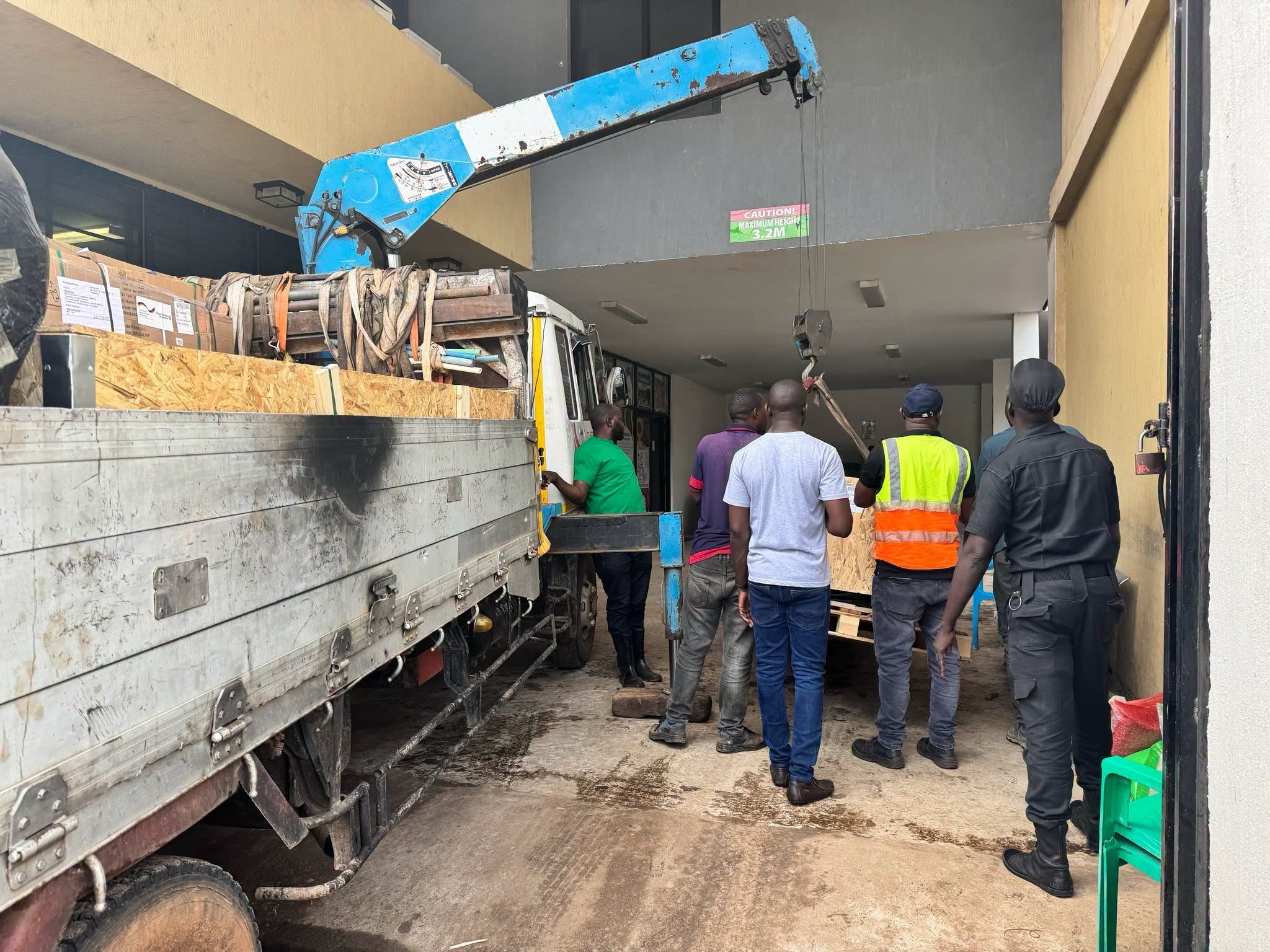
Germany contributed essential supplies, including family tents, field beds, and mosquito domes, ensuring improved living conditions for humanitarian personnel. Sweden complemented these efforts by providing two SG 300 Rub Hall tents, versatile structures designed to serve as operational hubs, storage facilities, or communal spaces. The European Union played a pivotal role by funding the transportation of all materials to South Sudan, ensuring timely delivery despite logistical challenges.

Coordination was central to the operation’s success. The International Organization for Migration (IOM), acting as a key partner within the IHP framework, facilitated the seamless distribution and setup of the supplies. By expanding the hub’s accommodation capacity, this intervention enables humanitarian organizations to maintain a stronger, more sustained presence in Akobo—a region frequently affected by displacement, conflict, and climate-related crises.

This collaborative effort underscores the power of multilateral humanitarian action, where shared resources, expertise, and logistical support translate into direct improvements for both aid workers and the communities they serve. As the humanitarian situation in South Sudan remains complex, initiatives like this demonstrate how strategic partnerships can enhance response effectiveness in even the most remote and high-need areas.
Essential equipment supporting humanitarian success

Explore the critical equipment deployed during this humanitarian mission. From advanced medical supplies to innovative logistical solutions, each resource was meticulously selected to address urgent needs on the ground. These tools exemplify our commitment to delivering efficient, effective, and tailored support in the most challenging environments.

Other missions

Hurricane Dean

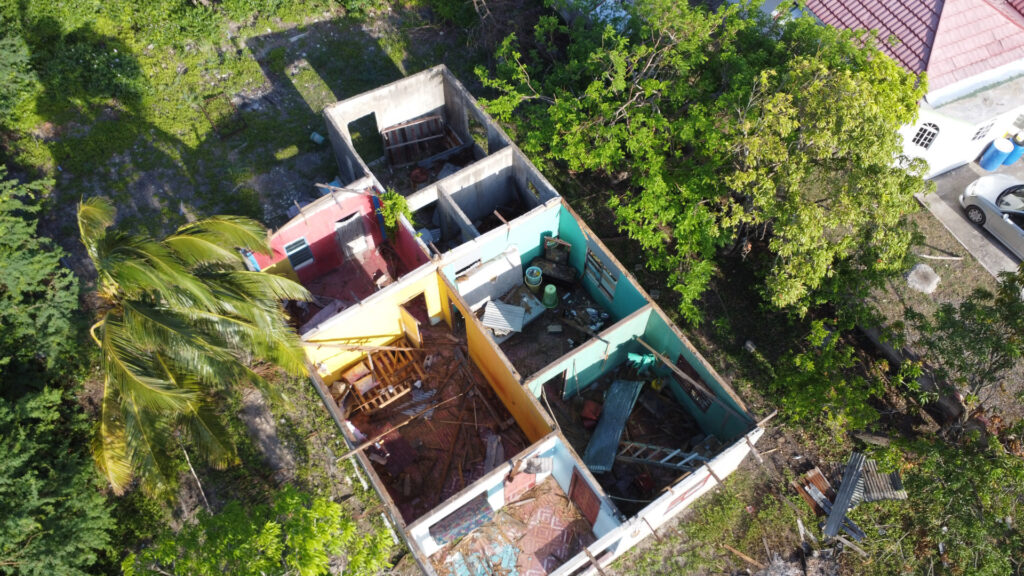
In response to Hurricane Dean's devastation in Jamaica in 2007, the International Humanitarian Partnership (IHP) deployed Sweden's ICT support module to assist the UNDAC team. This critical setup ensured robust communication and coordination in the aftermath of the disaster, enabling efficient humanitarian response and decision-making during a challenging recovery period.

TRIPLEX 2013

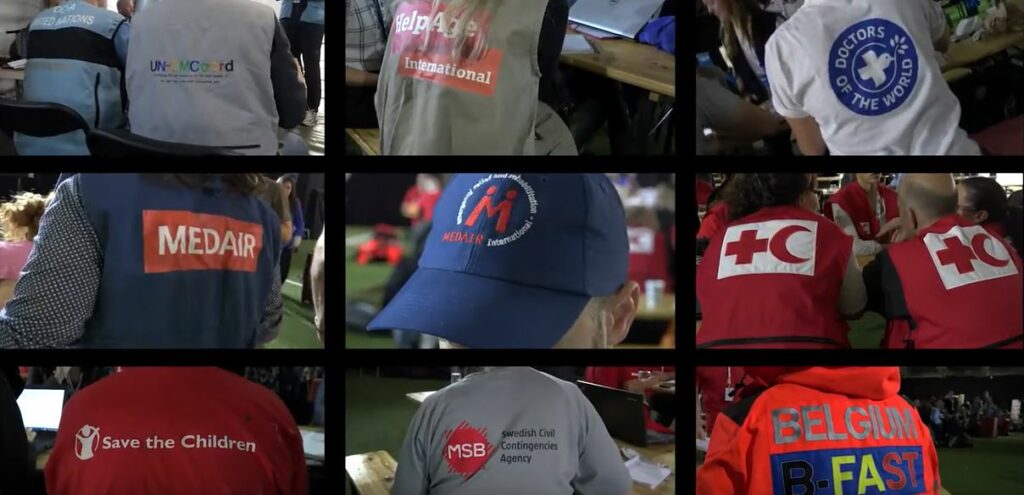
TRIPLEX 2013, hosted on the Danish-German border, was one of the world’s largest civilian-led humanitarian coordination exercises. Organized by the International Humanitarian Partnership (IHP) and co-financed by the European Commission Civil Protection Mechanism, it brought together over 200 participants from 35 organizations. The scenario involved a cyclone striking two fictional countries, Nordland and Sydland, affecting nearly one million people. Participants practiced evacuation, shelter provision, and infrastructure repair, with coordination led by the On-Site Operations Coordination Centre (OSOCC).

Uganda Preparedness

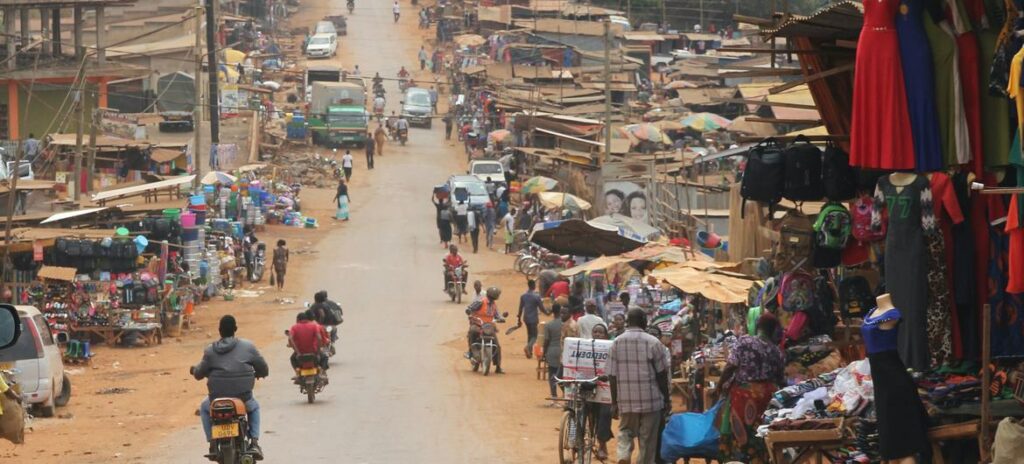
IHP provided ICT support to UNDAC during Uganda's emergency preparedness efforts. The deployment included satellite phones, laptops, and internet connectivity to ensure seamless communication and coordination in disaster response scenarios. This critical support helped enhance Uganda's readiness to handle emergencies, enabling efficient assessments and real-time collaboration with international humanitarian teams.