Home » Operations » Libyan Refugee Crisis

Libyan Refugee Crisis

Years :
Incidents :
Country :

Description of the mission

Participants :
Requester :

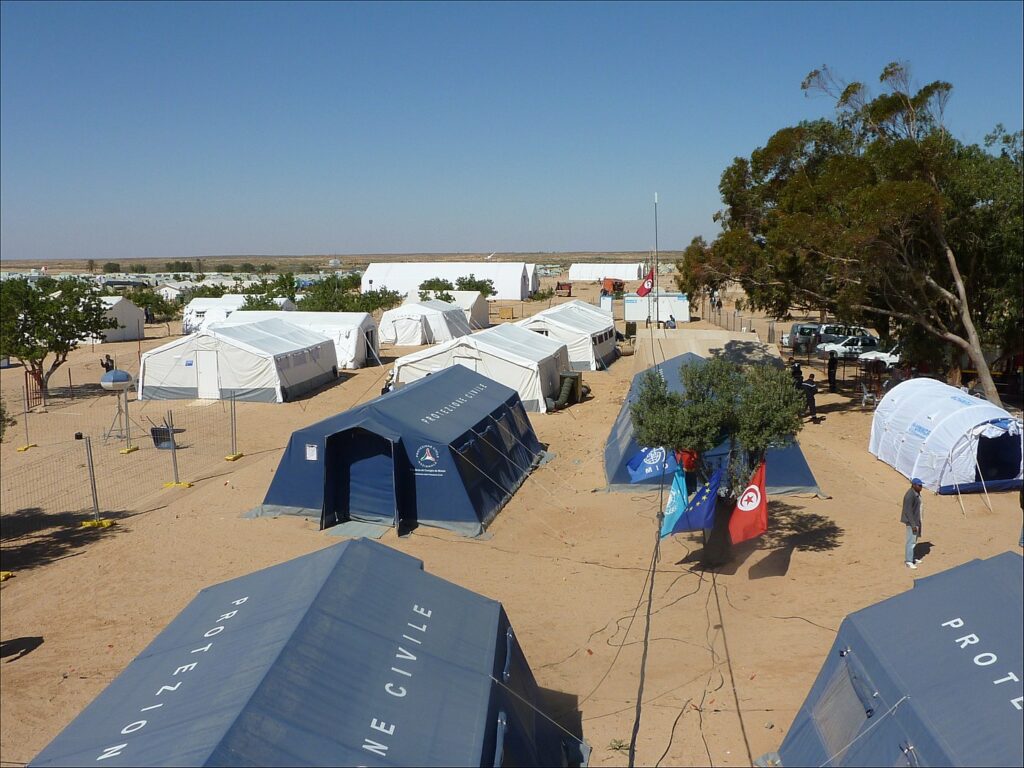
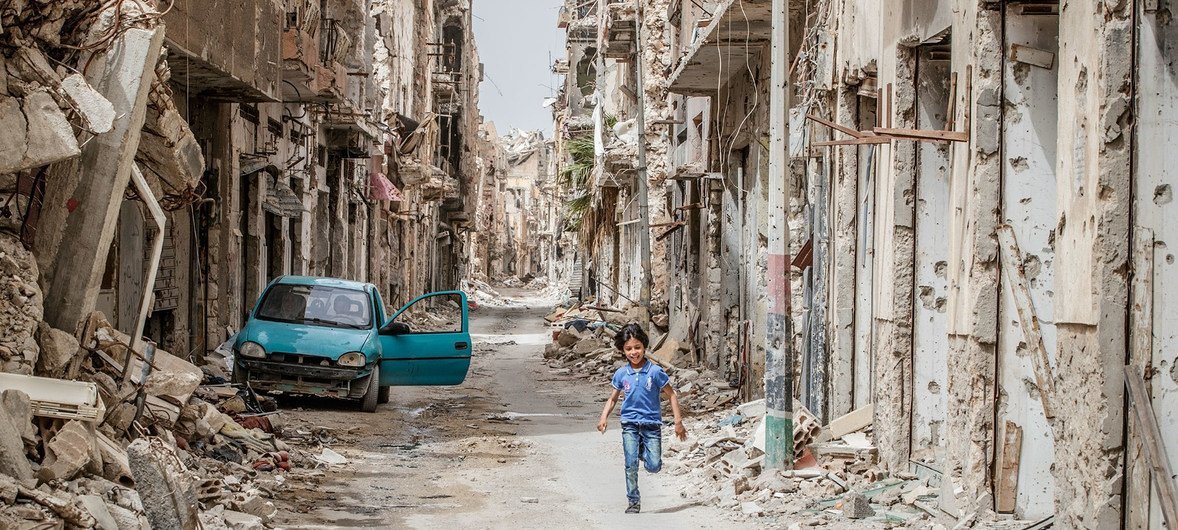
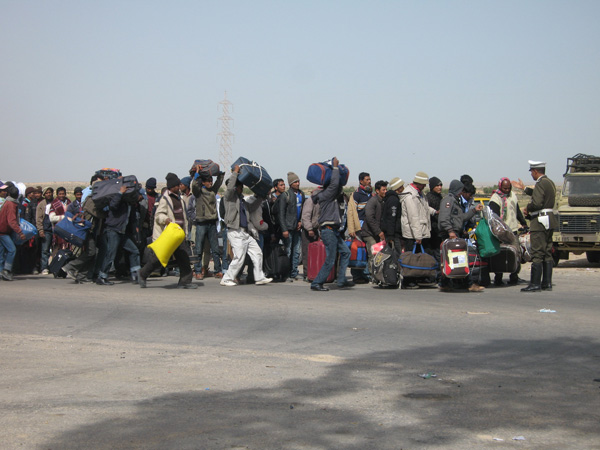
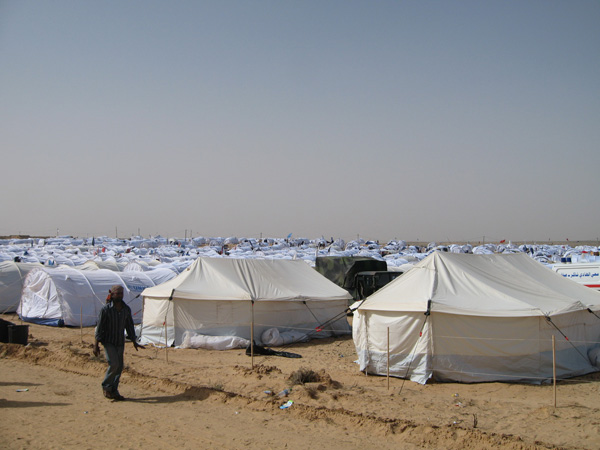
In 2011, the Libya War unleashed a humanitarian crisis as thousands fled the conflict, seeking refuge in neighboring countries like Tunisia. As refugee camps rapidly grew along the Tunisian border, the need for coordination and infrastructure to manage the influx of displaced people became urgent. The United Nations, including UNHCR and UN OCHA, mobilized to provide relief and ensure the safety of those escaping the conflict.
IHP’s Role: Supporting UNDAC and UNHCR in Tunisia

In response to the escalating crisis, the International Humanitarian Partnership (IHP) deployed a team to support UNDAC (United Nations Disaster Assessment and Coordination) and UNHCR in their operations in Tunisia. IHP’s contribution focused on two key areas:

Telecommunications and IT Support

A two-person team from Norway’s DSB (Directorate for Civil Protection and Emergency Planning) was sent to assist UNDAC with establishing reliable telecommunications and IT facilities. These resources were essential for enabling coordination between agencies and ensuring efficient information sharing across the growing refugee camp.

Jan Olsson, a member of the IHP team and UNDAC support staff, described the scene:
“The OSOCC (On-Site Operations and Coordination Centre) was buzzing with activity, coordinating humanitarian efforts for the thousands of refugees who arrived daily. The ICT setup allowed agencies to work efficiently under immense pressure.”

Base Camp for Humanitarian Workers

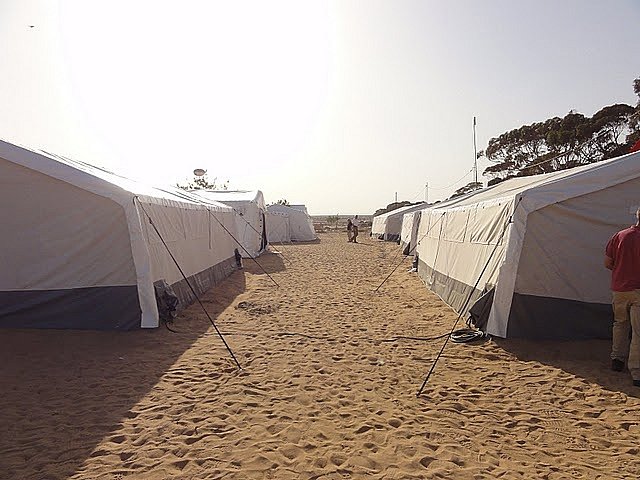
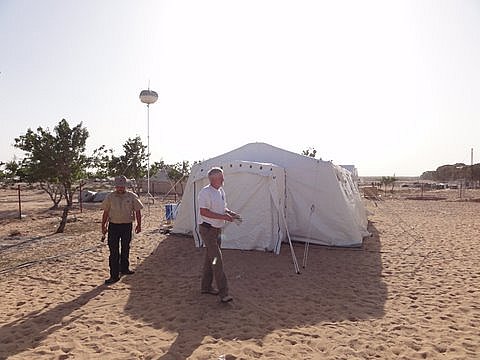
IHP also supported the establishment of a base camp to house UNHCR and UNDAC staff working on the ground. The camp provided office spaces, accommodation, and essential facilities for aid workers, enabling them to focus on their critical missions.
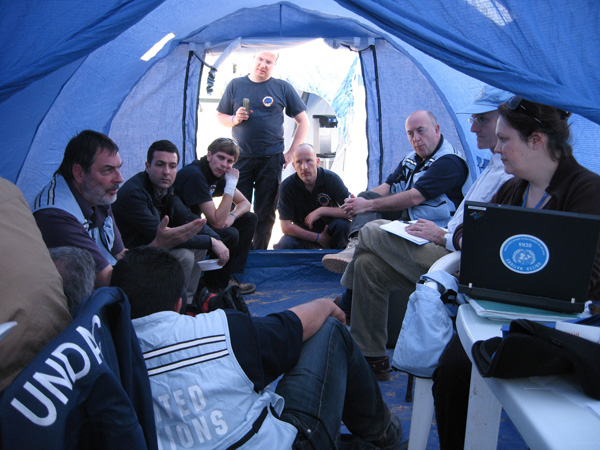
Cover Photo Credit: UNICEF/Giovanni Diffidenti
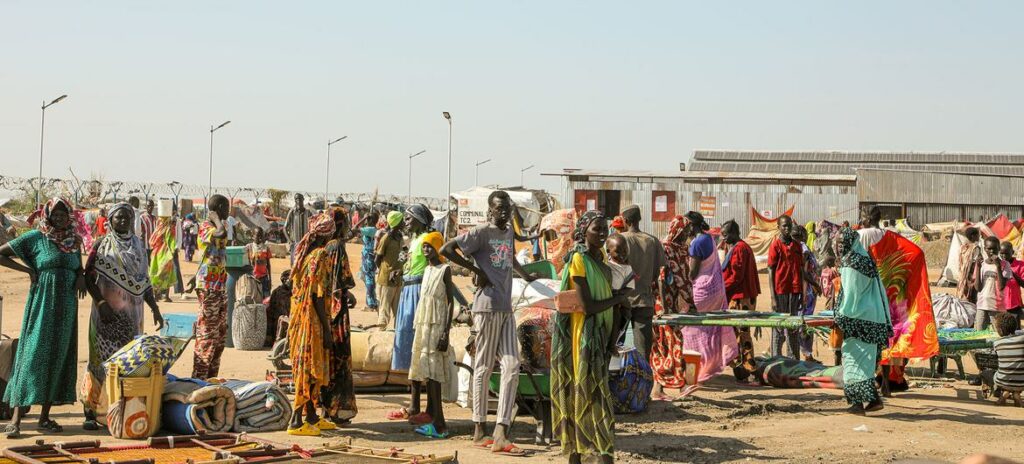
Essential equipment supporting humanitarian success

Explore the critical equipment deployed during this humanitarian mission. From advanced medical supplies to innovative logistical solutions, each resource was meticulously selected to address urgent needs on the ground. These tools exemplify our commitment to delivering efficient, effective, and tailored support in the most challenging environments.

Other missions

Hurricane Noel

In response to Hurricane Noel's impact on Haiti in 2007, the International Humanitarian Partnership (IHP) deployed Sweden's ICT support module to assist the UNDAC team. This support ensured efficient communication and coordination, bolstering the effectiveness of the humanitarian response.

Ghana Floods

In response to the Ghana floods in September 2007, IHP offered vital ICT support to the UNDAC team. The deployment included satellite phones, laptops, and internet access, ensuring smooth communication and coordination during the crisis. This support facilitated quick assessments, effective relief coordination, and the timely distribution of aid to those affected by the floods.

TRIPLEX 1998

In June 1998, TRIPLEX took place in Camberley and at Manston Airfield in the UK, building on the success of the inaugural exercise. Organized by the International Humanitarian Partnership (IHP), this large-scale simulation brought together humanitarian organizations, UN agencies, and EU Civil Protection teams to practice disaster response in a realistic and controlled environment. The exercise focused on improving coordination, assessments, and logistical support, with participants addressing challenges such as rapid deployment and operational interoperability. TRIPLEX 1998 highlighted the importance of collaboration and preparedness, reinforcing the capacity of humanitarian actors to respond effectively to complex emergencies.