Home » Operations » Marshall Islands Drought

Marshall Islands Drought

Years :
Incidents :
Country :

Description of the mission

Participants :
Requester :

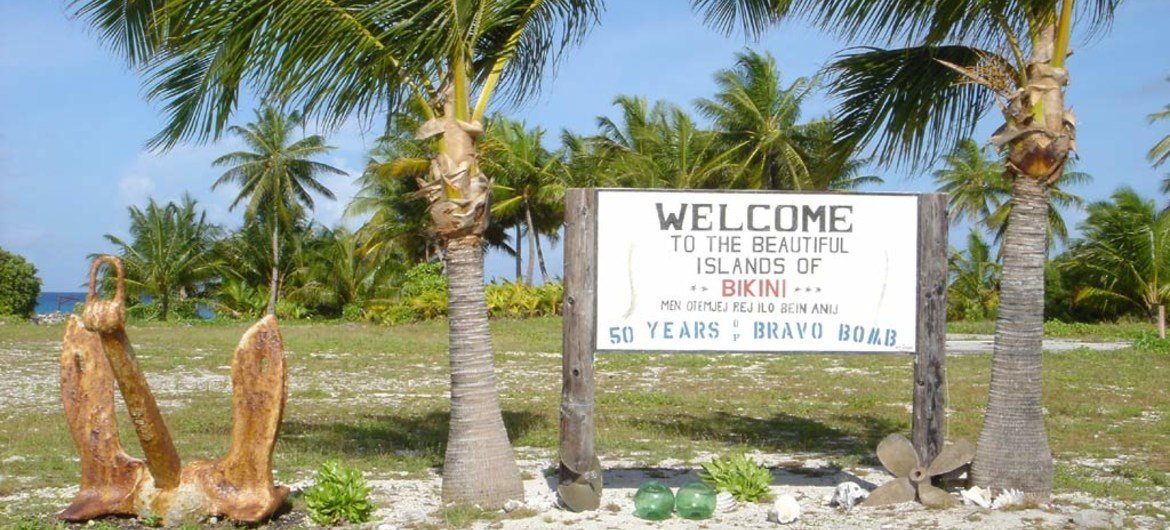
In 2013, the Marshall Islands experienced a severe drought that led to an urgent humanitarian crisis. Beginning in May of that year, the government declared a state of disaster due to water shortages and the damaging effects of prolonged dry conditions. By early June, the drought was extended for an additional 30 days, affecting communities, particularly in the northern islands. The crisis resulted in a lack of access to clean water, with most of the nation’s water supplies being reliant on rainwater harvesting. Agricultural production also suffered, exacerbating food insecurity for the island’s residents.

The United Nations Office for Coordination of Humanitarian Affairs (OCHA) was called upon to assess the situation and coordinate a response. Given the urgency of the situation, the International Humanitarian Partnership (IHP) was requested to provide logistical and technical support to facilitate OCHA’s efforts. In this case, Sweden, as part of the IHP, provided essential Information and Communications Technology (ICT) support to enhance the response.

To ensure an effective assessment and coordinated relief operations, Sweden deployed ICT specialists to the Marshall Islands. These experts were tasked with setting up the necessary communication infrastructure to support OCHA’s assessment and coordination of humanitarian aid. The deployment included providing mobile communication equipment, satellite connections, and other ICT tools necessary for smooth operations in the affected areas.

Cover Photo Credit: UNESCO/Ron Van Oers
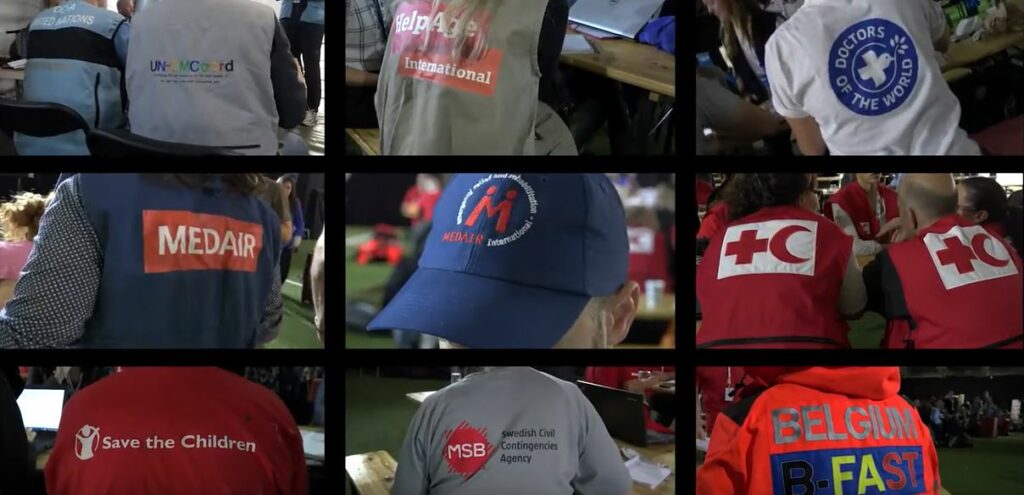
Essential equipment supporting humanitarian success

Explore the critical equipment deployed during this humanitarian mission. From advanced medical supplies to innovative logistical solutions, each resource was meticulously selected to address urgent needs on the ground. These tools exemplify our commitment to delivering efficient, effective, and tailored support in the most challenging environments.

Other missions

Sumatra Earthquake

In response to the devastating 2009 Sumatra earthquake, IHP supported UNDAC and OCHA by deploying ICT modules to restore communication networks and a base camp to house relief workers. The ICT setup, including satellite phones and internet access, enabled efficient coordination, while the base camp provided essential facilities for responders.

TRIPLEX 2004

In September 2004, the TRIPLEX exercise took place in the Starum area of Norway, bringing together international humanitarian actors to simulate a large-scale disaster response. Organized by the International Humanitarian Partnership (IHP), the exercise focused on improving coordination, assessment, and logistical support in a realistic crisis scenario. Participants, including UN agencies, EU Civil Protection teams, and NGOs, tested their response mechanisms and practiced working together in challenging conditions. TRIPLEX 2004 emphasized collaboration, interoperability, and the deployment of IHP support services, such as base camps and communication facilities, providing a critical training opportunity for enhancing global humanitarian preparedness.

Laos Emergency Preparedness

In 2007, the International Humanitarian Partnership (IHP) supported the United Nations Disaster Assessment and Coordination (UNDAC) team during an emergency preparedness mission in Laos. IHP provided logistics and operational assistance, including technical expertise and essential equipment, to enhance the mission's effectiveness.