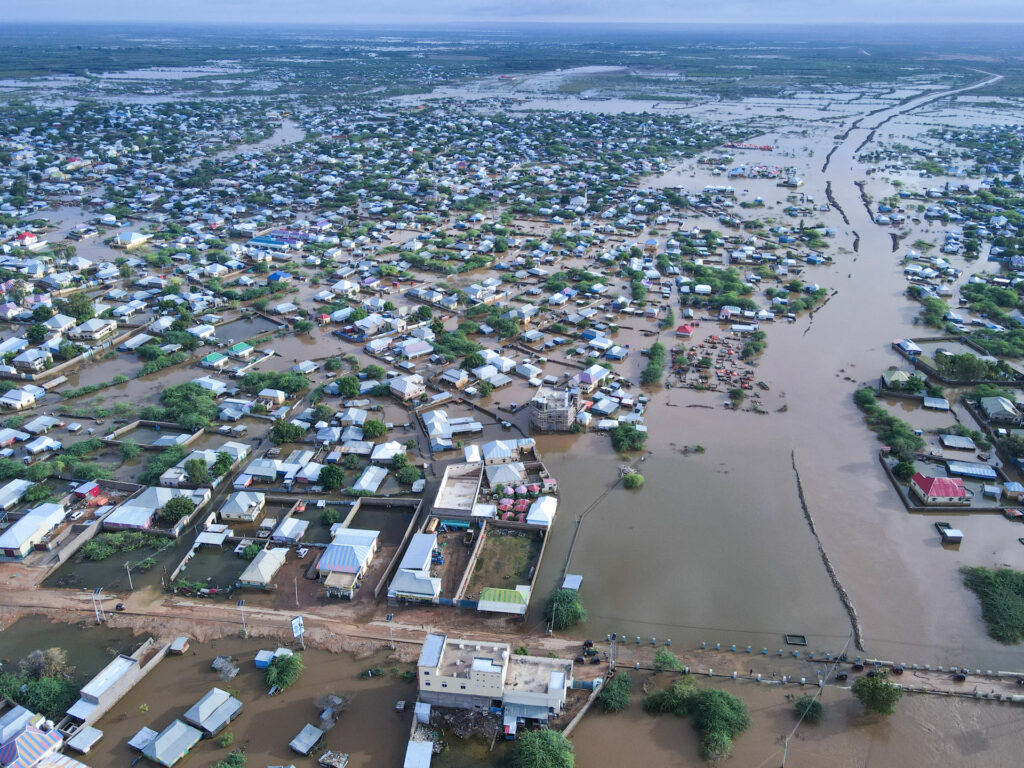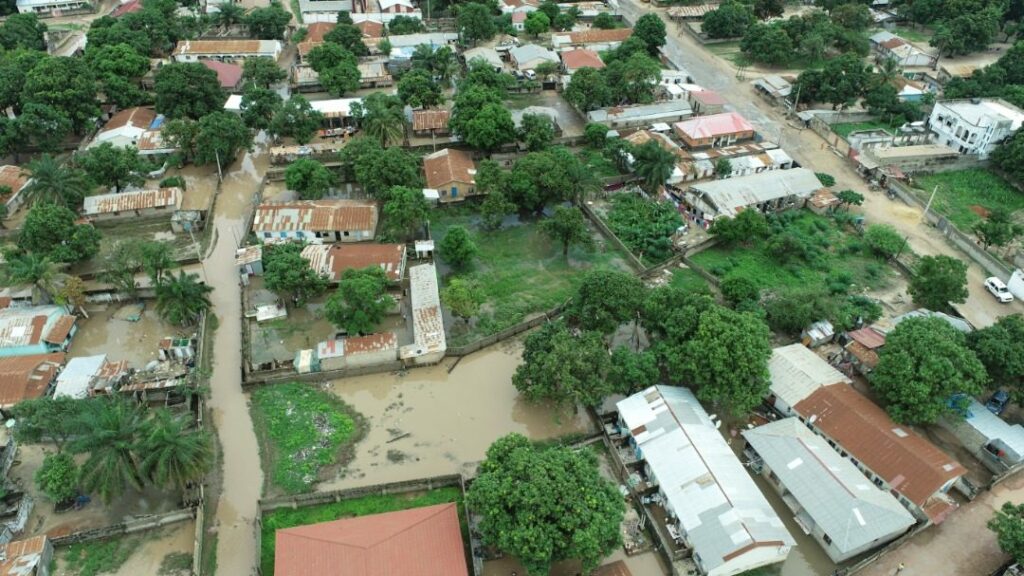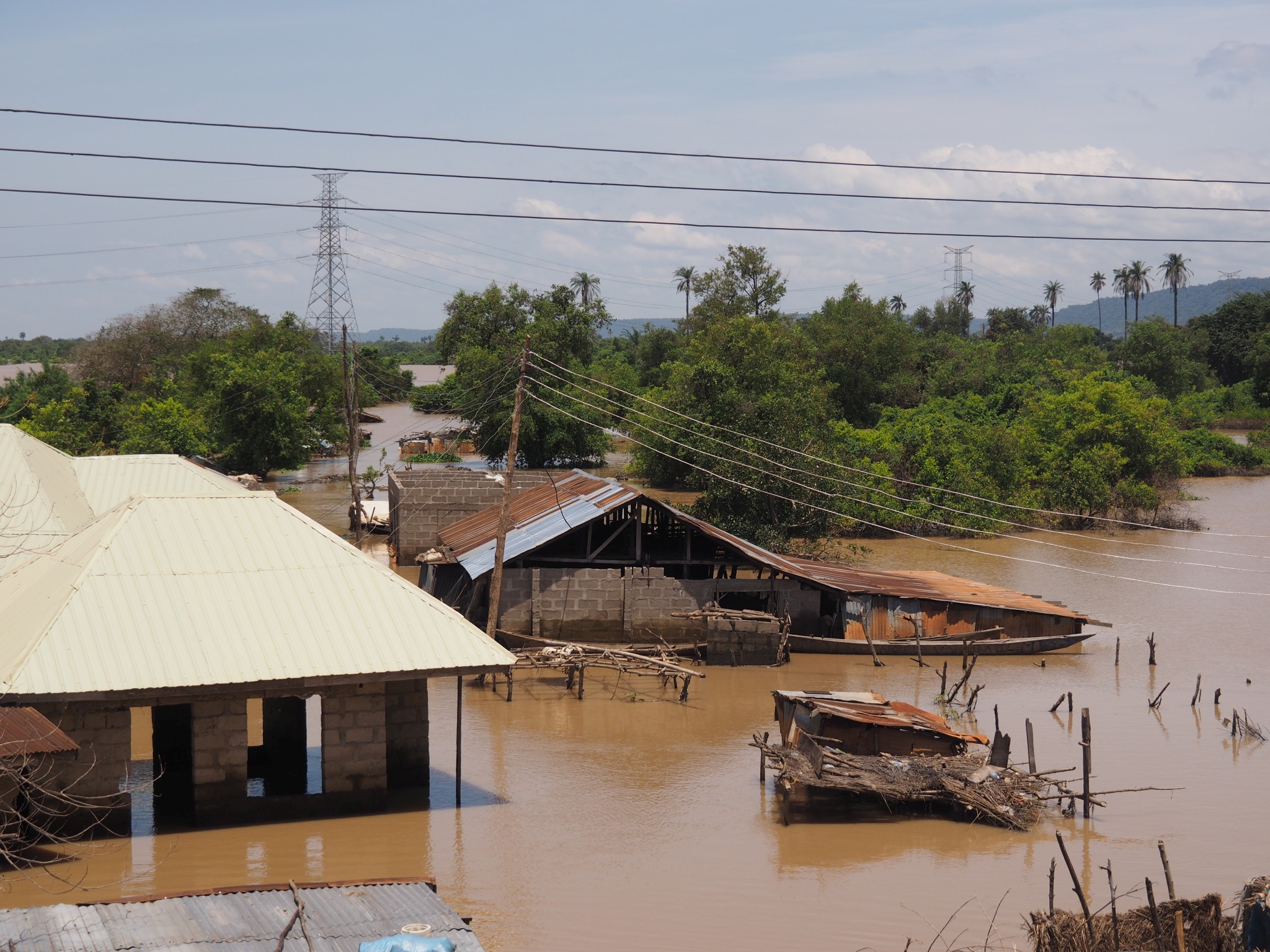
In late 2018, Nigeria faced severe flooding that impacted over 1.9 million people across twelve states, with four of these states declaring national disaster status. The floods resulted in widespread displacement, property destruction, and urgent needs for food, shelter, and clean water. In response to this crisis, the International Humanitarian Partnership (IHP) mobilized a team of experts to support the United Nations Disaster Assessment and Coordination (UNDAC) team, working in collaboration with Nigeria’s National Emergency Management Agency (NEMA).
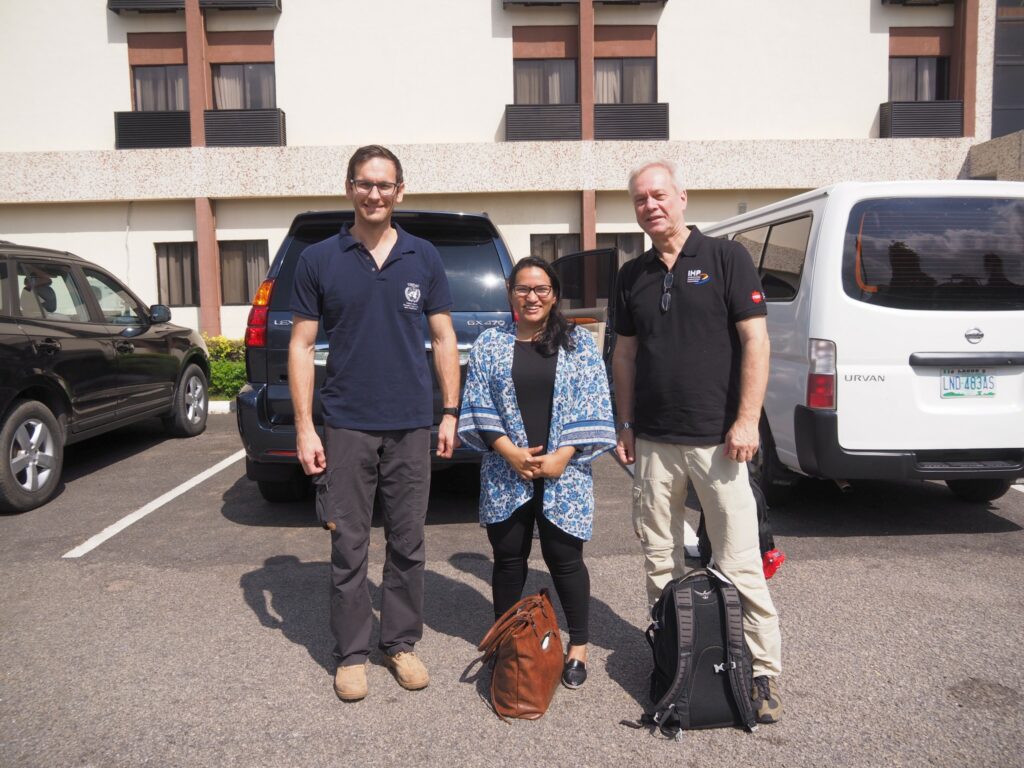
IHP’s deployment included three ICT specialists from the Swedish Civil Contingencies Agency (MSB) and the Estonian Rescue Board (ERB), as well as an environmental expert. The team played a crucial role in establishing reliable communication systems, supporting coordination centers, and advising on environmental hazards due to the floods. These specialists provided technical assistance in challenging conditions, as power outages and equipment limitations hampered local operations.
The UNDAC team, working alongside organizations like MapAction, Atlas Logistique, REACH/IMPACT, and ECHO, divided into sub-teams to cover different affected regions. For example, Team B, stationed in Kogi and Edo states, faced logistical obstacles, including fuel shortages for generators, making it difficult to maintain a stable communication network. Despite these challenges, the team contributed to efforts that supported NEMA in resource allocation, response planning, and local capacity-building. This collaboration aimed to alleviate the conditions for nearly 800,000 affected individuals in hard-hit areas, despite limited transportation resources and ongoing power shortages.