Home » Operations » TRIPLEX 2000

TRIPLEX 2000

Years :
Incidents :
Country :

Description of the mission

Participants :
Requester :

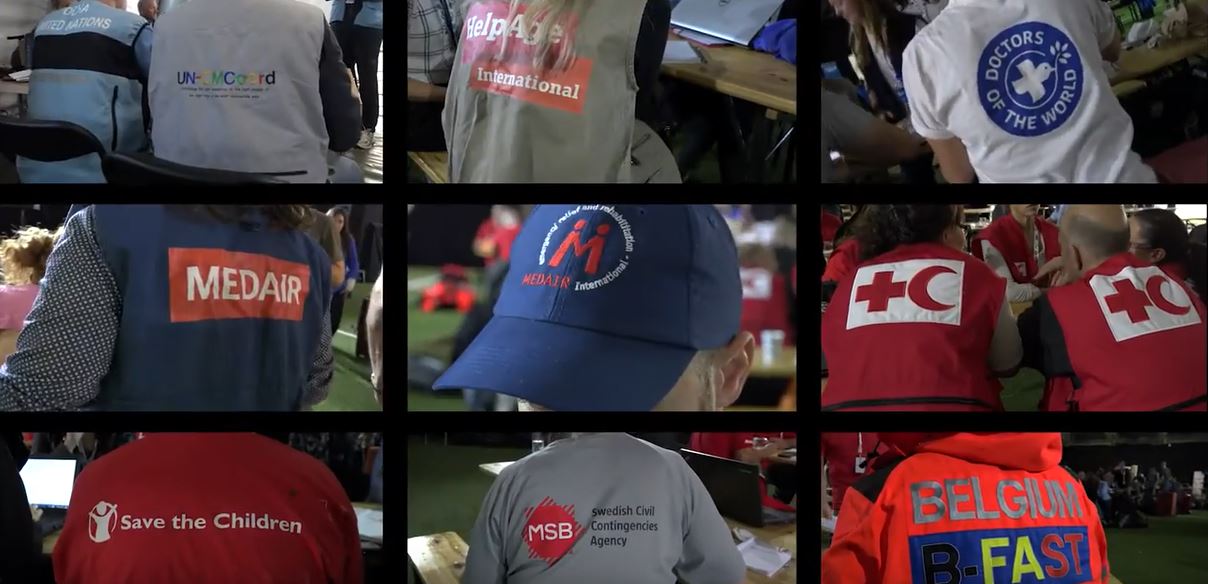
The TRIPLEX exercise, organized by the International Humanitarian Partnership (IHP), is a large-scale field simulation designed to enhance preparedness and response in the coordination and execution of emergency humanitarian operations. The exercise provides a civilian-managed training platform targeting key actors in humanitarian response, with a particular focus on fostering coordination and cooperation among participants.

Key objectives of TRIPLEX include:

  • Training humanitarian actors in response coordination and collaboration.
  • Strengthening internal cooperation and compatibility among IHP members.
  • Enhancing the ability of IHP to provide coordinated support to humanitarian organizations.

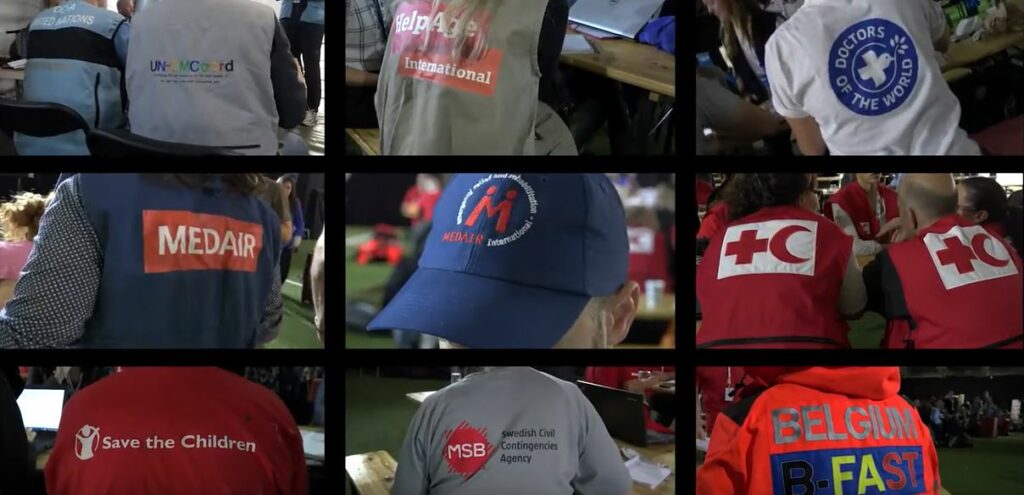
TRIPLEX stands out as one of the few civilian-led multilateral field emergency simulations, offering a unique opportunity for participants to engage in realistic and challenging scenarios. In addition to IHP member organizations, the exercise regularly involves major humanitarian actors, including UN agencies (OCHA, WFP, UNICEF, UNHCR, IOM, WHO), the International Federation of Red Cross and Red Crescent Societies (IFRC), the Organisation for the Prohibition of Chemical Weapons (OPCW), the European Union’s Directorate-General for European Civil Protection and Humanitarian Aid Operations (ECHO), non-governmental organizations, and military Civil-Military Cooperation (CIMIC) units.

By simulating real-world conditions, TRIPLEX enables participants to test and refine their operational readiness, improve interoperability, and build stronger partnerships across the humanitarian sector.
Essential equipment supporting humanitarian success

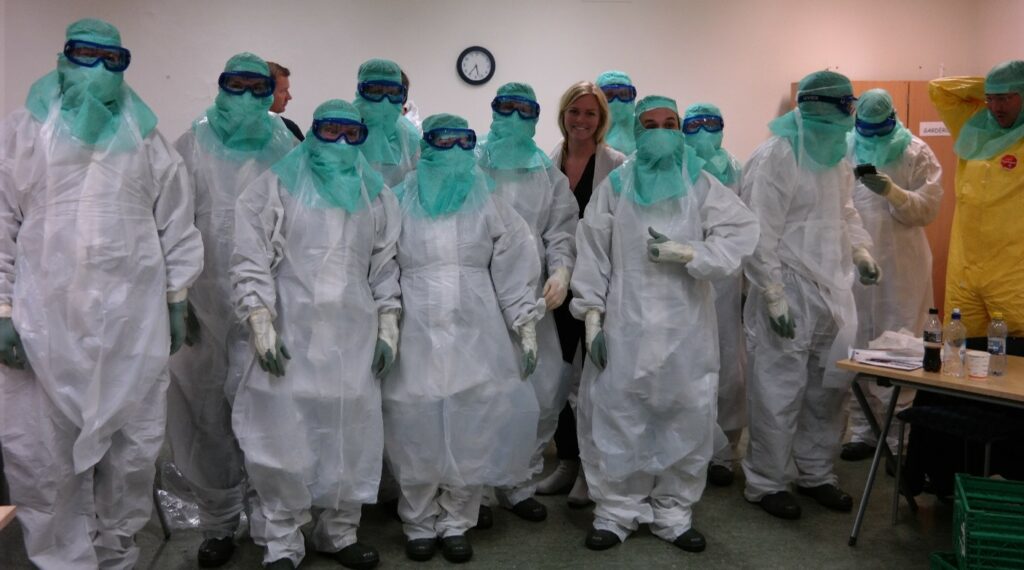
Explore the critical equipment deployed during this humanitarian mission. From advanced medical supplies to innovative logistical solutions, each resource was meticulously selected to address urgent needs on the ground. These tools exemplify our commitment to delivering efficient, effective, and tailored support in the most challenging environments.

Other missions

TRIPLEX 2006

In September 2006, the TRIPLEX exercise was held in Finland's Satakunta region, centered around the cities of Pori and Kankaanpää. Organized by the International Humanitarian Partnership (IHP), the simulation featured a large-scale natural disaster scenario, bringing together humanitarian actors, UN agencies, and EU Civil Protection teams. Participants engaged in critical tasks such as disaster assessments, coordination, and logistics support, while testing IHP's deployment capacities, including base camp services and communication systems. TRIPLEX 2006 provided a realistic and challenging training environment, fostering collaboration and enhancing the preparedness of international humanitarian teams for future emergencies.

TRIPLEX 2002

In October 2002, the TRIPLEX exercise was held on the Danish island of Bornholm, bringing together international humanitarian actors for a large-scale disaster simulation. Organized by the International Humanitarian Partnership (IHP), the exercise provided a realistic training environment for over 200 participants, including UN agencies, EU Civil Protection teams, and NGOs. The scenario tested disaster assessments, coordination, and logistical support, with a focus on enhancing collaboration and interoperability among organizations. TRIPLEX 2002 showcased IHP’s ability to deploy support services such as base camps and communication systems, strengthening preparedness and coordination for future humanitarian emergencies.

TRIPLEX 2013

TRIPLEX 2013, hosted on the Danish-German border, was one of the world’s largest civilian-led humanitarian coordination exercises. Organized by the International Humanitarian Partnership (IHP) and co-financed by the European Commission Civil Protection Mechanism, it brought together over 200 participants from 35 organizations. The scenario involved a cyclone striking two fictional countries, Nordland and Sydland, affecting nearly one million people. Participants practiced evacuation, shelter provision, and infrastructure repair, with coordination led by the On-Site Operations Coordination Centre (OSOCC).