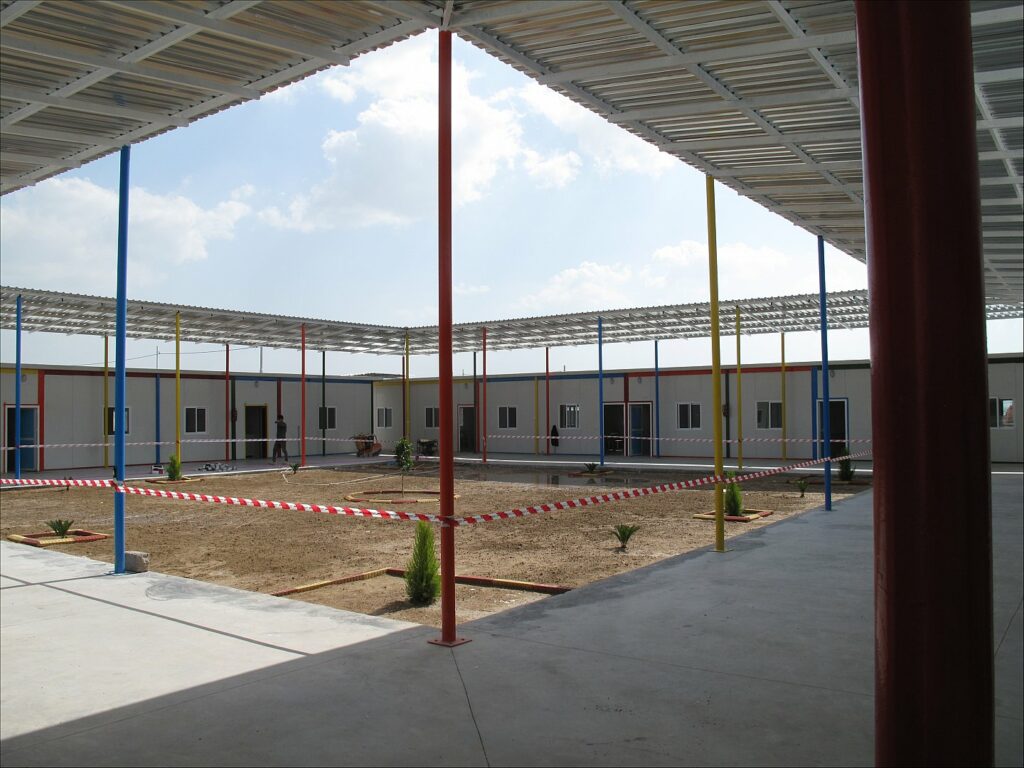
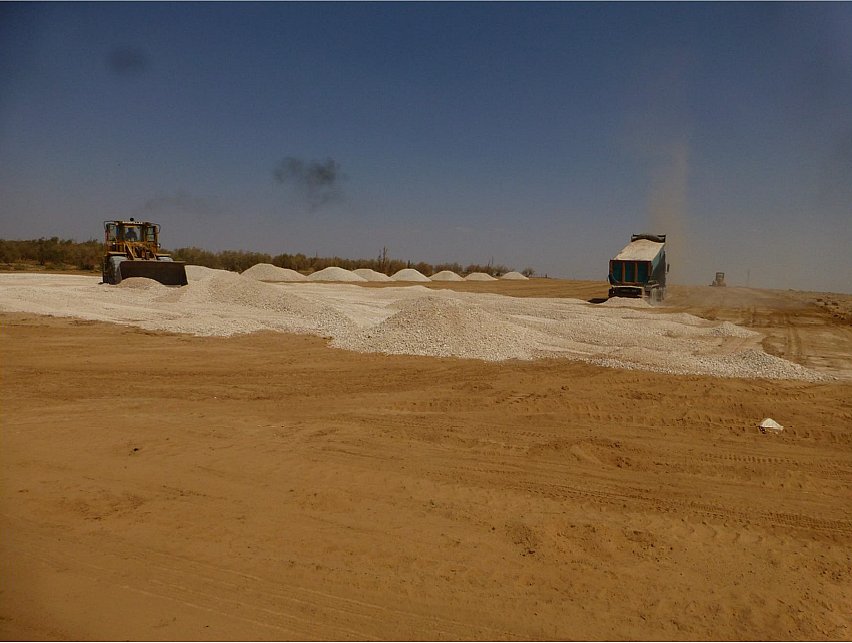
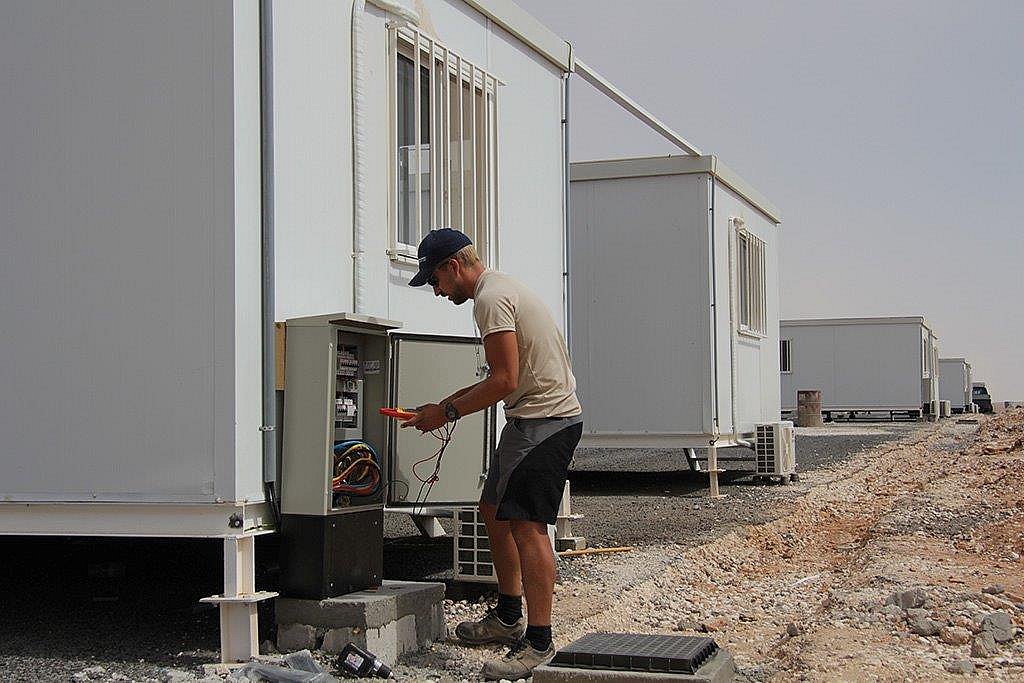
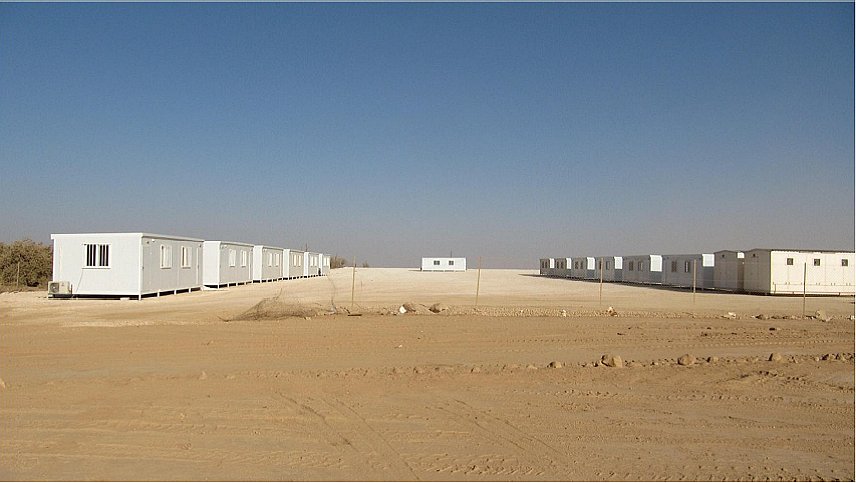
The war in Iraq during 2014–2015, driven by the rise of ISIS, caused massive destruction and a severe humanitarian crisis. As the extremist group seized large territories, millions of Iraqis were displaced, fleeing violence in search of safety. By mid-2014, over 3 million people were internally displaced, many living in dire conditions with limited access to shelter, clean water, and basic services.

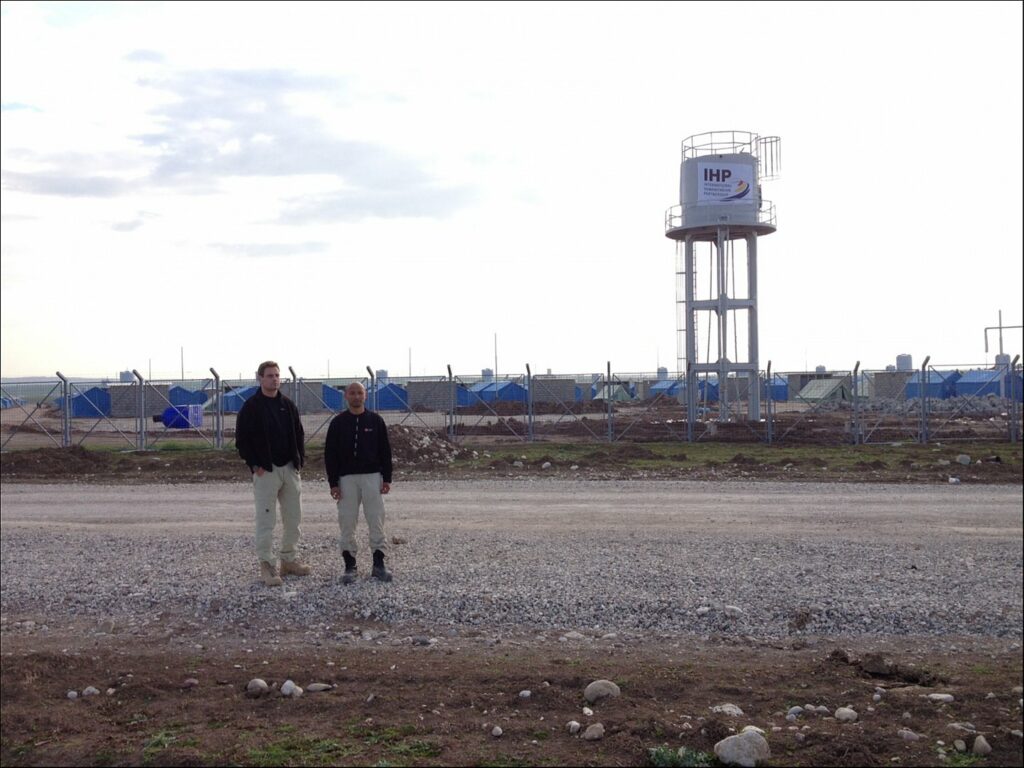
The situation was declared a Level 3 emergency by the Inter-Agency Standing Committee (IASC), reflecting the urgency and complexity of the crisis. In response, the International Humanitarian Partnership (IHP) was called upon by the United Nations High Commissioner for Refugees (UNHCR) to assist in establishing camps to house internally displaced persons (IDPs). One of the camps was constructed in Sheikhan, in northern Iraq.

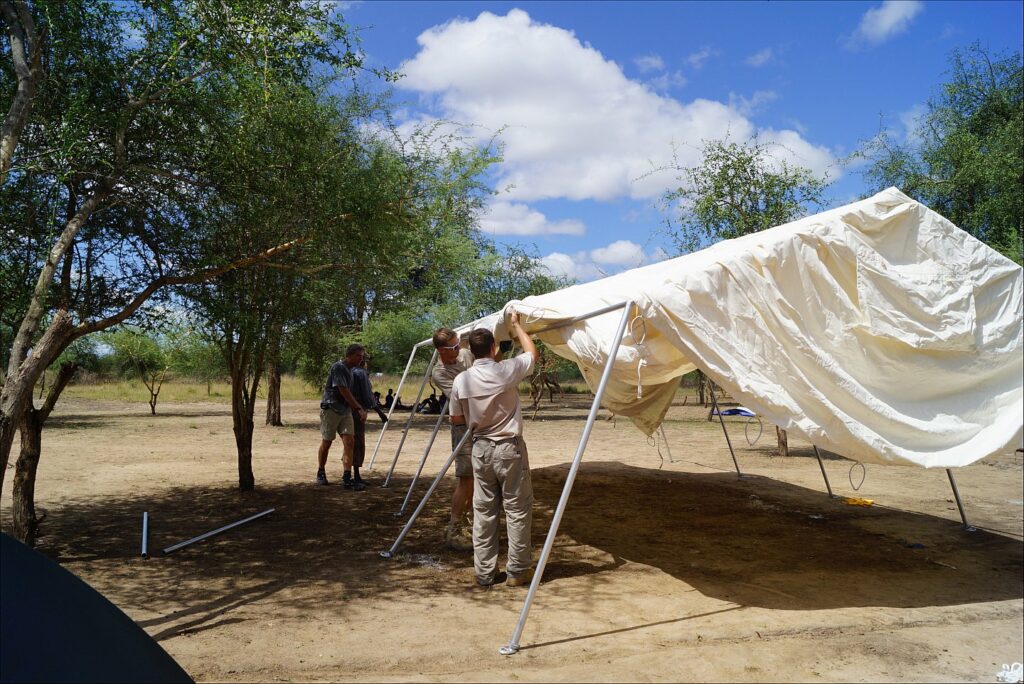
Within 72 hours of UNHCR’s request, an IHP assessment team was deployed to the region. Working closely with UNHCR and local stakeholders, the team assessed camp sites and prepared for the arrival of essential equipment. On August 21, 2014, the first IHP aircraft landed in Erbil, carrying 170 emergency shelters and blankets to support displaced families.

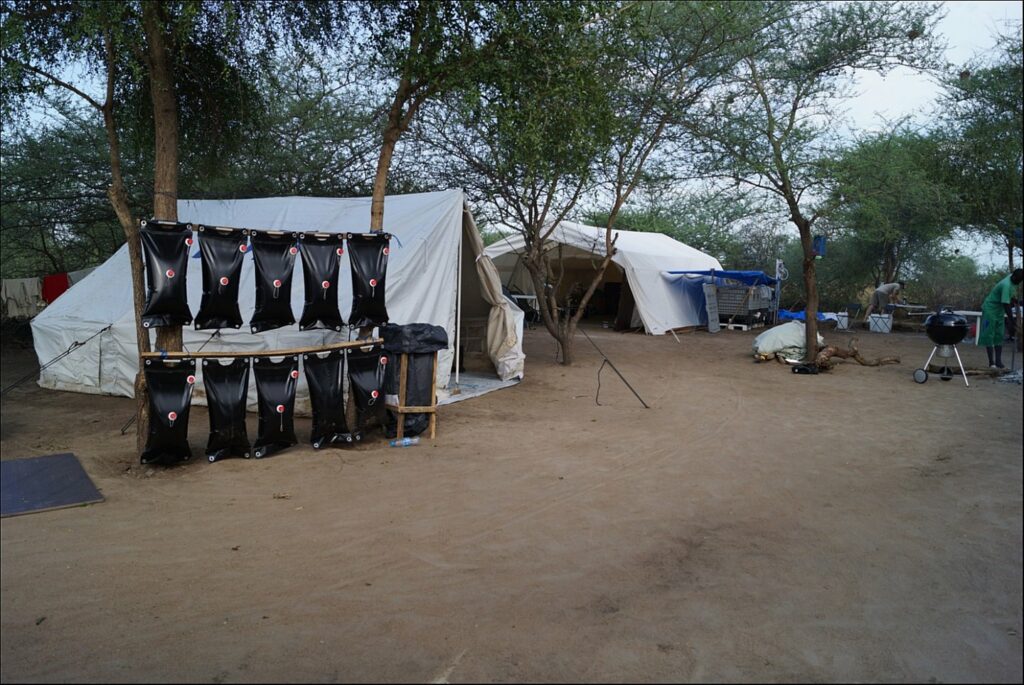
Sheikhan camp was one of three camps designed to house 15,000 IDPs each. With contributions from IHP members—including DEMA (Denmark), DSB (Norway), DFID (UK), MSB (Sweden), and THW (Germany)—the partnership mobilized shelters, office facilities, power generators, and water equipment. IHP teams provided the technical expertise to construct the camps, ensuring they were operational as quickly as possible.

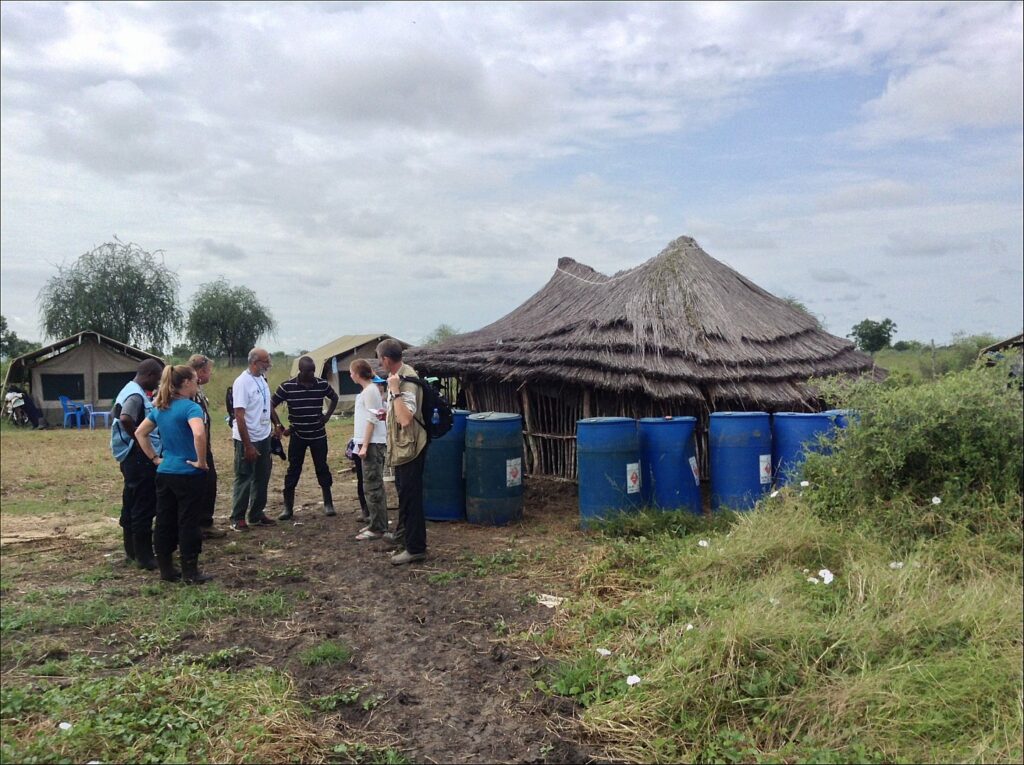
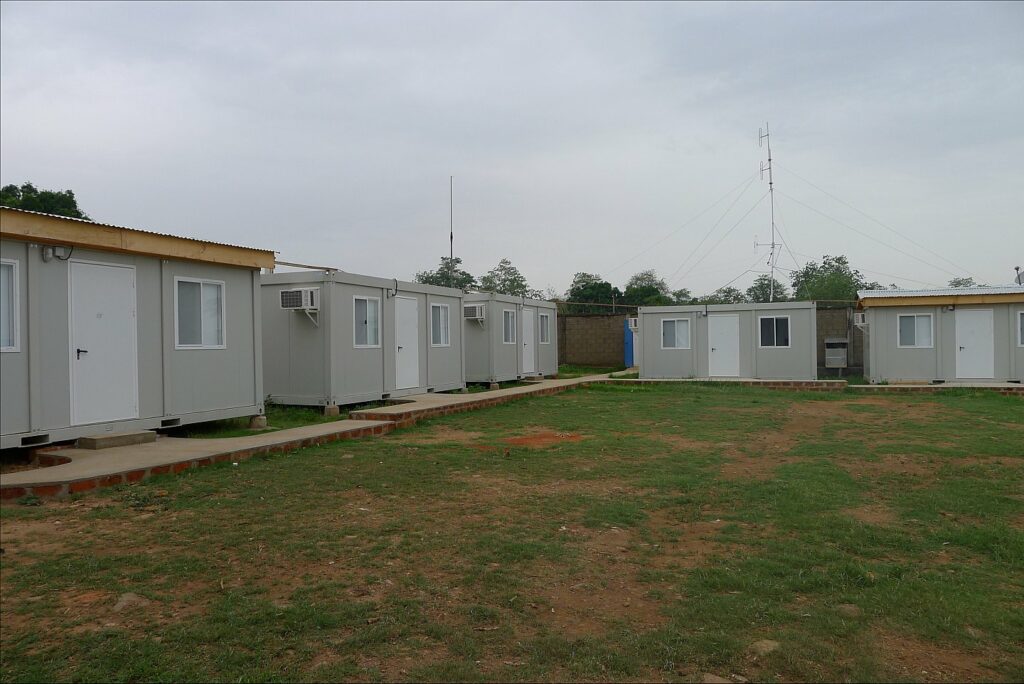
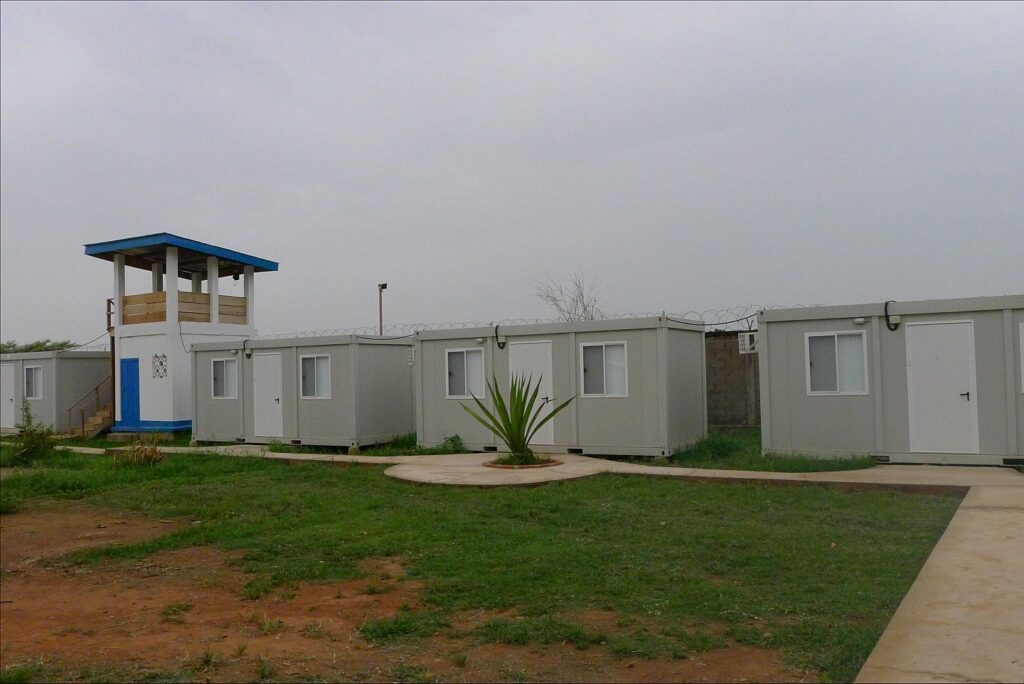
The Central African Republic (CAR) faced a devastating crisis in 2014, marked by widespread violence, political instability, and mass displacement. Armed conflict between rival groups left millions in urgent need of humanitarian assistance, with infrastructure in many regions severely damaged. The town of Kaga-Bandoro, a critical crossroads between the north and south, became a focal point for relief efforts. To support a sustainable UN presence in the region, the International Humanitarian Partnership (IHP) undertook a mission to establish a fully functional inter-agency office and accommodation compound.

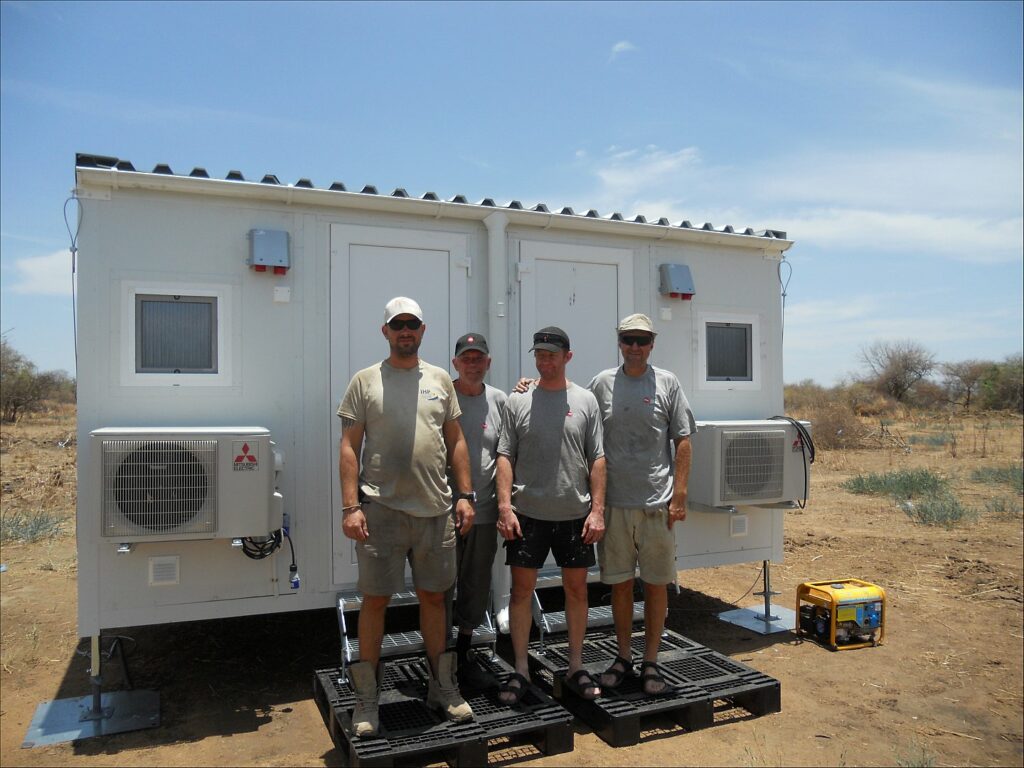
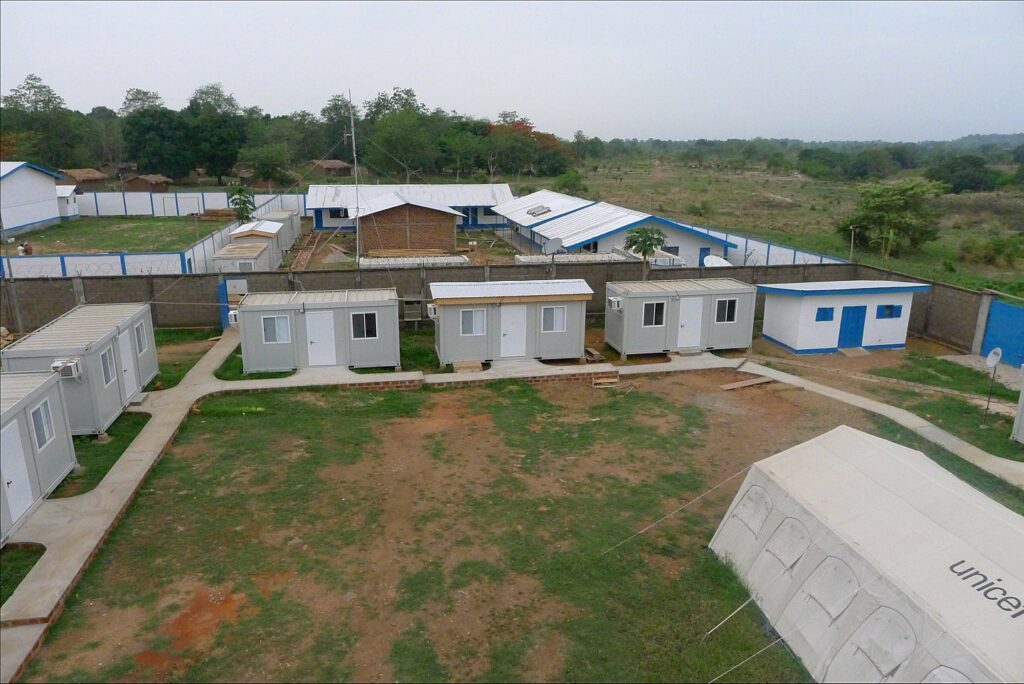
Led by MSB (Sweden), with support from DEMA (Denmark) and ASS-Lux (Luxembourg), IHP partnered with UNICEF, the implementing agency, and WFP, the requesting organization. The mission focused on renovating a dilapidated UN compound to provide facilities for over 40 humanitarian staff.

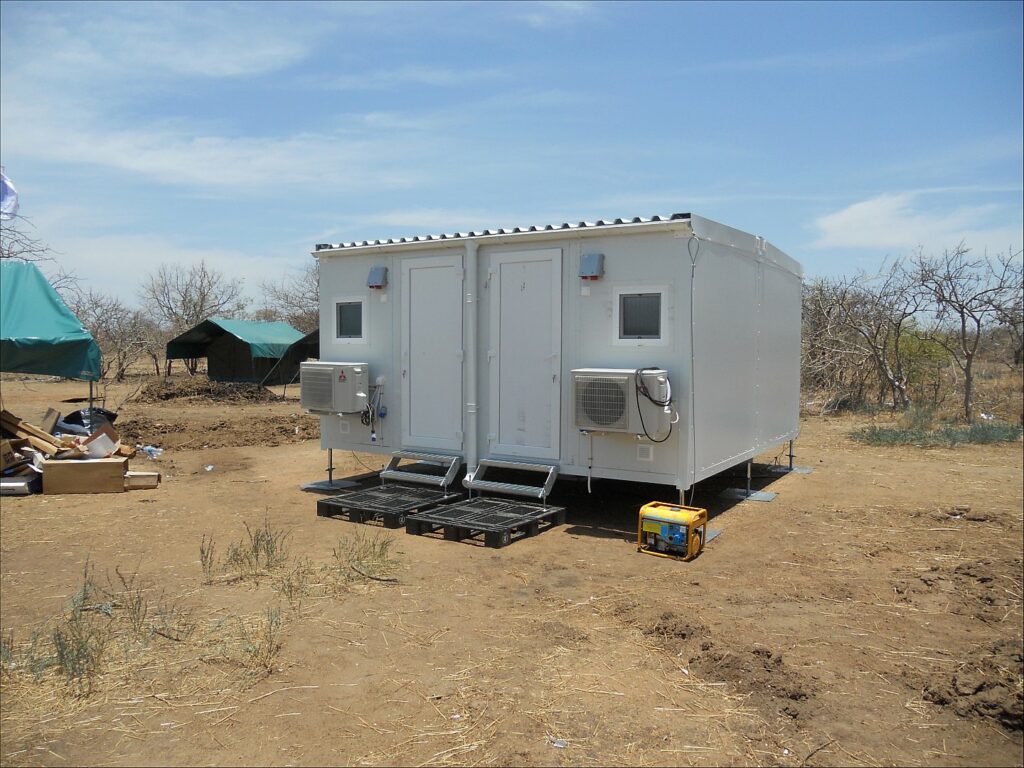
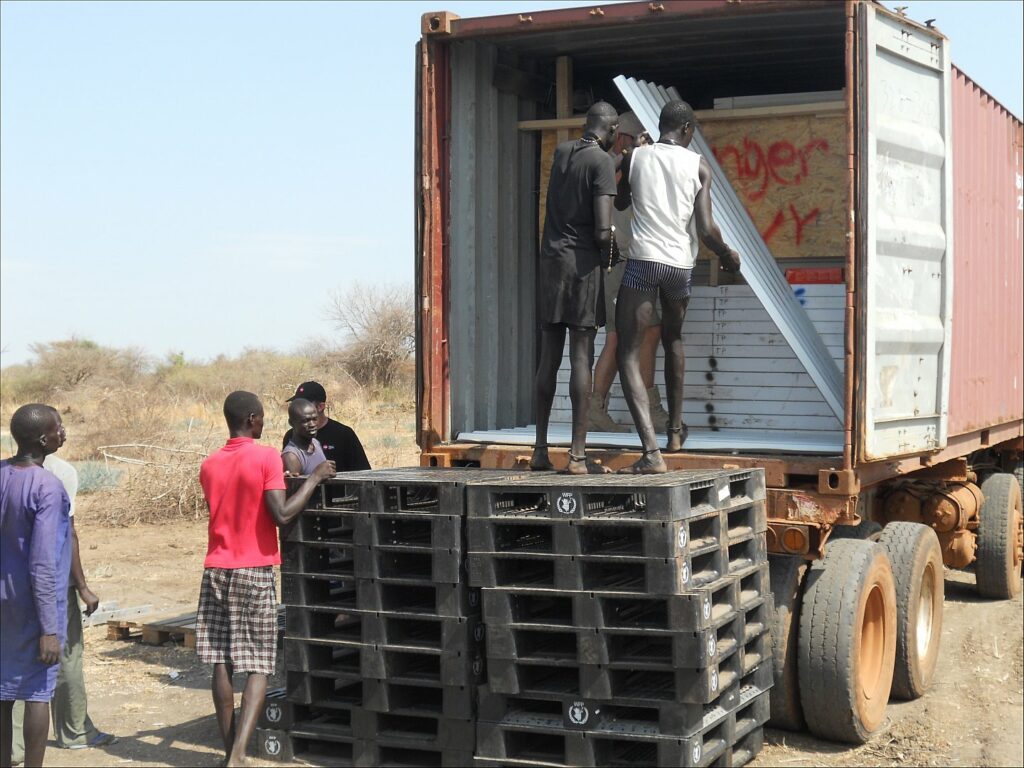
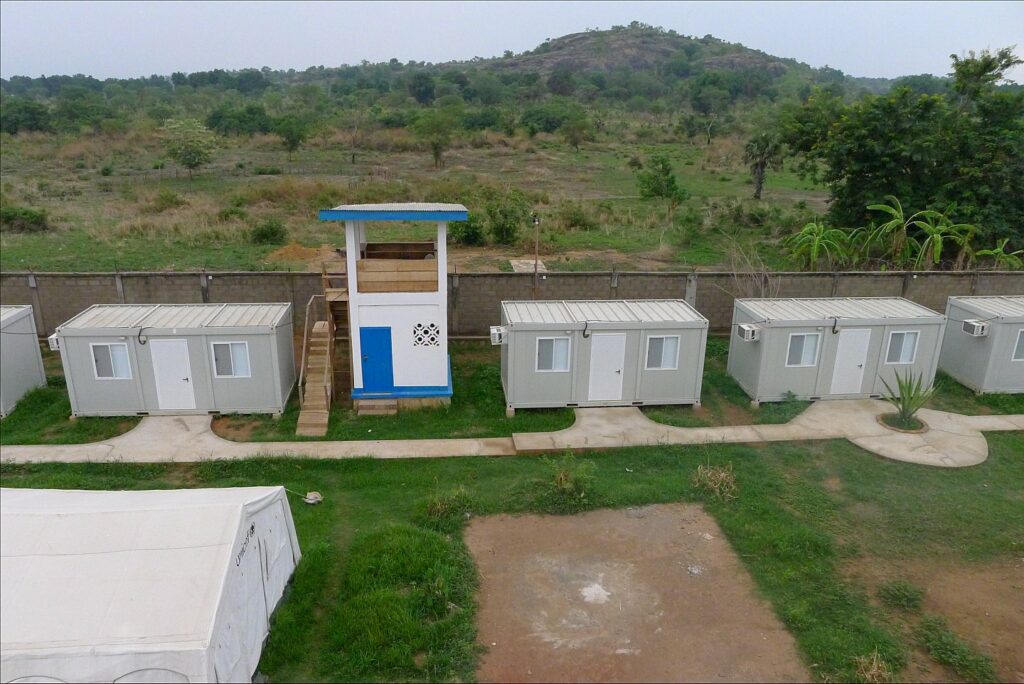
From June 2014 to May 2015, the IHP team installed 22 prefabricated houses and fully refurbished existing buildings to include office space, accommodation, and essential amenities such as toilets, showers, and a laundry room. The compound was equipped with generators, modernized electrical systems, and durable bricked and cemented walkways to withstand the heavy rains. The facilities became operational ahead of schedule, hosting personnel from UNICEF, WFP, WHO, UNFPA, OCHA, and NGOs like Save the Children.

The compound’s impact was transformative. It enabled humanitarian staff to live and work securely in Kaga-Bandoro, allowing for critical activities such as vaccination campaigns and emergency relief operations. As MSB Project Manager Niklas Hansson noted, “Sustainability and use of local capacity is key to a successful implementation.”

Challenges, such as extreme weather, logistics, and limited local resources, tested the team. Yet, their commitment to simplicity and adaptability ensured long-term functionality. Today, the compound stands as a vital hub for delivering life-saving aid, a testament to IHP’s dedication to supporting those in need.

Cover Photo Credit: UNHCR/Reason Moses Runyanga

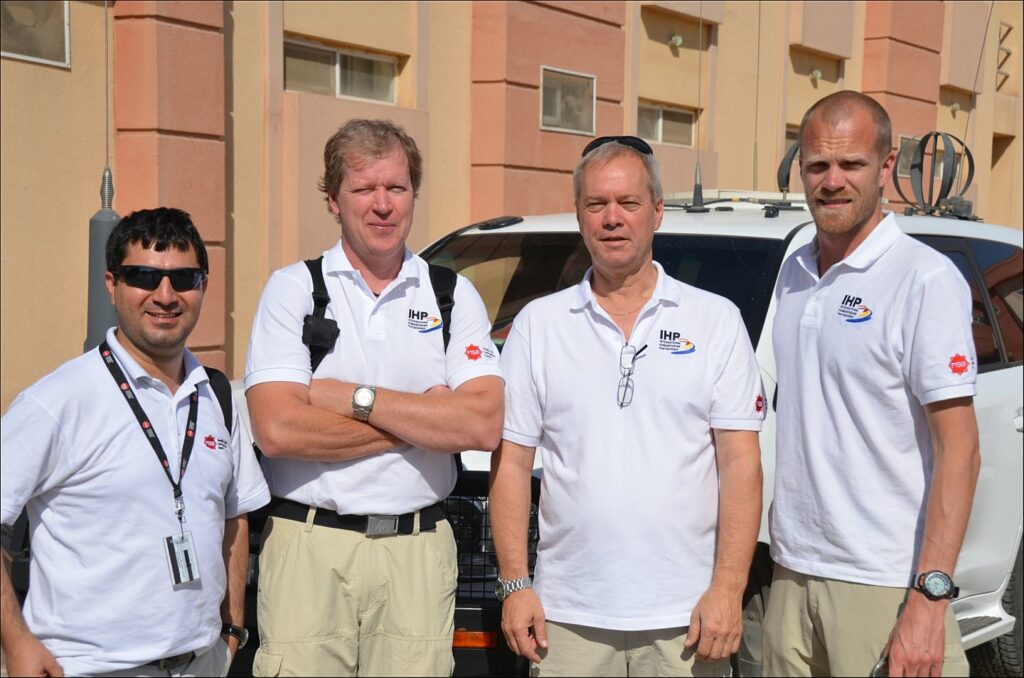
In 2013, as the Syrian refugee crisis continued to escalate, UNHCR faced mounting logistical challenges in Jordan. The influx of refugees and the growing scale of humanitarian operations required swift adaptation and enhanced infrastructure to ensure effective coordination and response. To support these efforts, the International Humanitarian Partnership (IHP) was called upon to assist with relocating UNHCR’s offices in Amman and constructing a new compound with prefabricated offices.

The new compound was designed to accommodate the expanding workforce and provide functional office spaces for key UNHCR teams. The project aimed to enhance operational efficiency and ensure that the agency could meet the demands of its increased operations. IHP partners, including MSB (Sweden) and DEMA (Denmark) collaborated to deliver a swift and effective solution, using prefabricated structures that could be rapidly assembled to meet the urgent needs of the organization.

IHP’s team worked closely with UNHCR to plan and execute the project, ensuring that the compound was fully equipped with essential services, such as electricity, water supply, and sanitation. The use of prefabricated office spaces allowed for a quick build time while maintaining high standards of quality and comfort for the staff working.

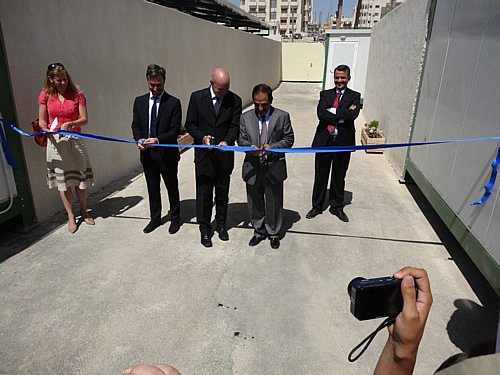
By the end of 2014, the new compound was completed and operational, providing a stable base for UNHCR’s teams working across Jordan and in support of the refugees in the region. This initiative was critical in helping UNHCR streamline its operations and continue delivering vital assistance to the thousands of displaced Syrians seeking refuge in Jordan.

The Syrian civil war, which erupted in 2011, triggered one of the most significant displacement crises in recent history. Millions of Syrians fled their homes, seeking safety in neighboring countries like Jordan. Among the camps established to host refugees, Azraq Refugee Camp became a cornerstone of Jordan’s response to the crisis. Located in the desert, Azraq is designed to provide a safe haven for tens of thousands of Syrians who have lost everything.

In 2014, the International Humanitarian Partnership (IHP) played a critical role in enhancing the camp’s operational capacity. Responding to a request from UNHCR, IHP supported the construction of 80 office spaces and meeting rooms in the camp. These facilities became the backbone of humanitarian coordination, enabling organizations to collaborate effectively and deliver vital services to camp residents.

Today, Azraq Refugee Camp is home to approximately 40,000 Syrian refugees. Known for its organized layout and emphasis on sustainability, the camp features schools, health centers, communal kitchens, and solar-powered electricity. The offices established with IHP’s support remain essential, facilitating the work of humanitarian agencies and ensuring the smooth delivery of aid and services to refugees.

While Azraq offers safety and basic services, the refugees’ long-term needs underscore the enduring nature of the Syrian crisis. IHP’s involvement highlights the critical importance of strong partnerships in building infrastructure that not only addresses immediate needs but also provides a foundation for resilience and hope in the face of ongoing challenges.

Cover Photo Credit: UN Photo/Mark Garten

Cover Photo Credit: IOM/Muse Mohammed

The Syrian civil war, which began in 2011, led to one of the largest displacement crises in modern history. Millions fled the violence, with Jordan becoming a primary destination for those seeking safety. Among the refugee camps established in Jordan, Zaatari emerged as a central hub for Syrian refugees. Located near the Syrian border, Zaatari has grown to become one of the largest refugee camps in the world, symbolizing both the resilience of its residents and the challenges of managing such a massive humanitarian response.

In 2014, at the height of the crisis, the International Humanitarian Partnership (IHP) joined efforts to enhance the camp’s capacity to support refugees and humanitarian operations. Responding to a request from UNHCR, IHP, alongside other partners, facilitated the construction of 80 office spaces and meeting rooms within the camp. These facilities provided essential infrastructure for coordination, planning, and delivering services to the camp’s residents.

The Zaatari Refugee Camp today is more than a temporary shelter—it is a sprawling city that accommodates over 80,000 Syrian refugees. The camp features markets, schools, health centers, and community spaces, offering a semblance of normalcy amid challenging circumstances. The offices and meeting rooms established with IHP’s support remain vital, enabling organizations to work efficiently and collaborate effectively in addressing the refugees’ needs.

While the camp has become a symbol of humanitarian assistance, the ongoing need for support is a stark reminder of the protracted nature of the Syrian crisis. IHP’s involvement in Zaatari underscores the importance of global partnerships in providing both immediate relief and sustainable infrastructure, ensuring that displaced populations receive the care and services they need to rebuild their lives.

Cover Photo Credit: UNHCR/Brian Sokol

Cover Photo Credit: UNOCHA/Giles Clarke

Cover Photo Credit: UNICEF/Osman Rajab

In 2011, the Libya War unleashed a humanitarian crisis as thousands fled the conflict, seeking refuge in neighboring countries like Tunisia. As refugee camps rapidly grew along the Tunisian border, the need for coordination and infrastructure to manage the influx of displaced people became urgent. The United Nations, including UNHCR and UN OCHA, mobilized to provide relief and ensure the safety of those escaping the conflict.

IHP’s Role: Supporting UNDAC and UNHCR in Tunisia

In response to the escalating crisis, the International Humanitarian Partnership (IHP) deployed a team to support UNDAC (United Nations Disaster Assessment and Coordination) and UNHCR in their operations in Tunisia. IHP’s contribution focused on two key areas:

Telecommunications and IT Support

A two-person team from Norway’s DSB (Directorate for Civil Protection and Emergency Planning) was sent to assist UNDAC with establishing reliable telecommunications and IT facilities. These resources were essential for enabling coordination between agencies and ensuring efficient information sharing across the growing refugee camp.

Jan Olsson, a member of the IHP team and UNDAC support staff, described the scene:
“The OSOCC (On-Site Operations and Coordination Centre) was buzzing with activity, coordinating humanitarian efforts for the thousands of refugees who arrived daily. The ICT setup allowed agencies to work efficiently under immense pressure.”

Base Camp for Humanitarian Workers

IHP also supported the establishment of a base camp to house UNHCR and UNDAC staff working on the ground. The camp provided office spaces, accommodation, and essential facilities for aid workers, enabling them to focus on their critical missions.

Cover Photo Credit: UNICEF/Giovanni Diffidenti