Home » Operations » Maiduguri and Borno State Hubs

Maiduguri and Borno State Hubs

Years :
Incidents :
Country :

Description of the mission

Participants :
Requester :

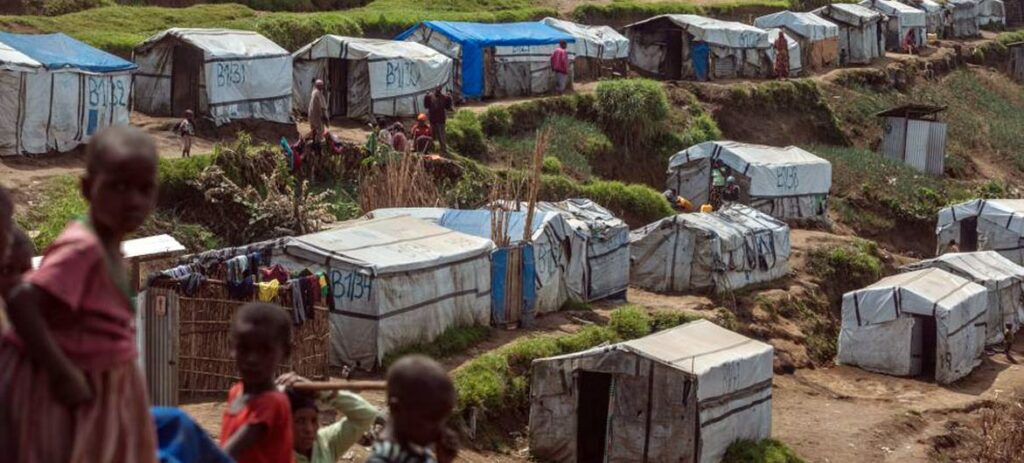
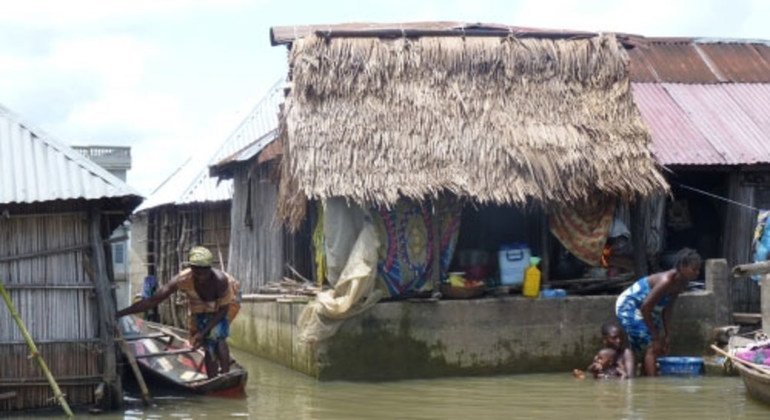
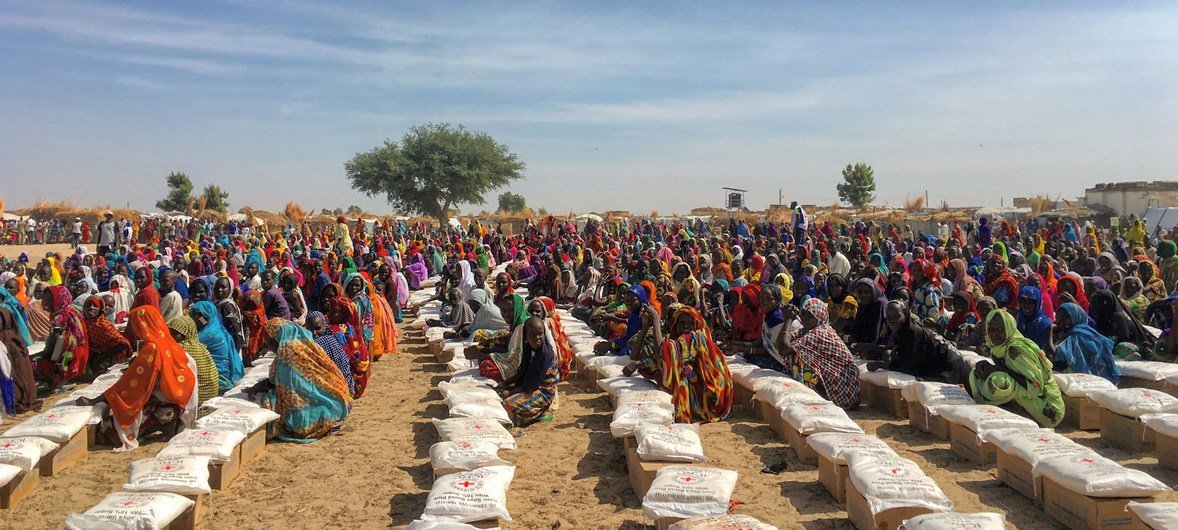
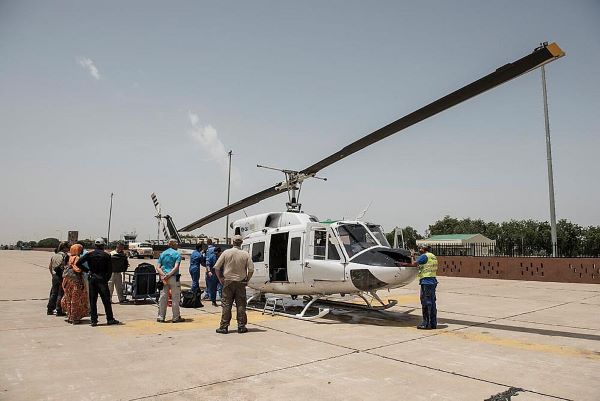
IThe ongoing armed conflict in northeastern Nigeria, particularly in Borno State, has caused one of the most severe humanitarian crises in the world. The insurgency led by Boko Haram, along with military operations by national and multinational forces, has left millions of people in urgent need of assistance. With over 14 million individuals facing dire conditions, security challenges and the remoteness of many affected areas have severely hindered the delivery of life-saving aid. Malnutrition, particularly among children and vulnerable populations, is at alarmingly high levels, and the destruction of villages has left communities devastated.

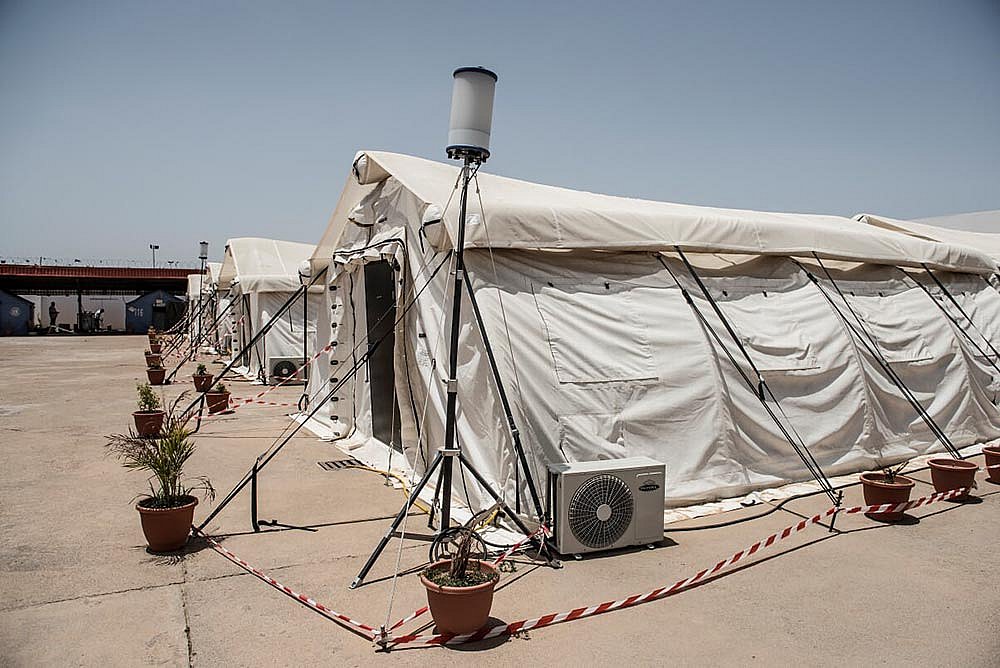
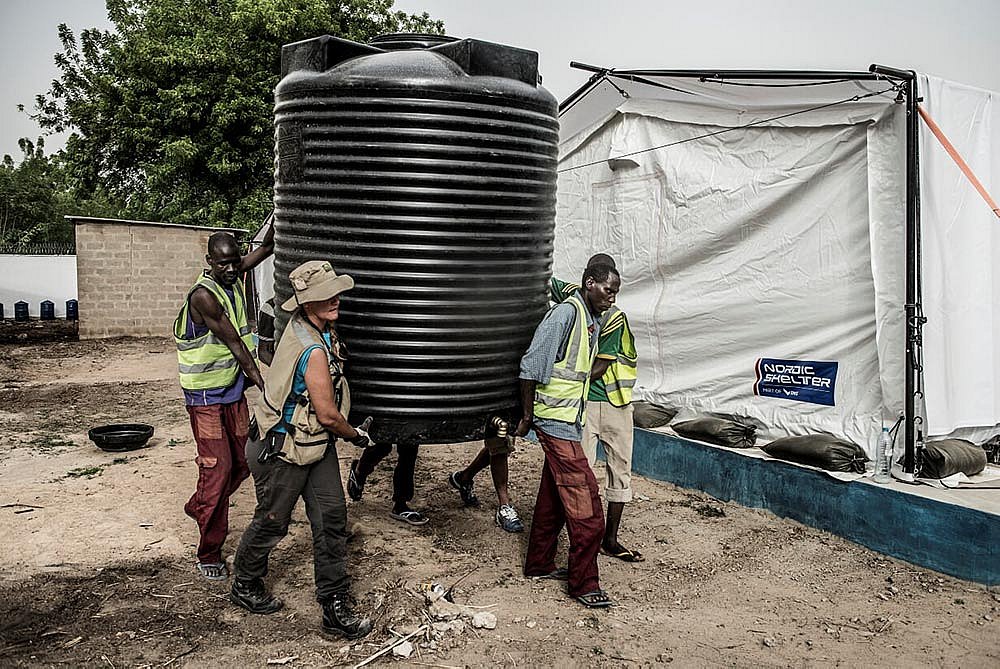
In response to this crisis, the International Humanitarian Partnership (IHP) deployed a team to Borno State to support the humanitarian response. The IHP’s involvement was requested by the Humanitarian Country Team and the International Organization for Migration (IOM) to augment capacity in providing safe and secure accommodation and working facilities for humanitarian workers. IHP established a large base camp in Maiduguri, the regional capital, to accommodate approximately 100 staff, offering essential services like housing, kitchens, meeting rooms, water, sanitation, and power supply. Additionally, IHP set up eight sub-regional hubs in remote areas of Borno State, each hosting about 15 staff to ensure that aid could be delivered efficiently to those in need, despite the challenging conditions. This mission, led by the Swedish Civil Contingencies Agency (MSB) with support from the Danish Emergency Management Agency (DEMA), was set to last for approximately 12 months, with the support and funding of the Swedish and Danish governments.
Cover Photo Credit: IOM/Jessica Mamo
Essential equipment supporting humanitarian success

Explore the critical equipment deployed during this humanitarian mission. From advanced medical supplies to innovative logistical solutions, each resource was meticulously selected to address urgent needs on the ground. These tools exemplify our commitment to delivering efficient, effective, and tailored support in the most challenging environments.

Other missions

Uganda Preparedness

IHP provided ICT support to UNDAC during Uganda's emergency preparedness efforts. The deployment included satellite phones, laptops, and internet connectivity to ensure seamless communication and coordination in disaster response scenarios. This critical support helped enhance Uganda's readiness to handle emergencies, enabling efficient assessments and real-time collaboration with international humanitarian teams.

Lebanon War

During the 2006 Lebanon War, the International Humanitarian Partnership (IHP) provided vital logistics support to the World Food Programme (WFP). IHP deployed experts to assist in coordinating and streamlining the delivery of humanitarian aid amidst complex and rapidly changing conditions.

TRIPLEX 2016

The 2016 TRIPLEX exercise, hosted by the Norwegian Directorate for Civil Protection in southern Norway, brought together over 200 participants from 36 organizations and more than 70 nationalities. Centered on a realistic scenario involving Hurricane "Windblown," which devastated the fictional country of Sörland, the exercise tested emergency response coordination among UN agencies, the EU Civil Protection team, NGOs, military actors, and private sector partners. The event began with workshops on the latest humanitarian tools and mechanisms, followed by a three-day simulation focused on assessments, coordination, and response planning.