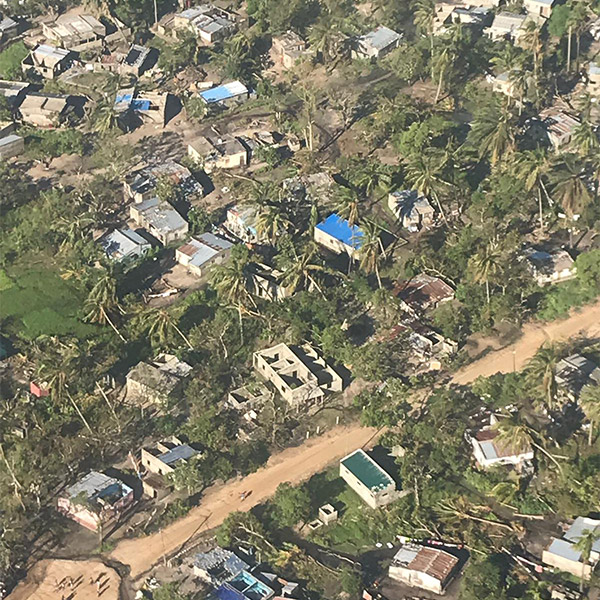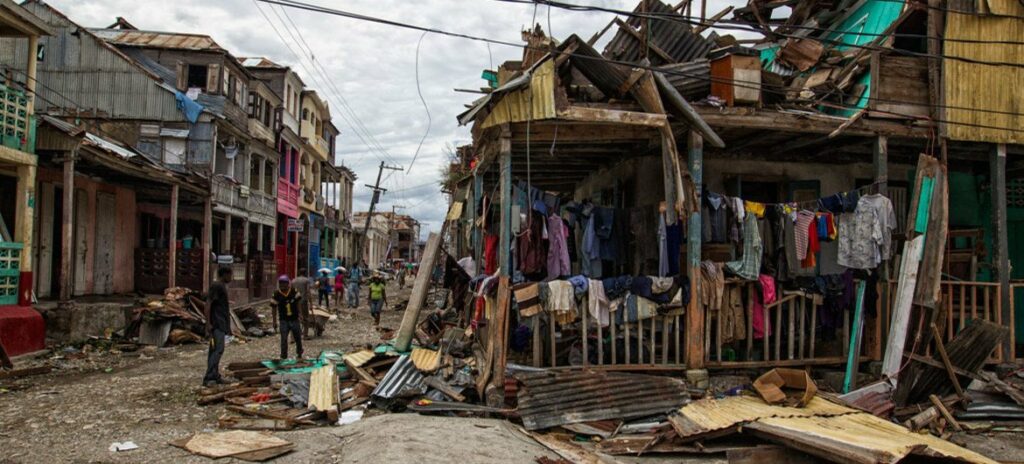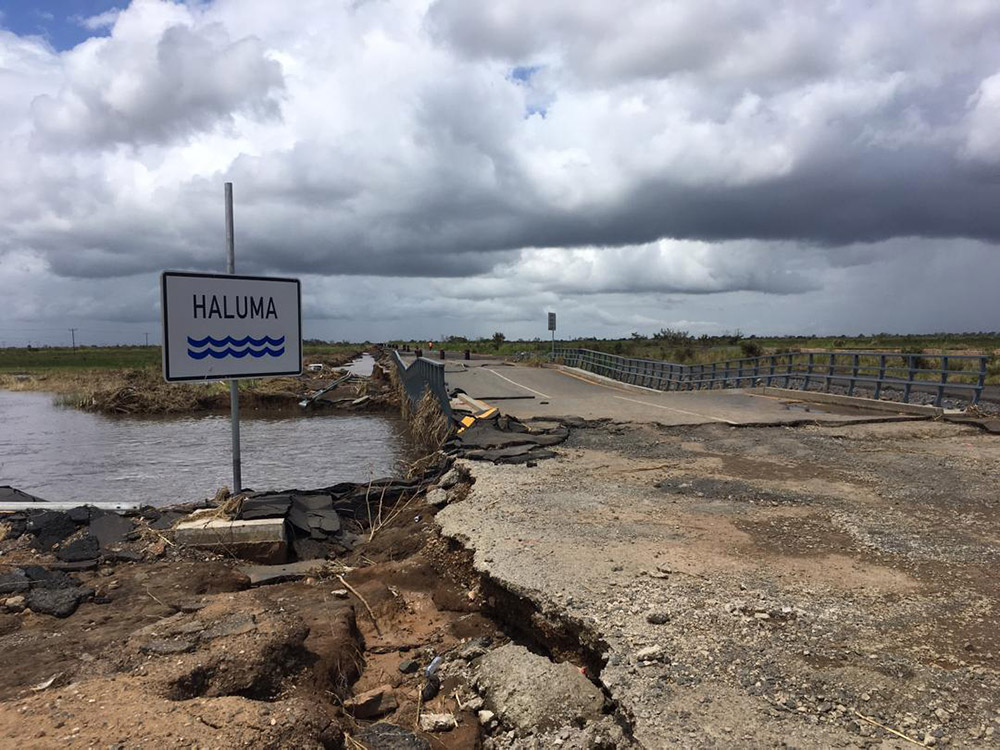
In response to the devastating impact of Cyclone Idai in March 2019, the International Humanitarian Partnership (IHP) was quickly activated to support the UN Disaster Assessment and Coordination (UNDAC) team deployed by OCHA. Cyclone Idai caused widespread destruction in Mozambique, particularly in the city of Beira, affecting thousands of people and displacing many more.
IHP’s primary role was to provide ICT support to the UNDAC team, deploying experts from various IHP member organizations to assist with damage and needs assessments, coordination, and information management. IHP also sent an assessment team to support the World Food Programme (WFP) in evaluating the humanitarian needs, particularly focusing on accommodation, office facilities, and living conditions for UN staff and other responders.
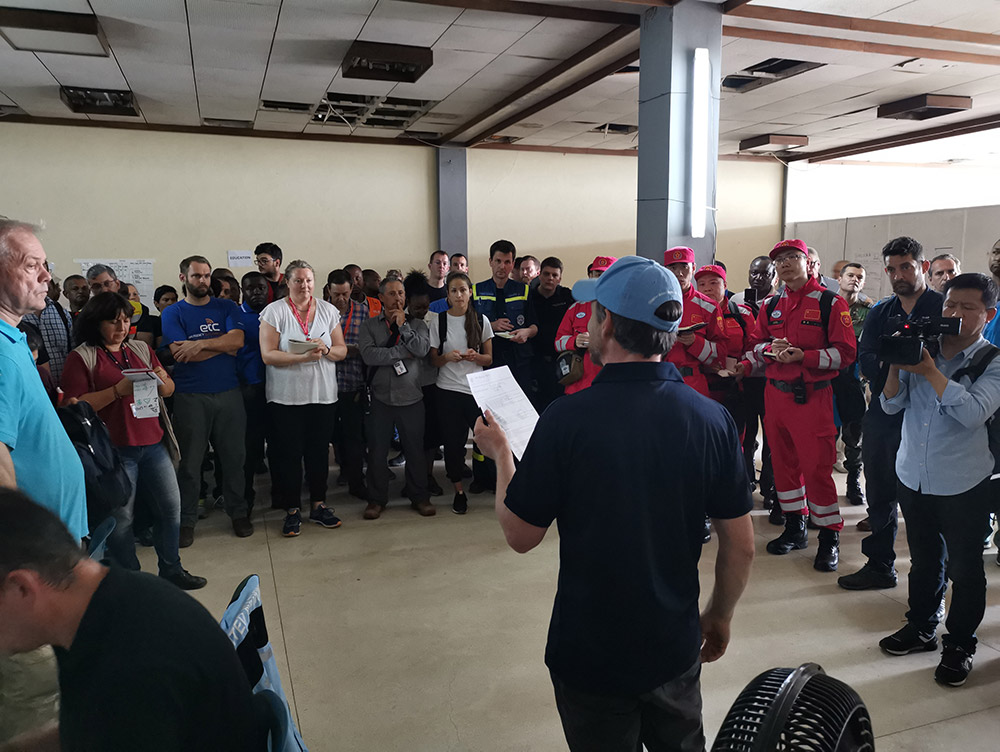
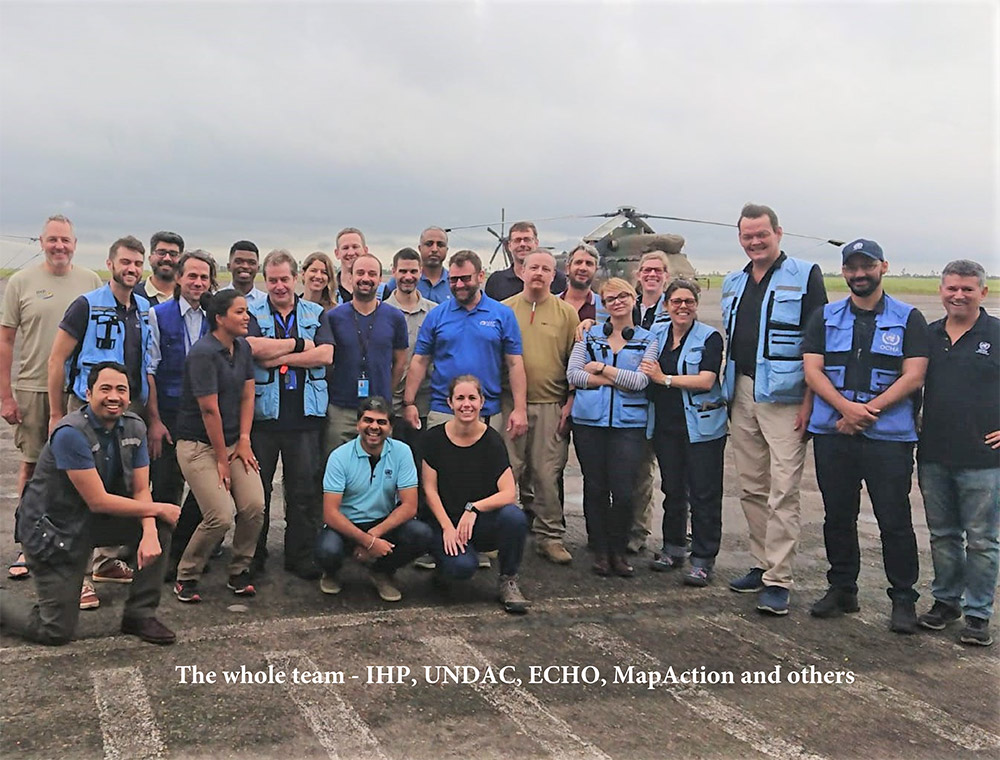
Throughout the operation, IHP worked in close coordination with OCHA, UN agencies, and other partners such as MapAction and ECHO. The IHP teams were integral in establishing coordination facilities and logistics hubs, initially setting up operations at Beira Airport. They also facilitated the entry and logistics for personnel and equipment arriving into the country. The team worked in the field to assess and address the needs of affected communities, and helped establish two small hubs for better operational support.
As the response shifted and the operations center moved from Beira Airport to new locations in town, IHP’s support transitioned, and by late April 2019, the IHP mission in Mozambique concluded. The IHP team successfully provided critical infrastructure and operational support, helping to ensure that the response was as efficient and effective as possible in addressing the needs of the affected population.
The collaboration between IHP members from Sweden (MSB), Norway (DSB), Finland (CMC), and Denmark (DEMA), along with UN agencies, MapAction, and other partners, was highly valued and ensured the successful delivery of aid during a challenging and dynamic operational environment.