Since September 20, Uganda has been confronting an outbreak of the Sudan ebolavirus, a highly lethal form of haemorrhagic fever. As of November 25, 2023, 55 of 141 confirmed patients had died across nine districts. With no proven vaccines available, the response has focused on immediate supportive care, with the new ETUs set to provide crucial medical interventions that improve survival chances. Early diagnosis, supportive hydration, intravenous fluids, glucose administration, and treatment for co-infections such as malaria remain central to patient care.
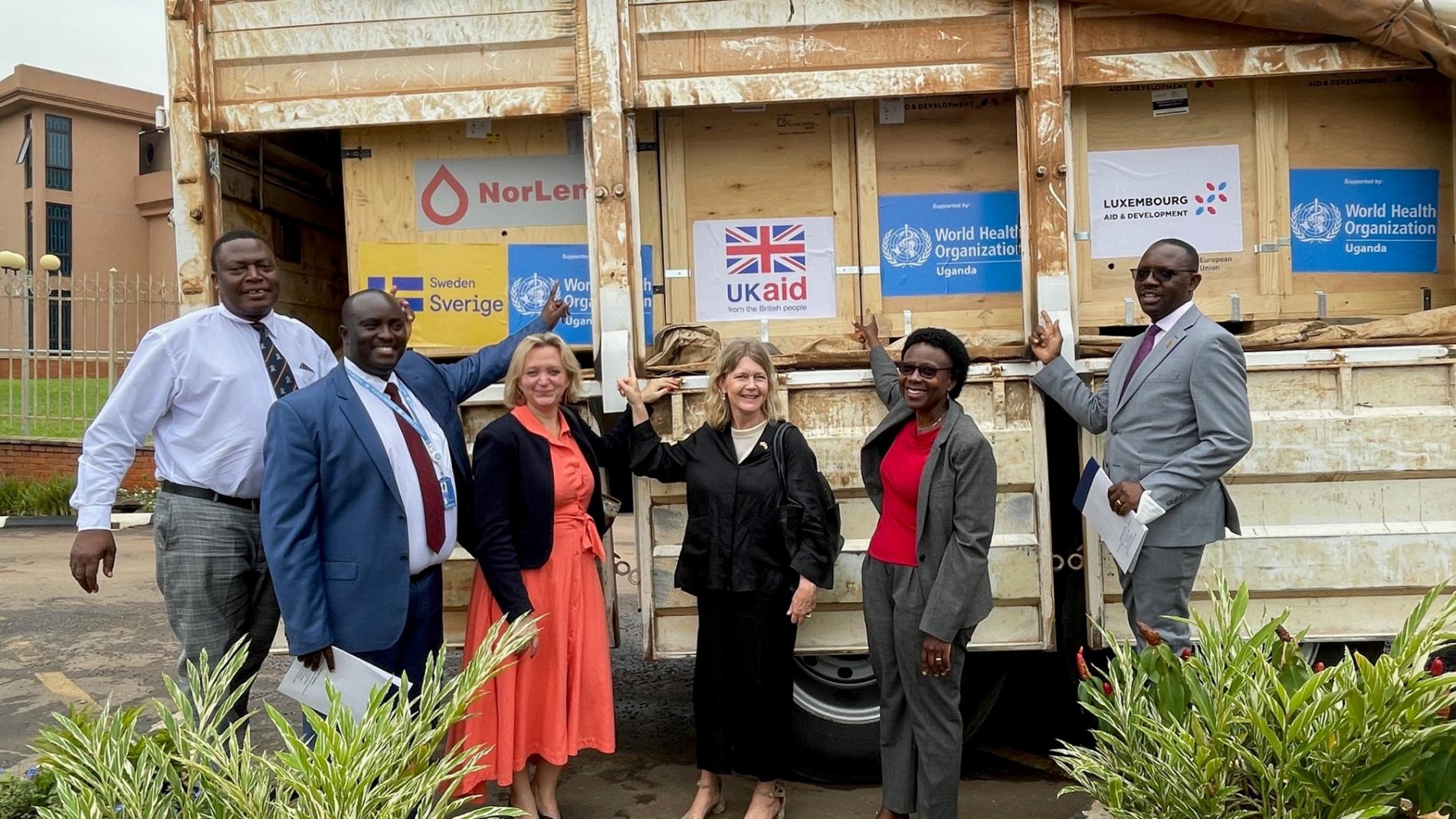
In response to Uganda’s ongoing Ebola outbreak, Luxembourg, Sweden, and the United Kingdom, in collaboration with the World Health Organization (WHO), have provided essential equipment and services valued at nearly USD $1 million to support the establishment of a new Ebola Treatment Unit (ETU) at Mulago Hospital in Kampala, along with additional facilities in Masaka and Jinja.
The 32-bed facility at Mulago Hospital, developed under Uganda’s Ministry of Health with WHO and UNICEF support, is equipped with essential resources from IHP member countries:
Luxembourg has contributed eight incinerators for safe waste management and is handling air transport of WHO medical supplies to Uganda.
Sweden provided two 45 KVA generators, essential tents, and deployed staff through WHO to assist in constructing the ETU at Mulago. They are also coordinating air transport of additional equipment to Uganda.
The UK supplied tents, flooring, and is supporting the facility’s infrastructure in addition to financial aid and expert support on the ground.
The generators and other supplies are specifically allocated to Mulago, with tents and incinerators also designated for the treatment and isolation centres in Masaka and Jinja. These contributions are bolstering Uganda’s preparedness and response, creating critical infrastructure to help manage and contain the virus.
Luxembourg, Sweden, and the UK, as members of the International Humanitarian Partnership (IHP), have mobilized quickly to address the critical need for equipment and logistics support during this outbreak. Their joint assistance, combined with WHO’s coordination, enhances Uganda’s capacity to respond, strengthens on-ground treatment facilities, and bolsters preparedness in strategic locations.
In addition to equipment, Sweden has committed USD $2.3 million through the UN response plan to support Ministry of Health (MoH) operations, while the UK has allocated USD $2.9 million for WHO-led efforts in Uganda. This financial and in-kind support is essential as WHO seeks to raise USD $88.2 million to contain and manage the outbreak effectively and prevent further spread, including to neighbouring countries.