Home » Operations » Mozambique Floods

Mozambique Floods

Years :
Incidents :
Country :

Description of the mission

Participants :
Requester :

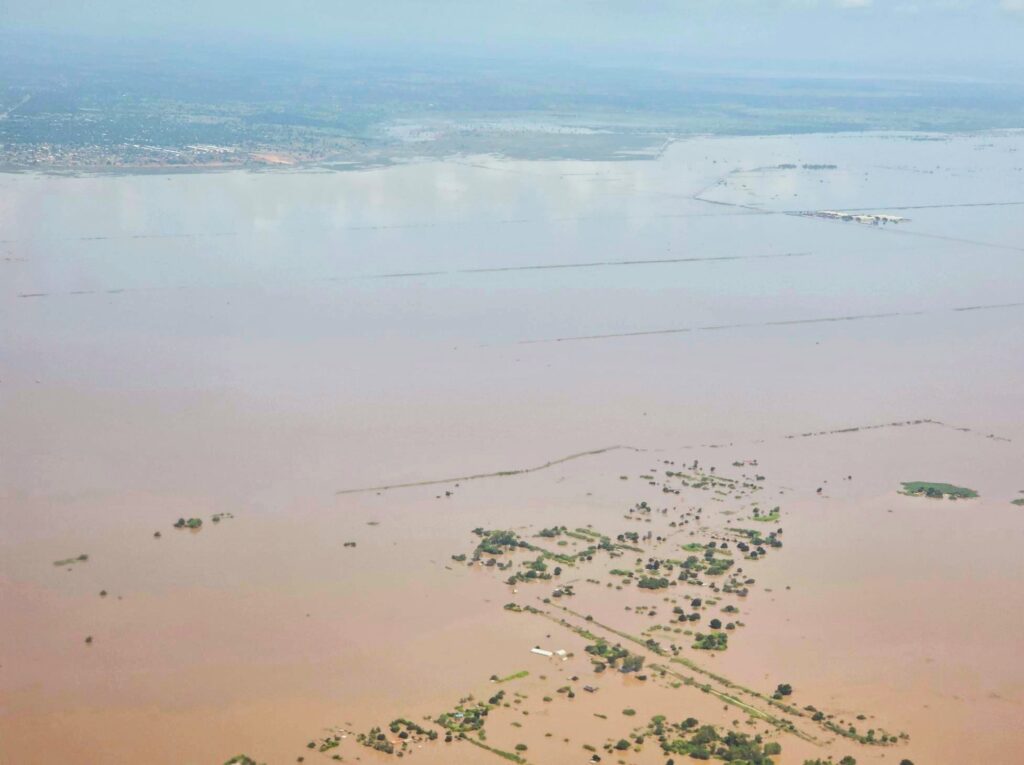
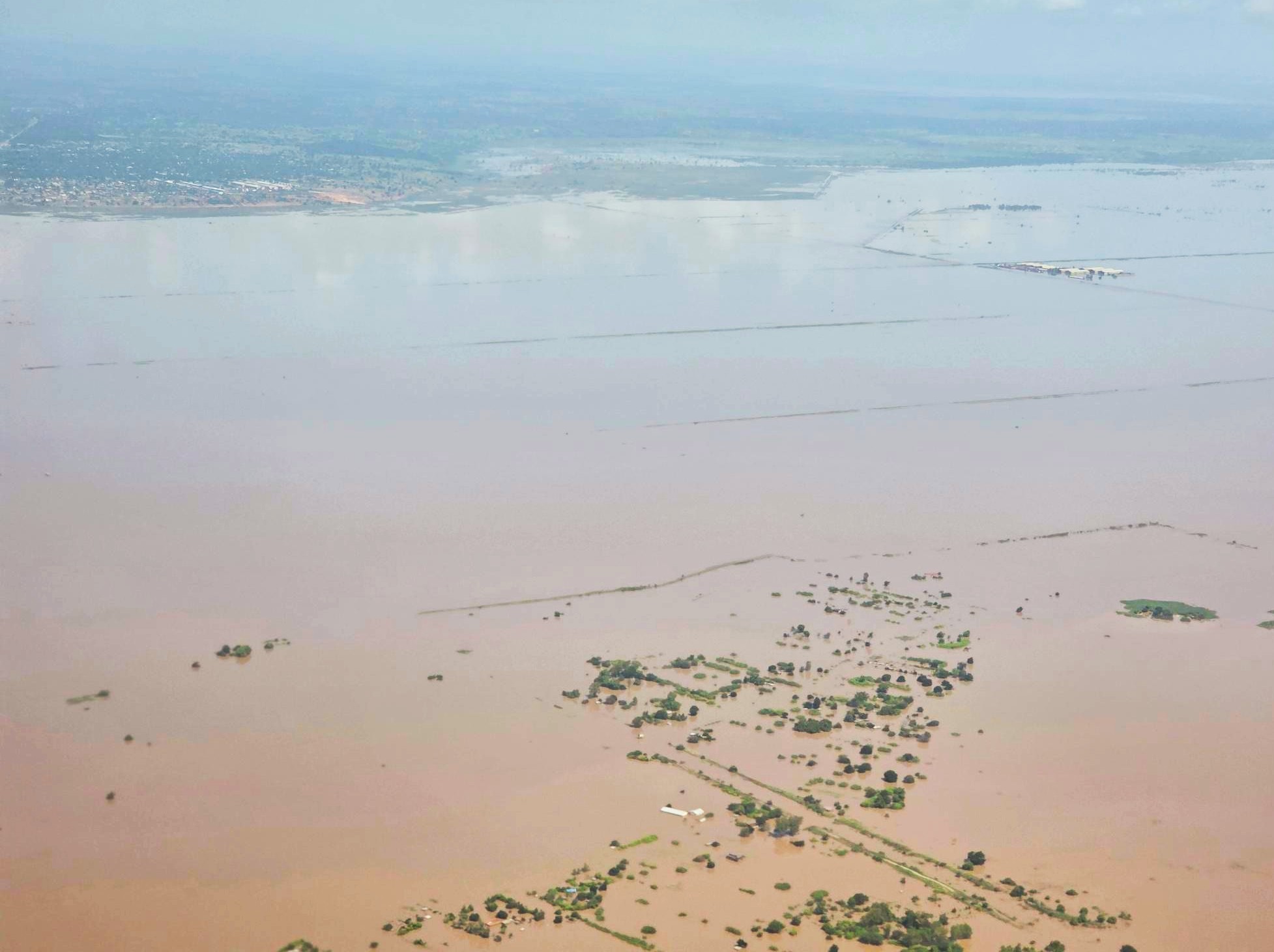
In January and February 2026, Mozambique was affected by severe flooding following persistent and intense rainfall during the first weeks of the year. The floods impacted several regions, disrupted livelihoods, and caused widespread damage to infrastructure, housing, and agricultural land. As a result, national authorities requested international support to strengthen coordination and response efforts.

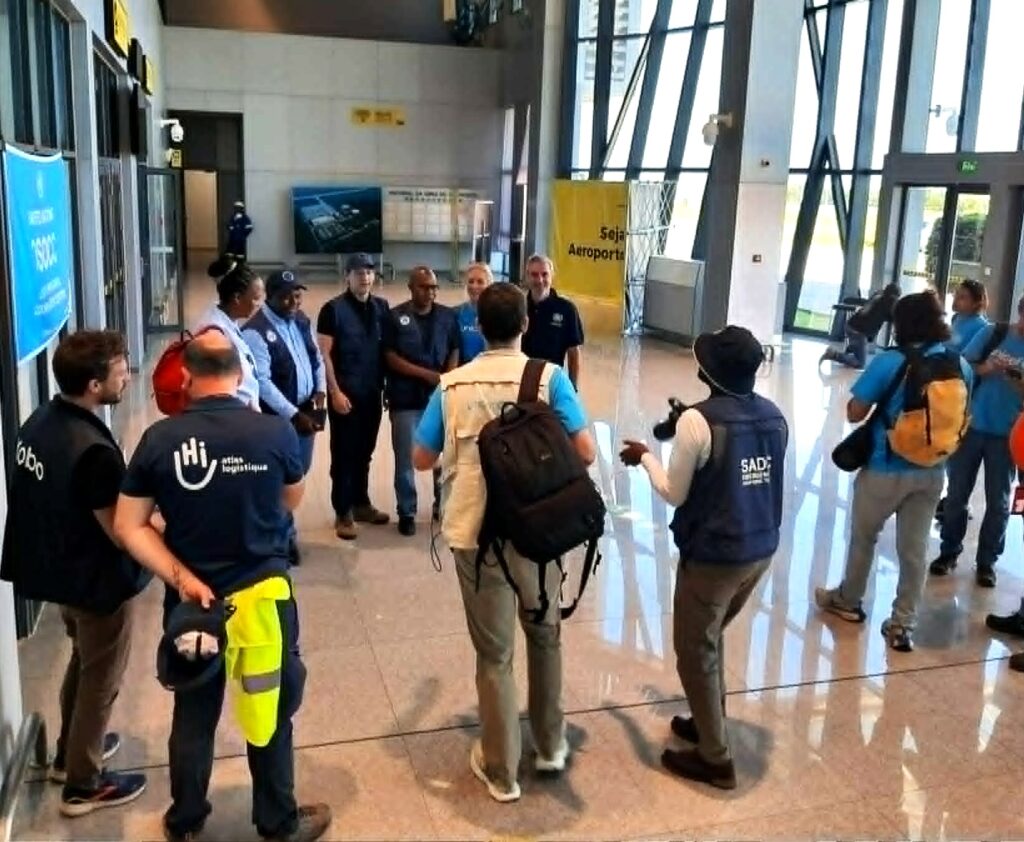
At the request of OCHA, the International Humanitarian Partnership (IHP) deployed two experts to support the UNDAC team responding to the emergency. The deployment focused on providing operational ICT and office support, continuing IHP’s long-standing role—dating back to the late 1990s—in delivering rapidly deployable operational capacities in humanitarian crises.

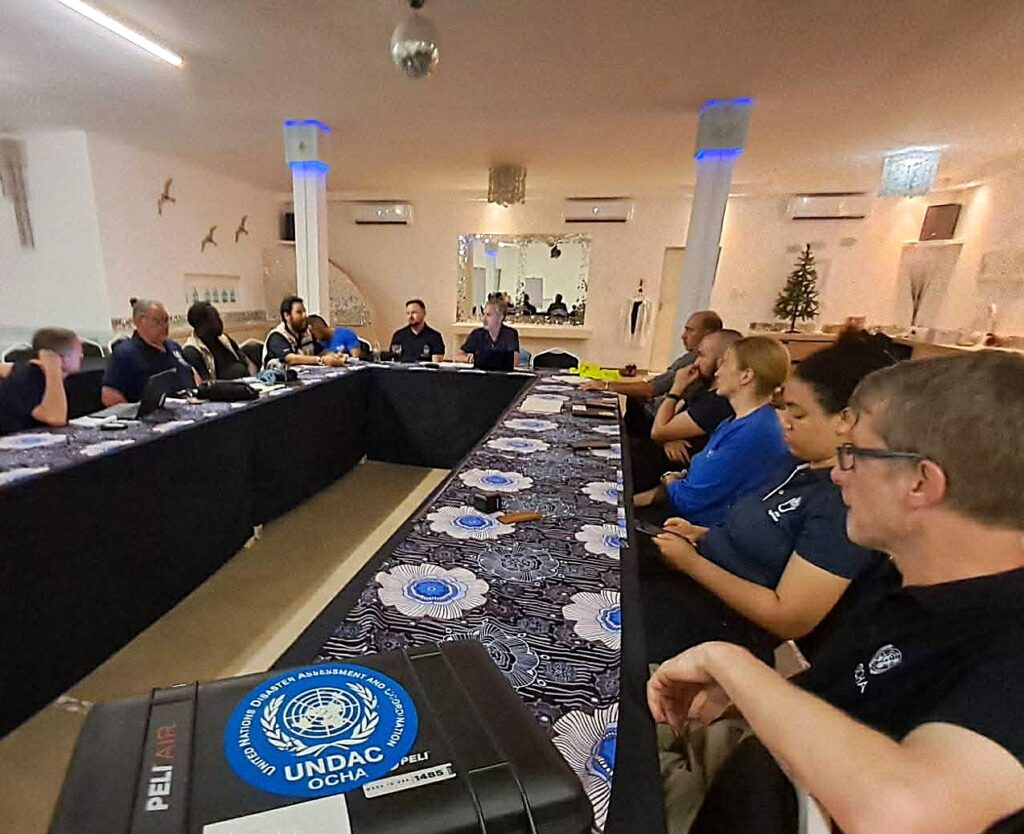
The operation was carried out by two Norwegian experts deployed on behalf of IHP. They worked closely with the UNDAC team and other OCHA partners throughout the mission. A key contribution was technical and logistical support to the On-Site Operations Coordination Centre (OSOCC), which had to be relocated several times due to changing operational needs and field conditions.

The UNDAC team consisted of nine members, supported by seven additional staff from other operational partners. From the IHP side, a standard IHP ICT module was deployed. This included Starlink satellite connectivity to ensure reliable high-speed internet, UniFi systems for local area networking and wireless coverage, as well as printers and other essential office equipment. These capabilities were critical in enabling information management, coordination meetings, reporting, and daily operational workflows for the response teams.

Overall, the IHP support strengthened inter-agency coordination and operational continuity during a dynamic and challenging emergency response, contributing to more effective humanitarian action in support of flood-affected populations in Mozambique.
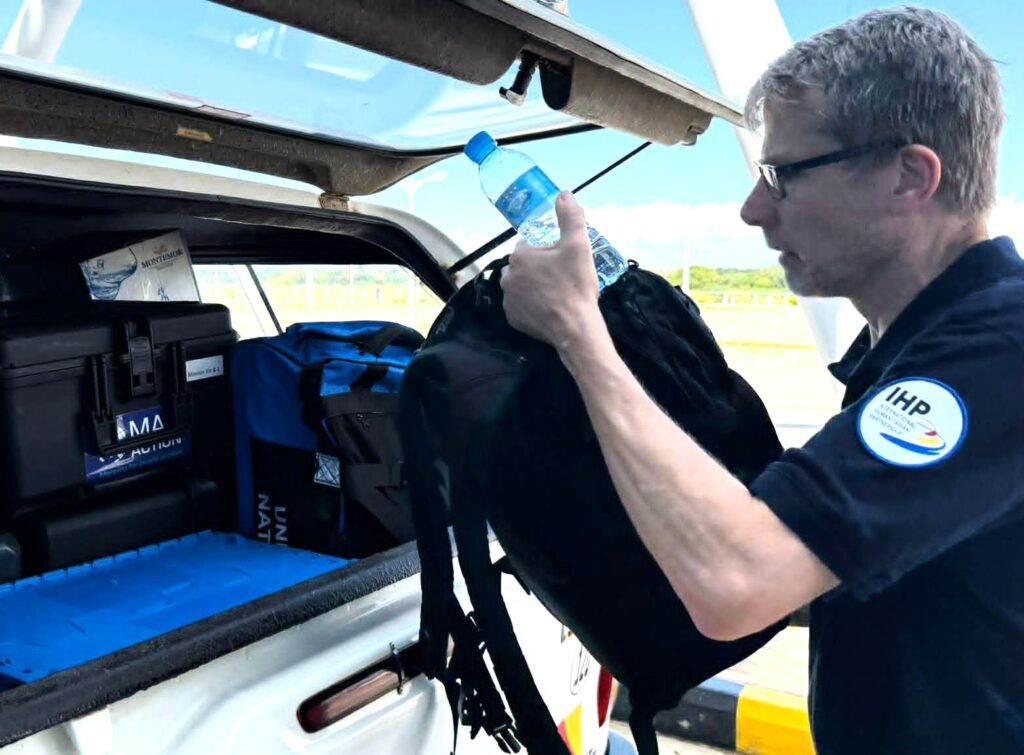
Essential equipment supporting humanitarian success

Explore the critical equipment deployed during this humanitarian mission. From advanced medical supplies to innovative logistical solutions, each resource was meticulously selected to address urgent needs on the ground. These tools exemplify our commitment to delivering efficient, effective, and tailored support in the most challenging environments.

Other missions

TRIPLEX 1997

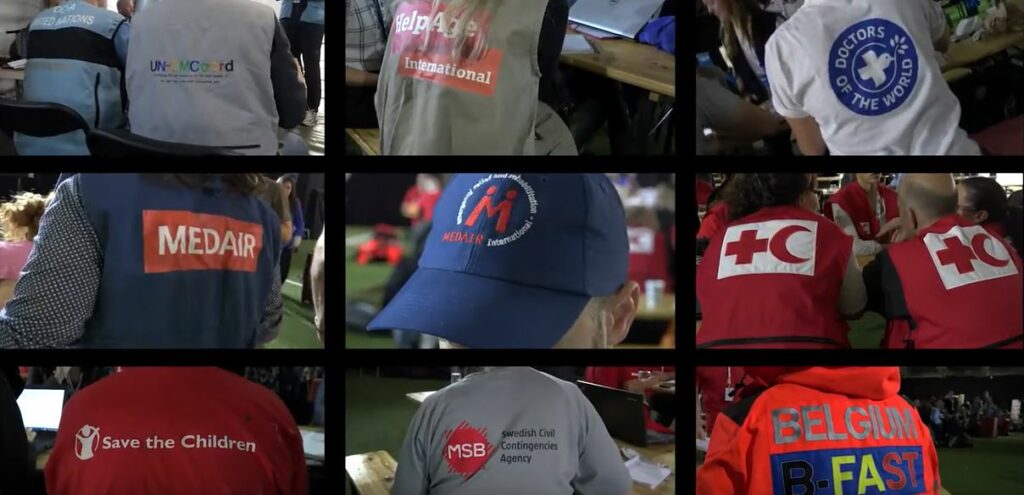
The first-ever TRIPLEX exercise took place in 1997 in the United Kingdom, marking the beginning of a pioneering initiative in multilateral humanitarian preparedness. Organized by the International Humanitarian Partnership (IHP), the inaugural TRIPLEX focused on testing and enhancing coordination among humanitarian actors in a simulated emergency environment. Bringing together IHP member organizations and international partners, the exercise laid the foundation for what would become a cornerstone of civilian-led humanitarian response training. It set a precedent for future exercises, emphasizing collaboration, interoperability, and the practical application of skills in complex crisis scenarios.

TRIPLEX 2006

In September 2006, the TRIPLEX exercise was held in Finland's Satakunta region, centered around the cities of Pori and Kankaanpää. Organized by the International Humanitarian Partnership (IHP), the simulation featured a large-scale natural disaster scenario, bringing together humanitarian actors, UN agencies, and EU Civil Protection teams. Participants engaged in critical tasks such as disaster assessments, coordination, and logistics support, while testing IHP's deployment capacities, including base camp services and communication systems. TRIPLEX 2006 provided a realistic and challenging training environment, fostering collaboration and enhancing the preparedness of international humanitarian teams for future emergencies.

Great Upper Nile Base Camps

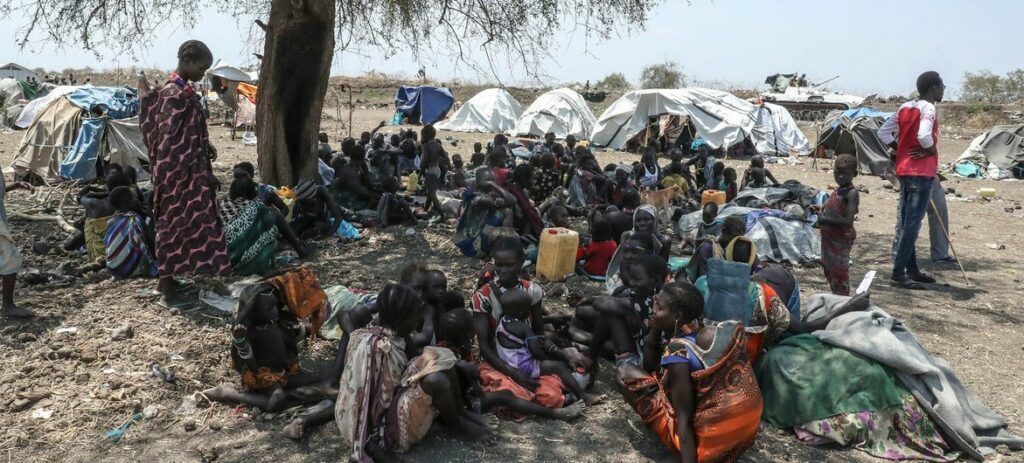
The International Humanitarian Partnership (IHP) played a critical role in supporting humanitarian operations in South Sudan by establishing six Light Base Camps (LBCs) across challenging locations in the Greater Upper Nile area.