Home » Operations » Adhbah Coordination Center

Adhbah Coordination Center

Years :
Incidents :
Country :

Description of the mission

Participants :
Requester :

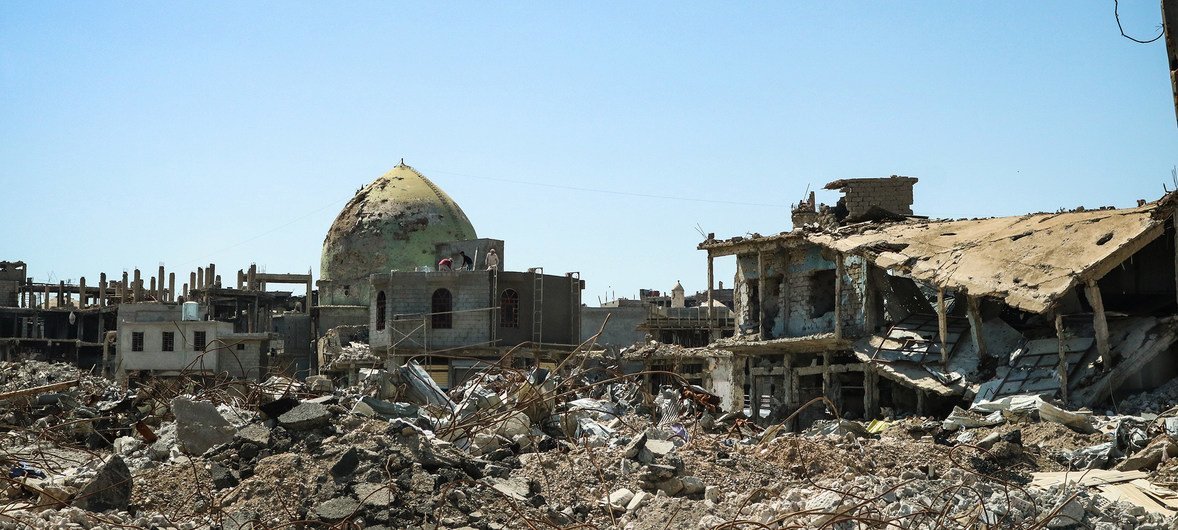
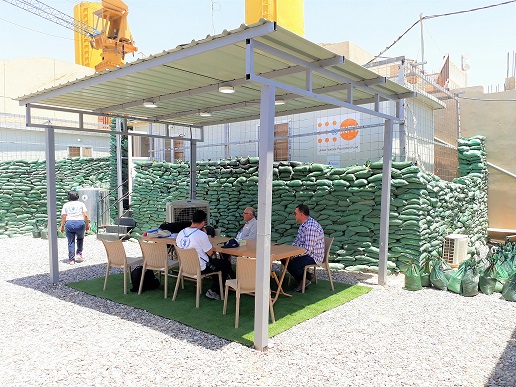
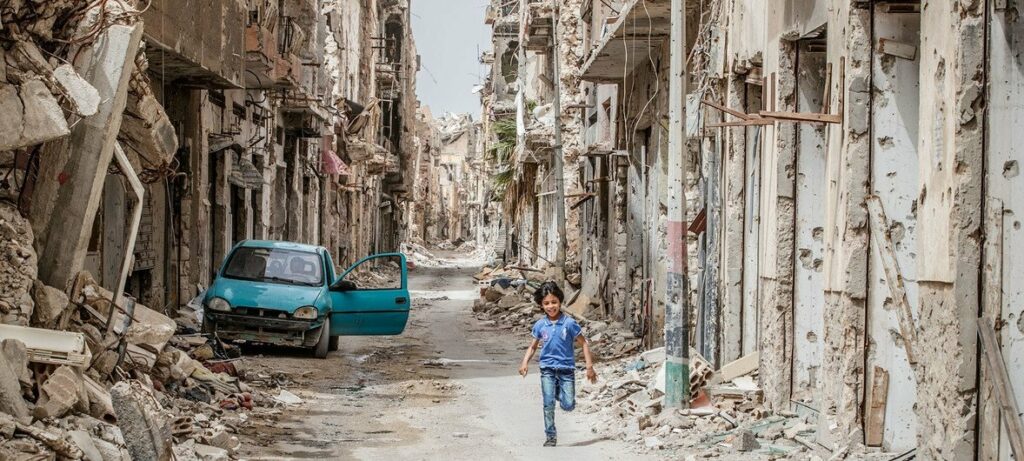
In 2017, the International Humanitarian Partnership (IHP) played a critical role in supporting humanitarian operations in Iraq following the conflict with ISIS. As many areas around Mosul were heavily impacted, with significant devastation and heightened humanitarian needs, the United Nations requested IHP’s assistance in establishing a humanitarian hub to provide overnight accommodation for personnel. This initiative helped address the significant travel challenges, as most humanitarian workers were based in Erbil, approximately 80 km from the affected areas. The four-hour round trip, exacerbated by security restrictions, severely limited operational efficiency.

In March 2017, IHP, along with the World Food Programme (WFP) and the United Nations Department of Safety and Security (UNDSS), conducted assessments to identify a suitable site for a temporary accommodation hub. After evaluating various options, a site in Adhbah, approximately 20 km from Mosul’s frontline, was selected. IHP provided refurbished caravans equipped with essential facilities, including showers, internet, and power, for up to nine guests. The hub, built with compliance to UN security standards, enabled UN staff to stay closer to operational sites, thus strengthening the humanitarian presence in Mosul.

The project was led by MSB (Sweden) and DEMA (Denmark) in partnership with WFP and supported by the governments of Sweden, Denmark, Luxembourg, and the Iraq Pooled Fund. The Adhbah hub significantly improved the coordination and delivery of aid to communities facing extreme humanitarian conditions in Mosul and surrounding areas.
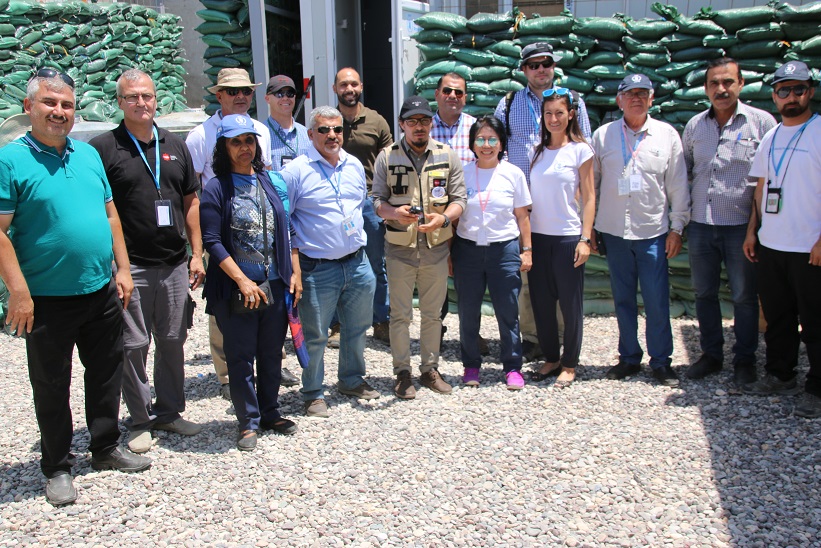
Cover Photo Credit: UNICEF/Sparks
Essential equipment supporting humanitarian success

Explore the critical equipment deployed during this humanitarian mission. From advanced medical supplies to innovative logistical solutions, each resource was meticulously selected to address urgent needs on the ground. These tools exemplify our commitment to delivering efficient, effective, and tailored support in the most challenging environments.

Other missions

Wabe Shabelle Flooding

In 2005, during the Wabe Shabelle flooding in Ethiopia, the International Humanitarian Partnership (IHP) provided essential ICT support to the United Nations Disaster Assessment and Coordination (UNDAC) team. IHP deployed communication specialists and equipment to establish reliable connectivity in the flood-affected areas, enabling efficient data sharing and coordination among humanitarian actors.

TRIPLEX 2002

In October 2002, the TRIPLEX exercise was held on the Danish island of Bornholm, bringing together international humanitarian actors for a large-scale disaster simulation. Organized by the International Humanitarian Partnership (IHP), the exercise provided a realistic training environment for over 200 participants, including UN agencies, EU Civil Protection teams, and NGOs. The scenario tested disaster assessments, coordination, and logistical support, with a focus on enhancing collaboration and interoperability among organizations. TRIPLEX 2002 showcased IHP’s ability to deploy support services such as base camps and communication systems, strengthening preparedness and coordination for future humanitarian emergencies.

Hurricane Hanna

During Hurricane Hanna in 2008, IHP provided ICT support to UNDAC in the Turks and Caicos Islands. As the storm caused extensive damage, IHP deployed satellite phones, laptops, and internet connectivity to enable effective communication and coordination of relief efforts. This critical support allowed for real-time assessments and helped streamline aid distribution, highlighting IHP's role in enhancing disaster response during major natural disasters like Hurricane Hanna.