Home » Operations » Cyclone Chapala

Cyclone Chapala

Years :
Incidents :
Country :

Description of the mission

Participants :
Requester :

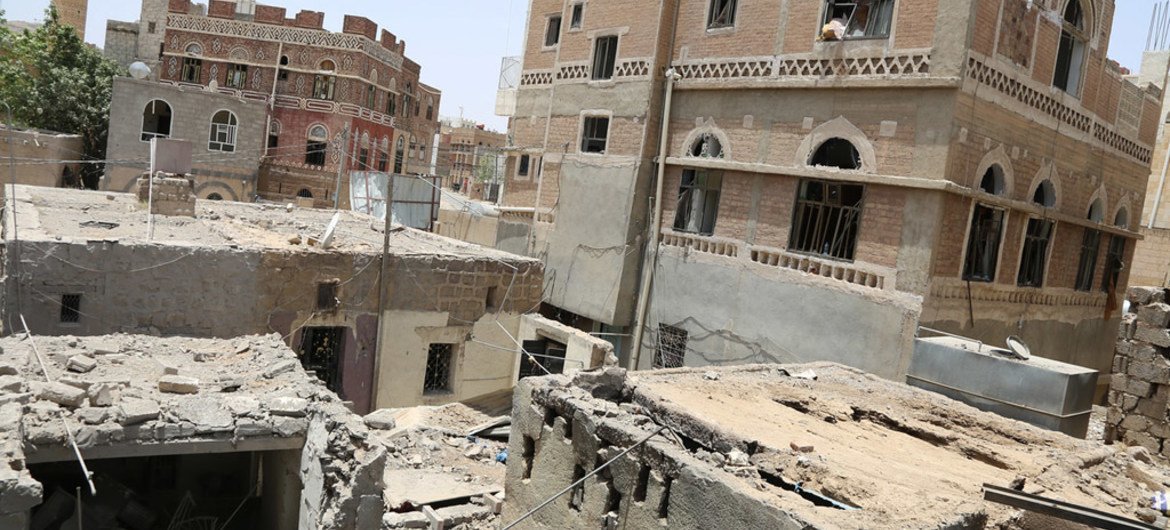
In 2015, in response to Cyclone Chapala, which impacted Yemen, Norway provided ICT support through the International Humanitarian Partnership (IHP) framework to the United Nations Disaster Assessment and Coordination (UNDAC) team. This deployment was part of a broader effort to improve communication and coordination in a region where infrastructure was heavily damaged by the cyclone. The IHP ICT support team’s role was to establish reliable communication systems, helping the UNDAC team facilitate the flow of information between humanitarian actors, local authorities, and international organizations involved in the disaster response.

This deployment underscored the importance of ICT in emergency operations, particularly in complex and challenging environments like Yemen, where communication networks were compromised by the cyclone’s destruction. The ICT team’s timely intervention was essential for ensuring that the UNDAC team could continue its mission of assessing the damage and coordinating relief efforts effectively.
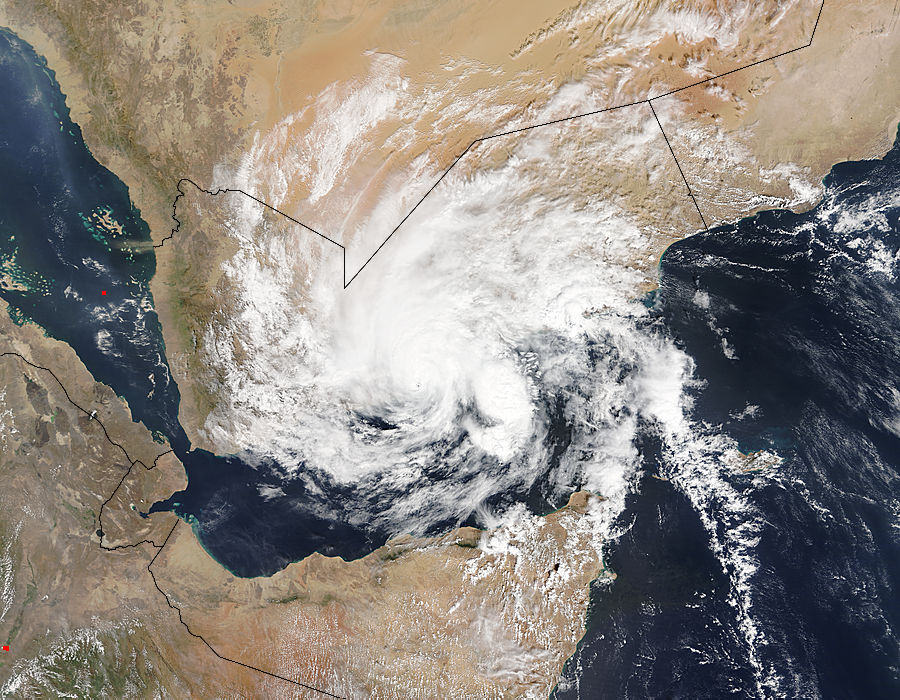
Photo Credit: NASA/LANCE/EOSDIS Rapid Response team

Cover Photo Credit: OCHA/Charlotte Cans

Essential equipment supporting humanitarian success

Explore the critical equipment deployed during this humanitarian mission. From advanced medical supplies to innovative logistical solutions, each resource was meticulously selected to address urgent needs on the ground. These tools exemplify our commitment to delivering efficient, effective, and tailored support in the most challenging environments.

Other missions

TRIPLEX 2008

In September 2008, the TRIPLEX exercise took place along the Swedish-Norwegian border near Charlottenberg and Magnor. Organized by the International Humanitarian Partnership (IHP), the simulation focused on a large-scale natural disaster scenario, bringing together humanitarian actors, UN agencies, and EU Civil Protection teams. Participants practiced critical response tasks, including coordination, assessments, and logistics, in a realistic cross-border setting. The exercise emphasized cooperation among diverse organizations and tested IHP support capacities, such as base camps and communication services. TRIPLEX 2008 provided a valuable training opportunity, enhancing preparedness and collaboration for effective responses to real-world humanitarian emergencies.

TRIPLEX 2002

In October 2002, the TRIPLEX exercise was held on the Danish island of Bornholm, bringing together international humanitarian actors for a large-scale disaster simulation. Organized by the International Humanitarian Partnership (IHP), the exercise provided a realistic training environment for over 200 participants, including UN agencies, EU Civil Protection teams, and NGOs. The scenario tested disaster assessments, coordination, and logistical support, with a focus on enhancing collaboration and interoperability among organizations. TRIPLEX 2002 showcased IHP’s ability to deploy support services such as base camps and communication systems, strengthening preparedness and coordination for future humanitarian emergencies.

Burkina Faso Floods

In response to the 2009 Burkina Faso floods, IHP supported UNDAC by deploying ICT modules and experts to establish reliable communication networks. This support enabled coordinated relief operations and efficient needs assessments, ensuring timely assistance to flood-affected communities. The mission underscored IHP’s role in enhancing disaster response infrastructure.