Home » Operations » Monrovia ETU & Camp

Monrovia ETU & Camp

Years :
Incidents :
Country :

Description of the mission

Participants :
Requester :

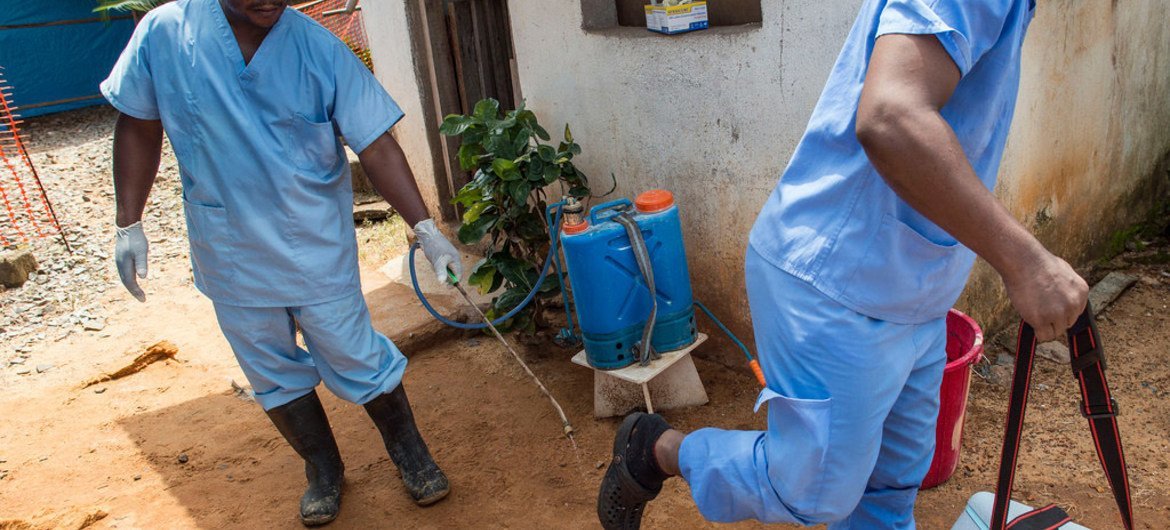
According to the World Health Organization (WHO), more than 9,200 confirmed, probable, and suspected cases of Ebola Virus Disease (EVD) were reported across seven countries by mid-October 2014. These countries included Guinea, Liberia, Nigeria, Senegal, Sierra Leone, Spain, and the United States, with the death toll reaching 4,555 by October 19. To support efforts in combating the outbreak, the International Humanitarian Partnership (IHP) deployed two cargo aircraft from Stockholm and a team of support staff over the weekend of October 18-19.

At the request of WHO, IHP provided operational support in Liberia and Guinea, focusing on improving the safety and well-being of medical and humanitarian personnel. The deployment, led by experts from the Swedish Civil Contingencies Agency (MSB) and the Danish Emergency Management Agency (DEMA), aimed to enhance living and working conditions for aid teams in Monrovia and beyond.
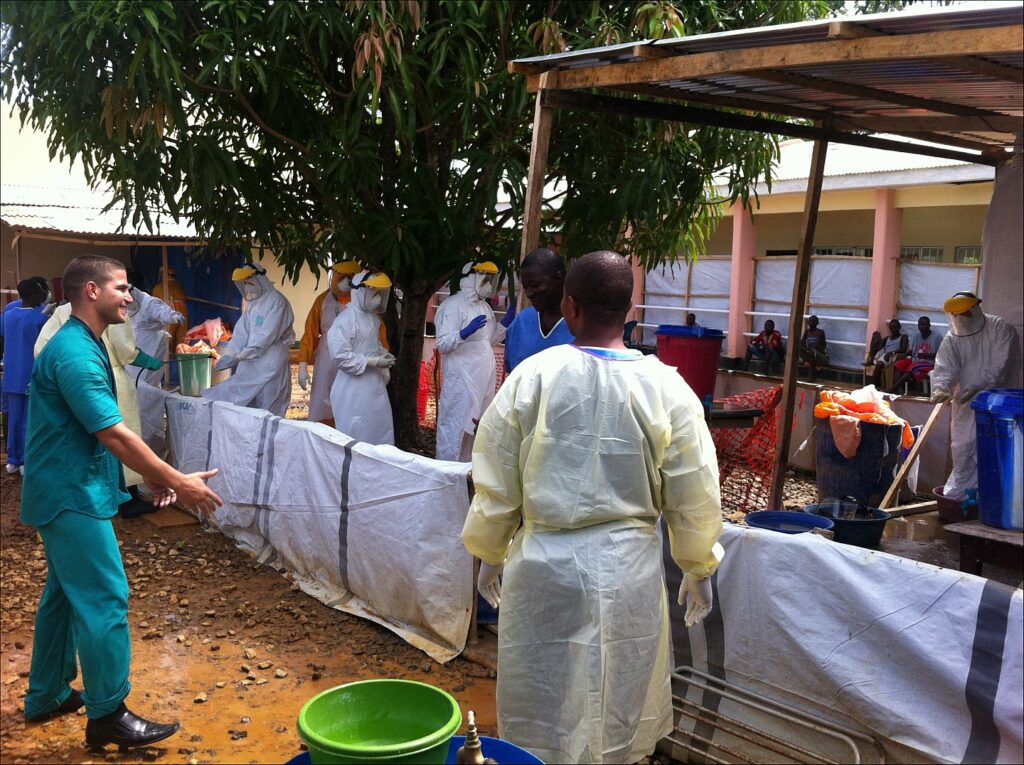
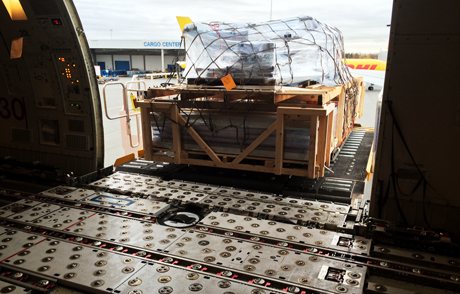
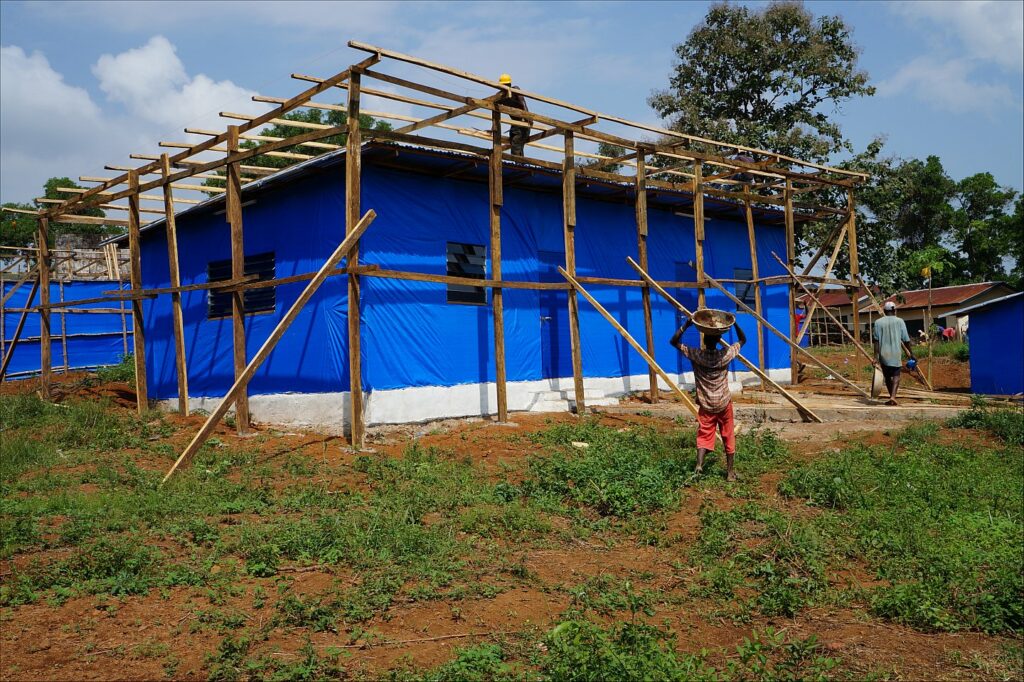
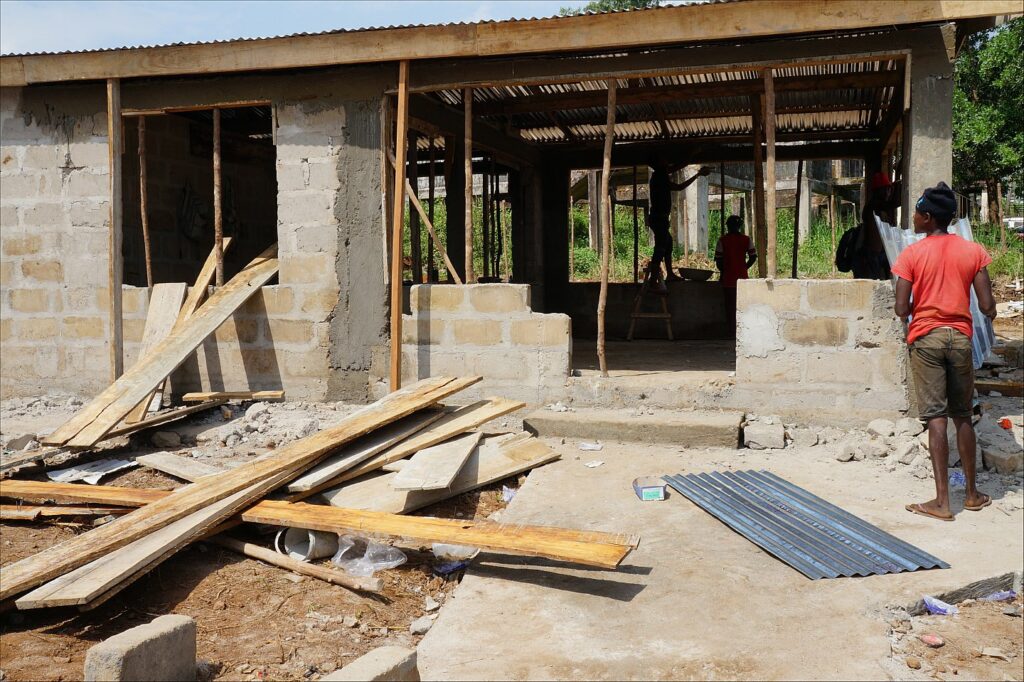
The IHP response in Liberia adopted a two-pronged approach. First, it improved living conditions by providing prefabricated housing, logistics support, a small infirmary for minor injuries, and two isolation cells for suspected Ebola cases. Second, it enhanced working conditions at five Ebola Treatment Units (ETUs) through the establishment of waiting areas, dressing rooms, and offices, ensuring safer and more effective environments for medical staff.

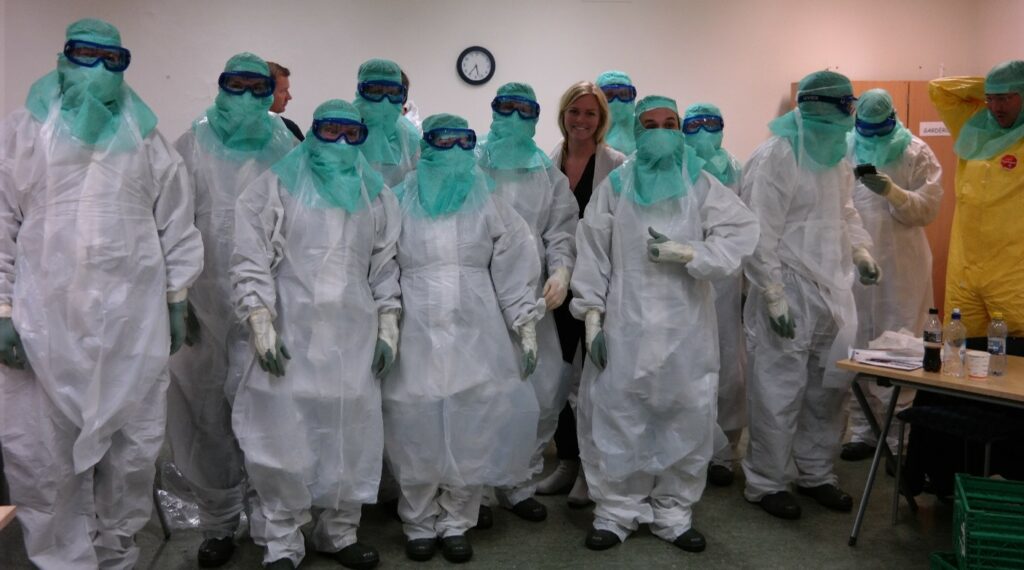
The IHP team, led by Jesper Folkesson (MSB), began implementation immediately upon arrival, thanks to thorough preparations, including pre-deployment training. Folkesson emphasized the mission’s objective: “Our task is to ensure that medical teams in Liberia have the best possible conditions to provide effective care.”

Cover Photo Credit: UNMIL/Staton Winter
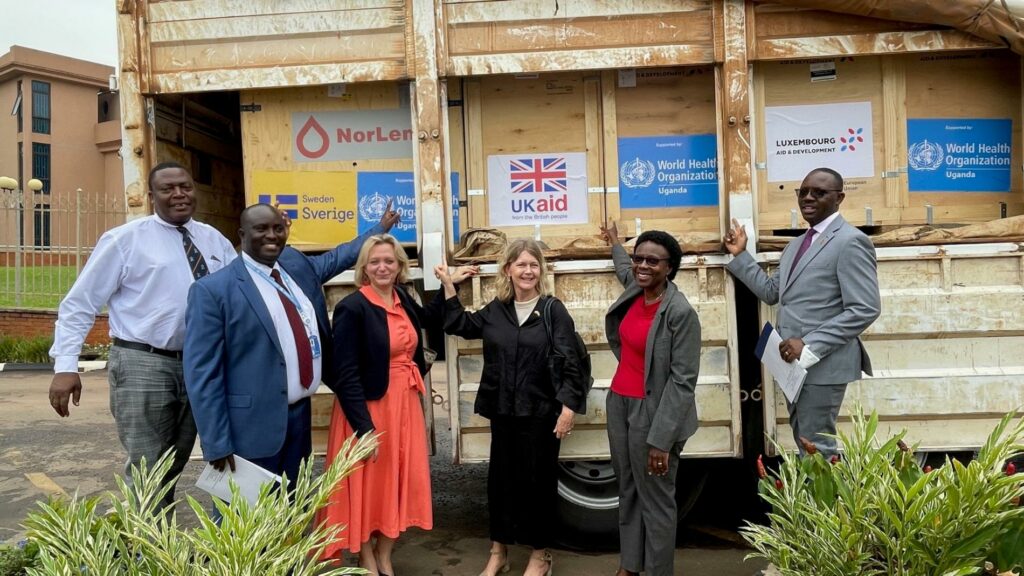
Essential equipment supporting humanitarian success

Explore the critical equipment deployed during this humanitarian mission. From advanced medical supplies to innovative logistical solutions, each resource was meticulously selected to address urgent needs on the ground. These tools exemplify our commitment to delivering efficient, effective, and tailored support in the most challenging environments.

Other missions

Lebanon War

During the 2006 Lebanon War, the International Humanitarian Partnership (IHP) provided vital logistics support to the World Food Programme (WFP). IHP deployed experts to assist in coordinating and streamlining the delivery of humanitarian aid amidst complex and rapidly changing conditions.

Hurricane Dean

Following Hurricane Dean's impact on Belize in 2007, the International Humanitarian Partnership (IHP) deployed Finland's ICT support module to assist the UNDAC team. This deployment provided essential communication and coordination capabilities, ensuring effective response efforts and supporting the recovery process in the affected areas.

TRIPLEX 1997

The first-ever TRIPLEX exercise took place in 1997 in the United Kingdom, marking the beginning of a pioneering initiative in multilateral humanitarian preparedness. Organized by the International Humanitarian Partnership (IHP), the inaugural TRIPLEX focused on testing and enhancing coordination among humanitarian actors in a simulated emergency environment. Bringing together IHP member organizations and international partners, the exercise laid the foundation for what would become a cornerstone of civilian-led humanitarian response training. It set a precedent for future exercises, emphasizing collaboration, interoperability, and the practical application of skills in complex crisis scenarios.