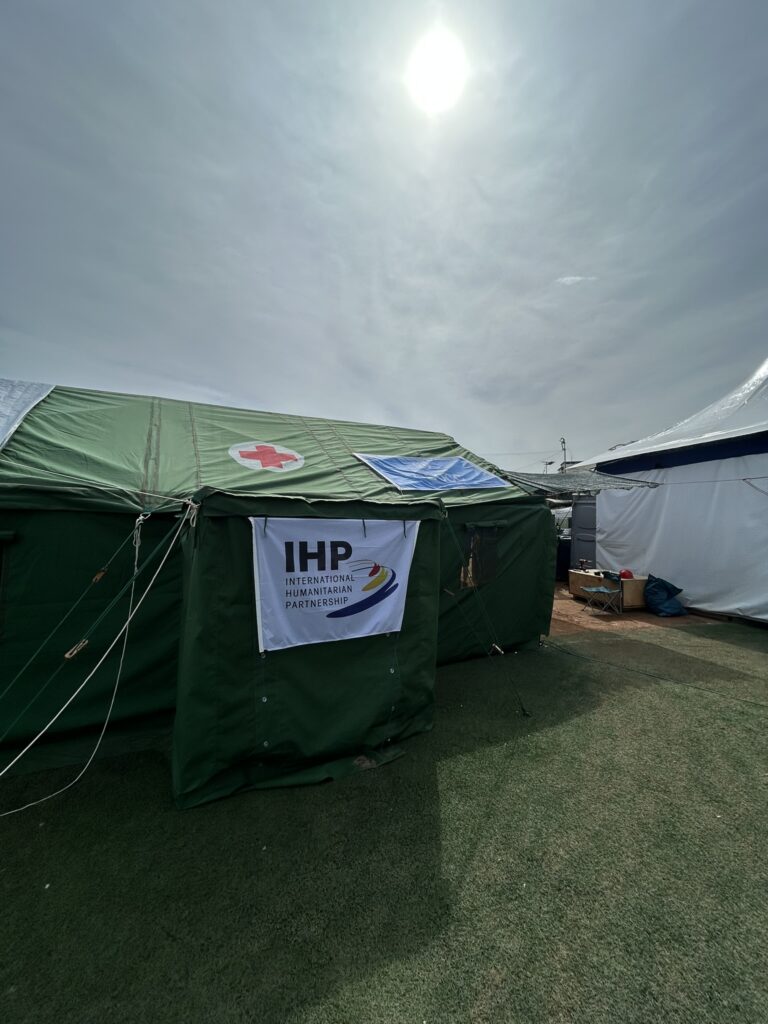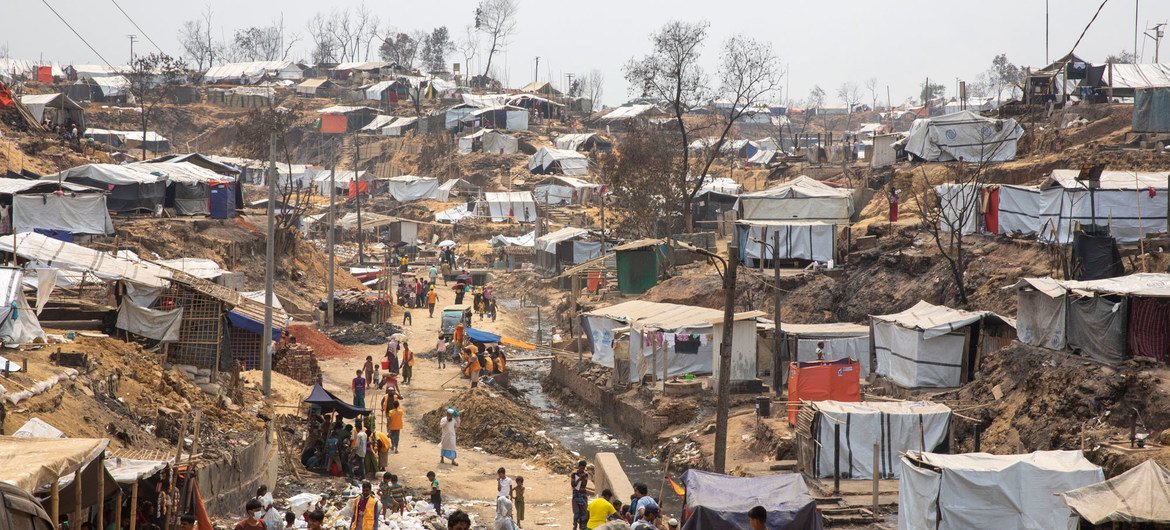
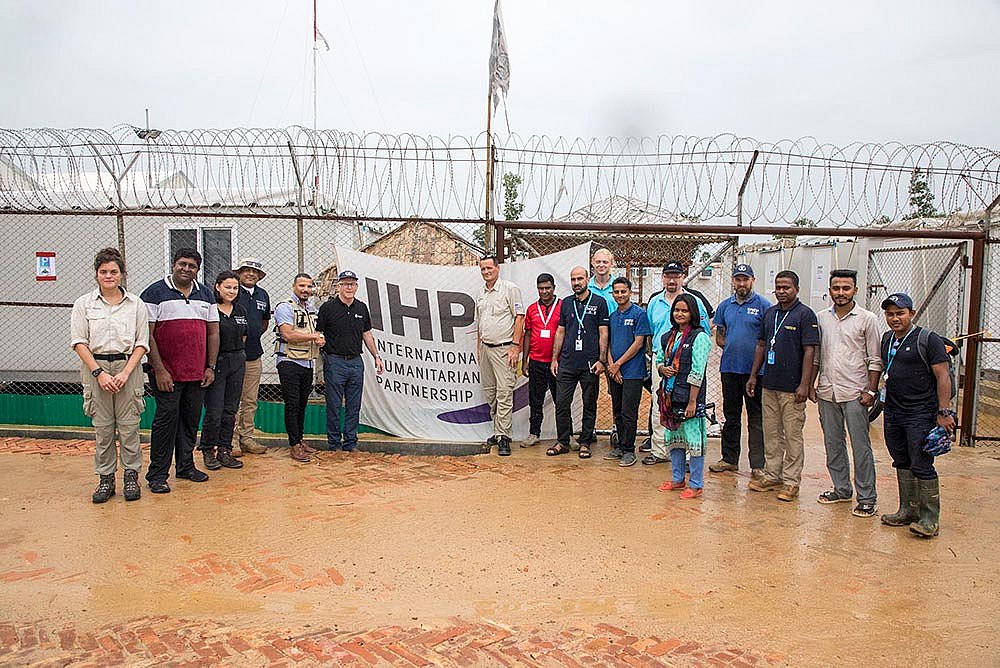
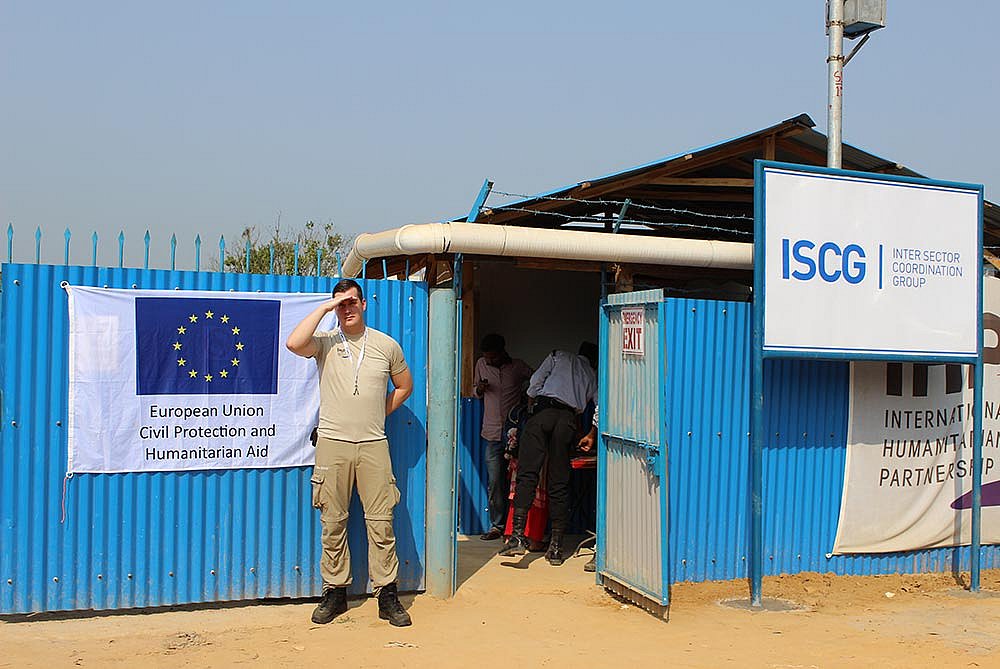
In response to the 2017 Rohingya refugee crisis in Bangladesh, the International Humanitarian Partnership (IHP) established critical coordination hubs to support humanitarian operations for the hundreds of thousands of Rohingya refugees who fled violence in Myanmar. The facilities, set up in coordination with the International Organization for Migration (IOM) and World Food Programme (WFP), provided essential office and meeting spaces for around 50 humanitarian workers at sites near Cox’s Bazar, such as Kutupalong and Nhila. These hubs were crucial in improving the working conditions and coordination capacities for various UN agencies and humanitarian organizations engaged in the response, facilitating more efficient planning, information sharing, and resource allocation.
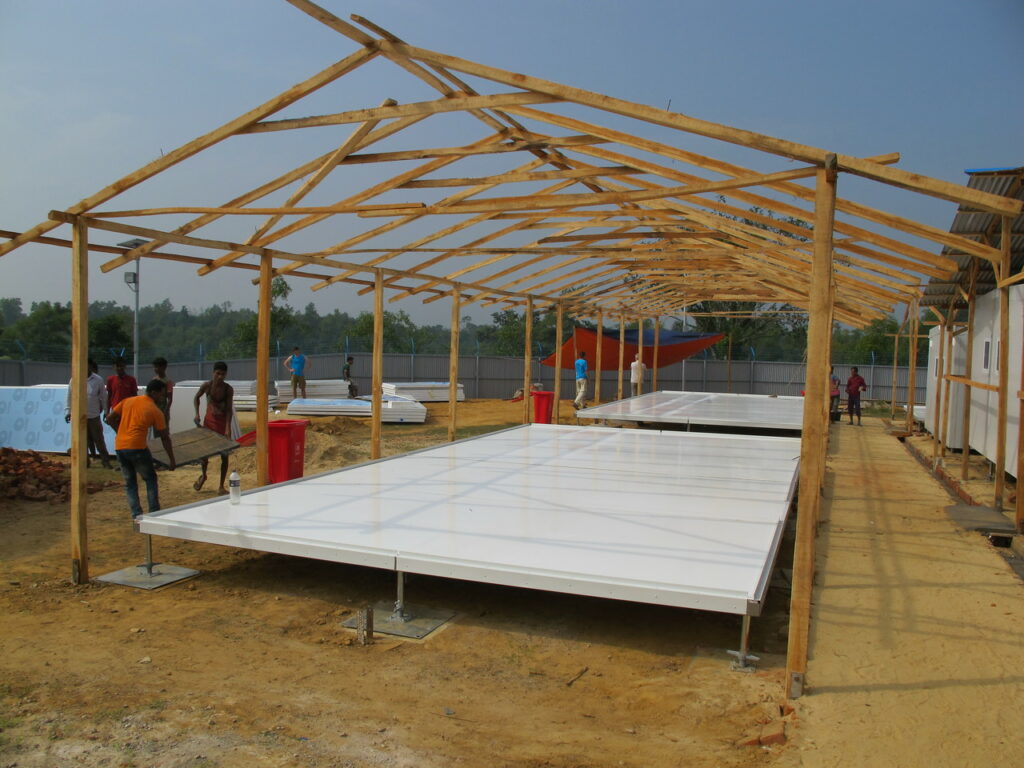
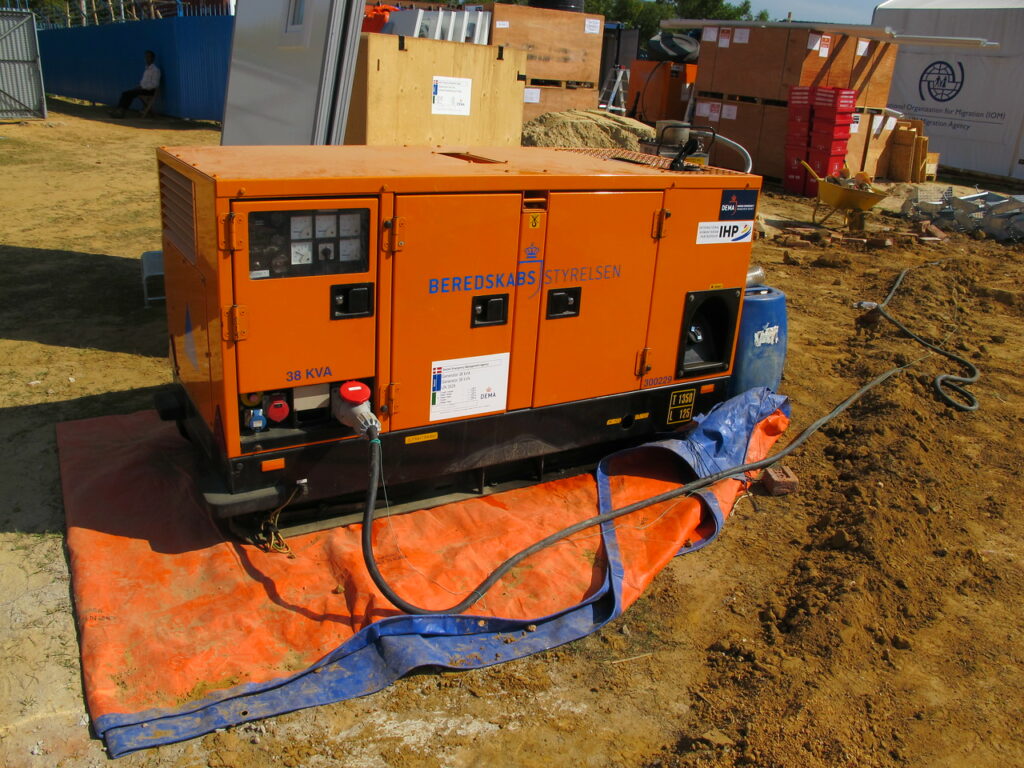
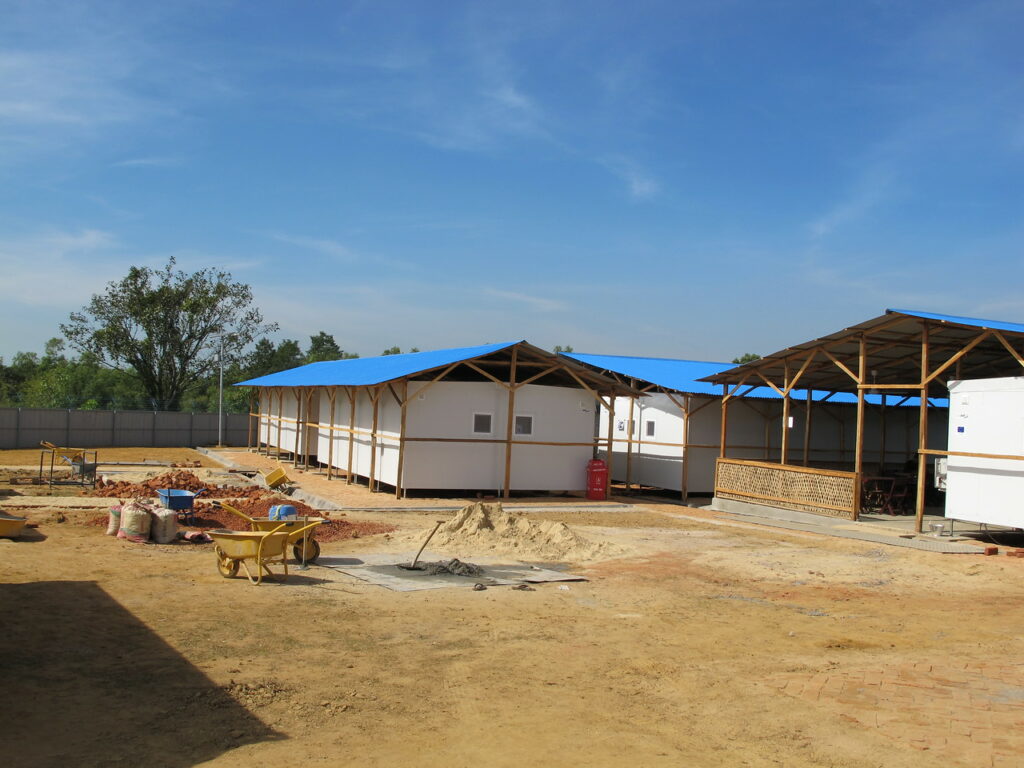
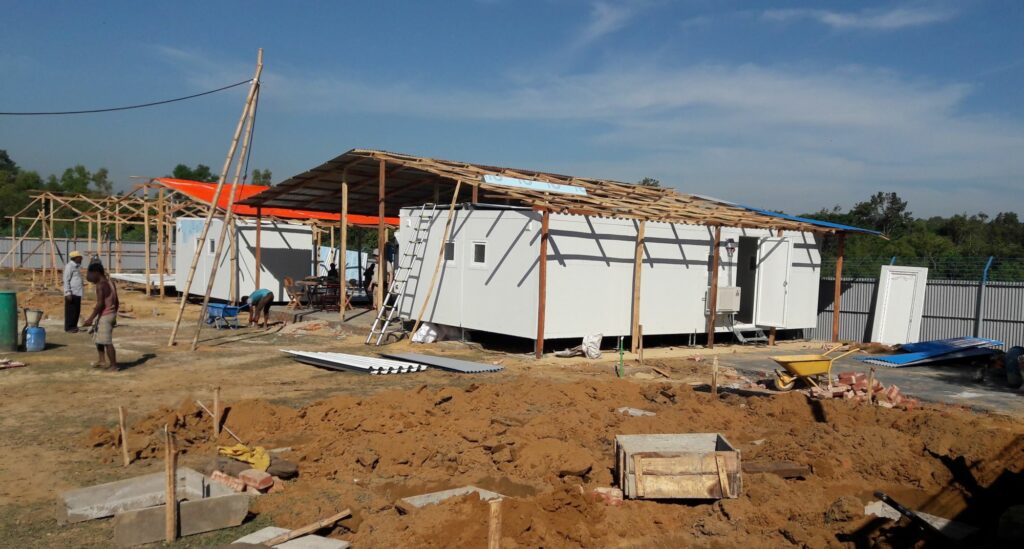
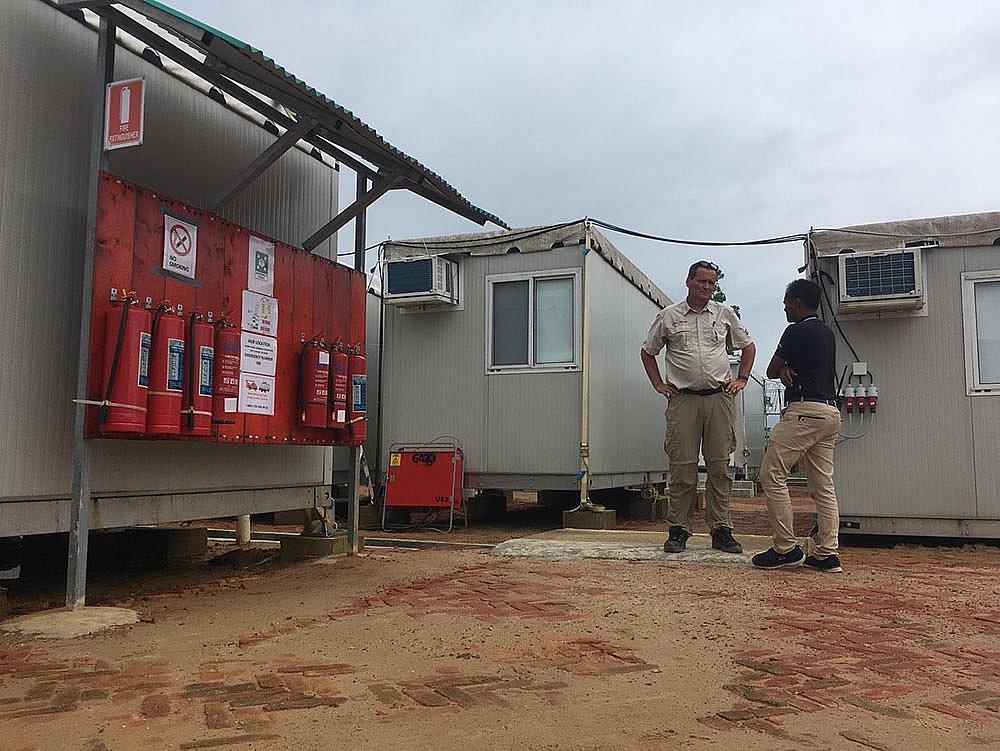
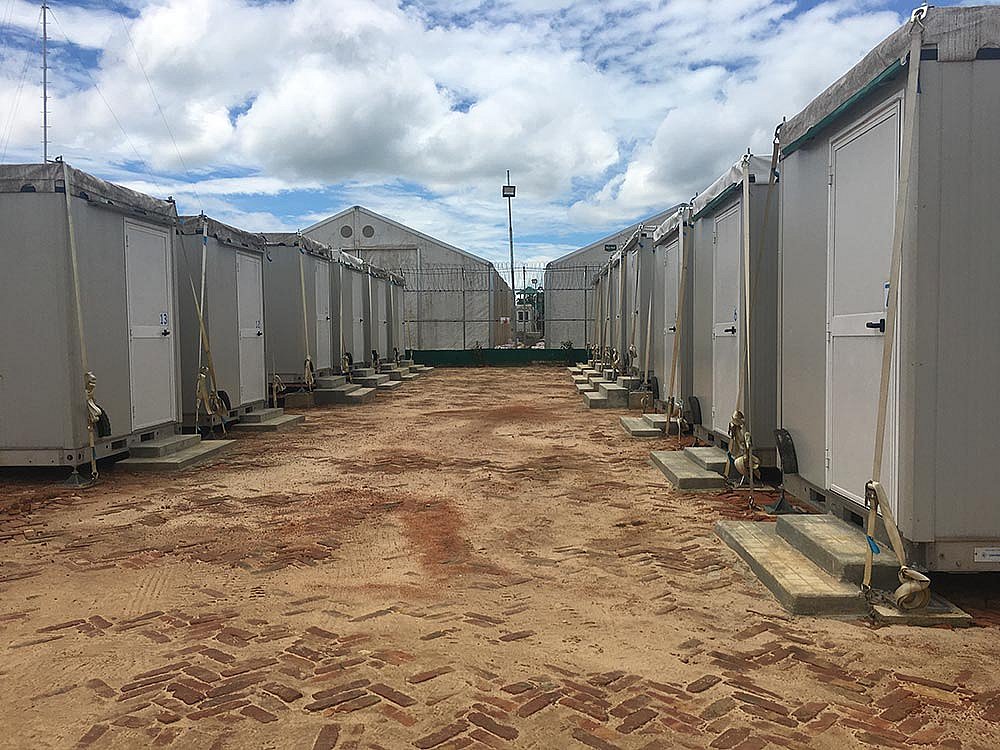
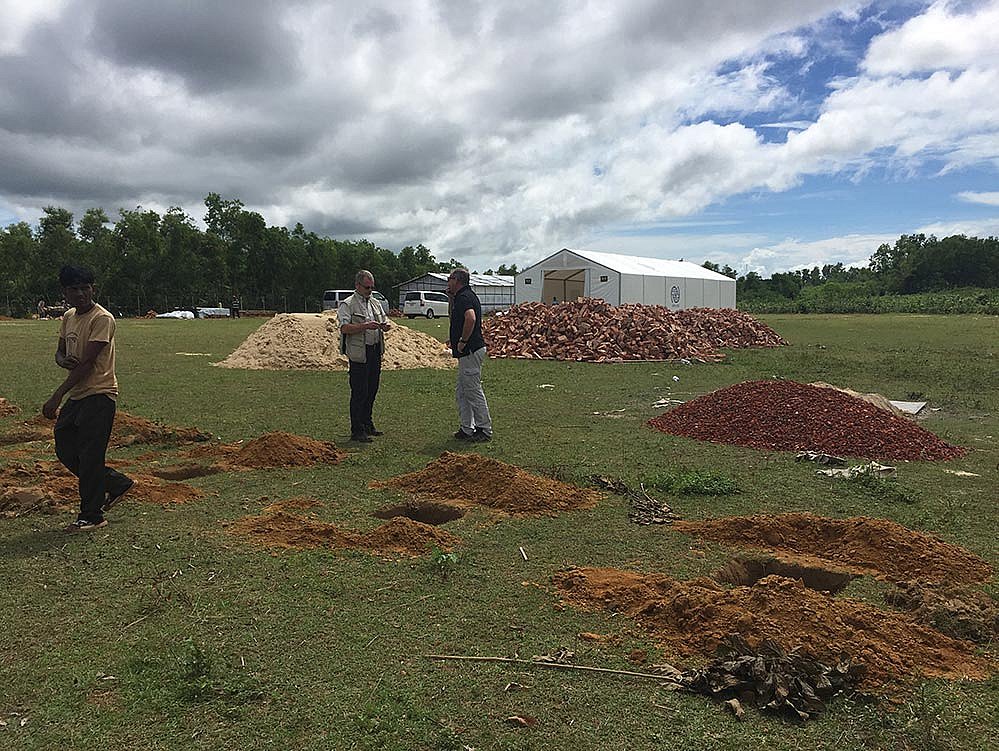
The hubs were equipped with a mix of prefabricated structures, tents, and fixed construction to withstand the monsoon weather, enabling field teams to operate closer to affected areas rather than from Cox’s Bazar. This shift not only reduced travel times by 3-4 hours per day but also enhanced coordination and safety for relief workers, as well as improved efficiency in implementing and monitoring relief activities. The Kutupalong hub, handed over to WFP in September 2018, became an operational base for the Site Maintenance Engineering Project (SMEP) and other organizations, fostering closer collaboration and quicker response capabilities.
Beyond immediate logistical benefits, the IHP hubs also created space for capacity-building efforts among the Rohingya population, allowing for skill training and strengthening relationships between humanitarian actors and local communities. This approach marked a significant enhancement in the humanitarian community’s ability to respond effectively to the ongoing needs within the Rohingya settlements, setting a foundation for more sustainable, field-oriented operations.
Cover Photo Credit: IOM/Mashrif Abdullah Al