Home » Operations » Northwest Syria Assessment

Northwest Syria Assessment

Years :
Incidents :
Country :

Description of the mission

Participants :
Requester :

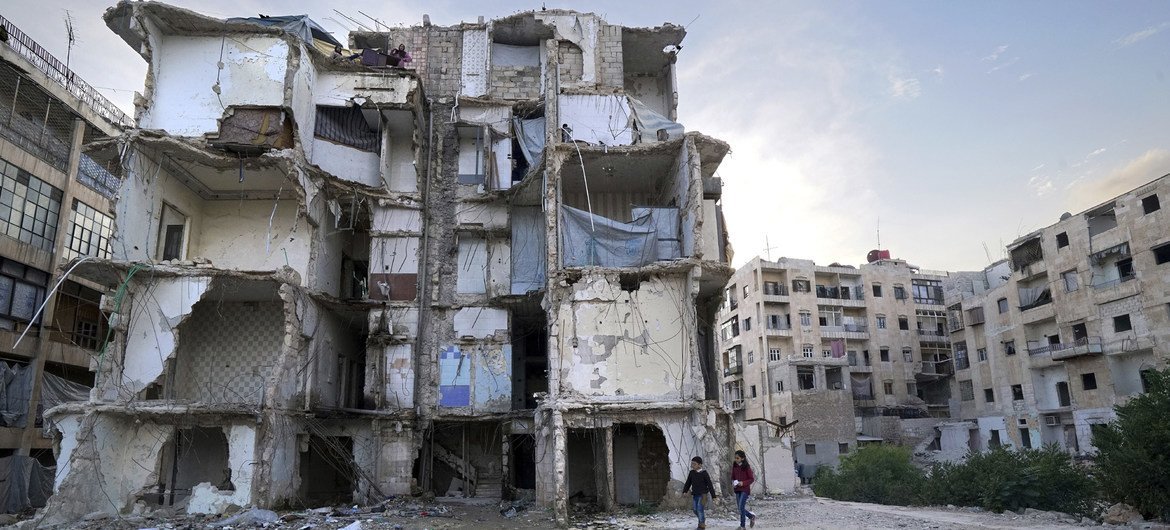
The ongoing crisis in Northern Syria, particularly in and around Idlib, has reached critical levels. With escalating clashes, many NGOs and international NGOs (INGOs) are working tirelessly to provide relief to the affected population. However, the intensified conflict has severely impacted infrastructure, leaving aid workers with few facilities to operate effectively and reside safely in Northwest Syria (NW Syria). In light of these challenges, OCHA’s Emergency Services Branch (ESB) reached out to the International Humanitarian Partnership (IHP) to explore the possibility of providing critical infrastructure support for the humanitarian community.

The primary concern raised by OCHA was the urgent need for infrastructure support for NGOs and INGOs operating in the region. Specifically, there was a request to establish base camps either inside Turkey or within Syria itself, to enable humanitarian workers to perform their roles securely. Simultaneously, the humanitarian community was also considering the need for warehousing (Logistics Cluster) and medical facilities (Emergency Medical Teams – EMT) to strengthen the response. The request was marked as urgent, reflecting the dire conditions on the ground.

In response to OCHA’s request, IHP initiated a mission aimed at gathering key information regarding the needs and requirements in Northern Syria. This mission sought to assess the feasibility of providing support, including infrastructure for NGOs and INGOs operating in the region.

The mission’s overall goal was to gain a clear and comprehensive understanding of the operational environment and explore whether IHP could deliver an effective and accurate response to meet the identified needs.

Cover Photo Credit: UNHCR/Susan Schulman
Essential equipment supporting humanitarian success

Explore the critical equipment deployed during this humanitarian mission. From advanced medical supplies to innovative logistical solutions, each resource was meticulously selected to address urgent needs on the ground. These tools exemplify our commitment to delivering efficient, effective, and tailored support in the most challenging environments.

Other missions

Georgetown Floods

In February 2005, during the Georgetown floods in Guyana, the International Humanitarian Partnership (IHP) provided critical ICT support to the United Nations Disaster Assessment and Coordination (UNDAC) team. IHP deployed communication equipment and technical expertise to establish reliable information systems, ensuring seamless coordination among humanitarian agencies.

Cyclone Idai

In response to the devastating impact of Cyclone Idai in March 2019, the International Humanitarian Partnership (IHP) was quickly activated to support the UN Disaster Assessment and Coordination (UNDAC) team deployed by OCHA.

TRIPLEX 2000

In May 2000, the TRIPLEX exercise was conducted in the Skövde area of Sweden, marking another milestone in the International Humanitarian Partnership's (IHP) efforts to enhance global disaster response capabilities. This large-scale simulation brought together humanitarian organizations, UN agencies, and EU Civil Protection teams to practice coordination, assessments, and logistical support in a complex emergency scenario. Participants engaged in realistic disaster response activities, including the deployment of IHP support services such as base camps and communication facilities. TRIPLEX 2000 emphasized collaboration and interoperability, providing a vital training platform to strengthen preparedness for future humanitarian challenges.