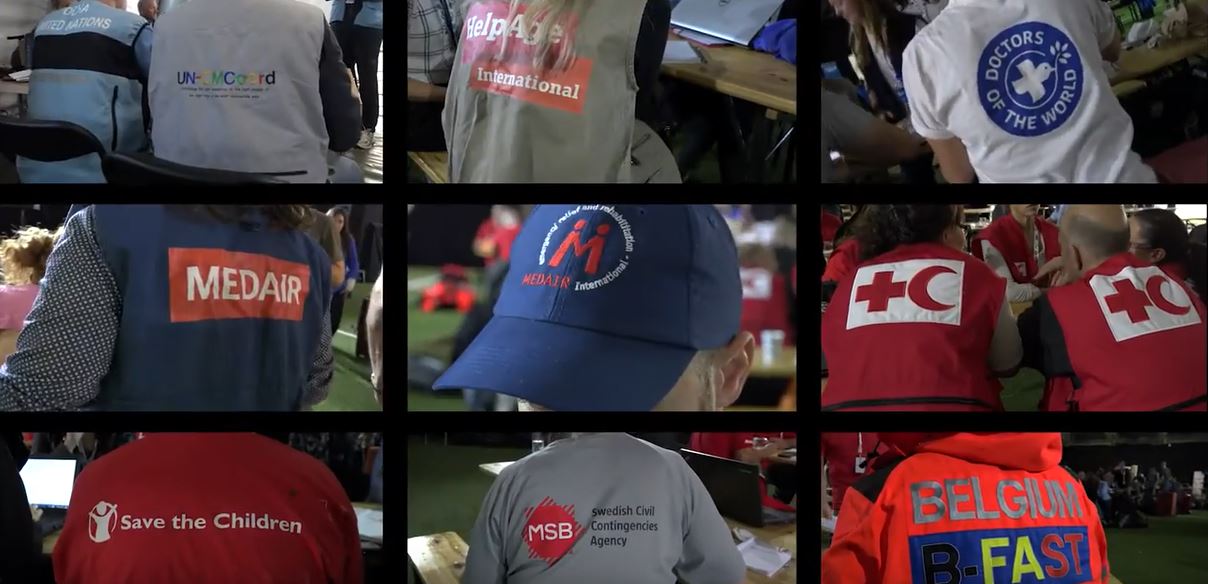
The TRIPLEX exercise is a flagship event organized by the International Humanitarian Partnership (IHP). As one of the largest civilian-led full-scale humanitarian simulation exercises, it enables a diverse range of actors to practice response mechanisms in realistic disaster scenarios. TRIPLEX is a platform for fostering coordination, improving operational readiness, and testing the interoperability of humanitarian agencies.
Overview of TRIPLEX
TRIPLEX is designed to:
- Enhance the coordination and cooperation between humanitarian actors.
- Strengthen the operational capacities of IHP and its partners.
- Provide a realistic training environment to practice assessments, response planning, and logistical support.
The exercise involves IHP members alongside partners such as United Nations agencies, the European Commission, non-governmental organizations, and other international actors. It focuses on sudden-onset disasters, offering participants the opportunity to simulate real-world challenges in a safe and controlled environment.
TRIPLEX 2013: A Collaborative Effort
From September 28 to October 4, 2013, the Danish-German border region hosted TRIPLEX 2013. This iteration of the exercise brought together over 200 participants from 35 international disaster management and humanitarian organizations, including the United Nations and the European Commission. The event was co-financed by the European Commission Civil Protection Mechanism and supported by governmental organizations from Denmark, Estonia, Finland, Germany, Norway, Sweden, and the United Kingdom.
The exercise scenario involved a powerful cyclone striking two fictional neighboring countries, Nordland and Sydland. The aftermath of the disaster was devastating:
- Nearly one million people affected.
- Over 5,000 individuals dead or missing.
- 50,000 in urgent need of shelter, water, and food.
Participants were tasked with responding to this complex humanitarian crisis, including evacuating affected populations, supporting health services, housing internally displaced persons (IDPs), and repairing critical infrastructure.
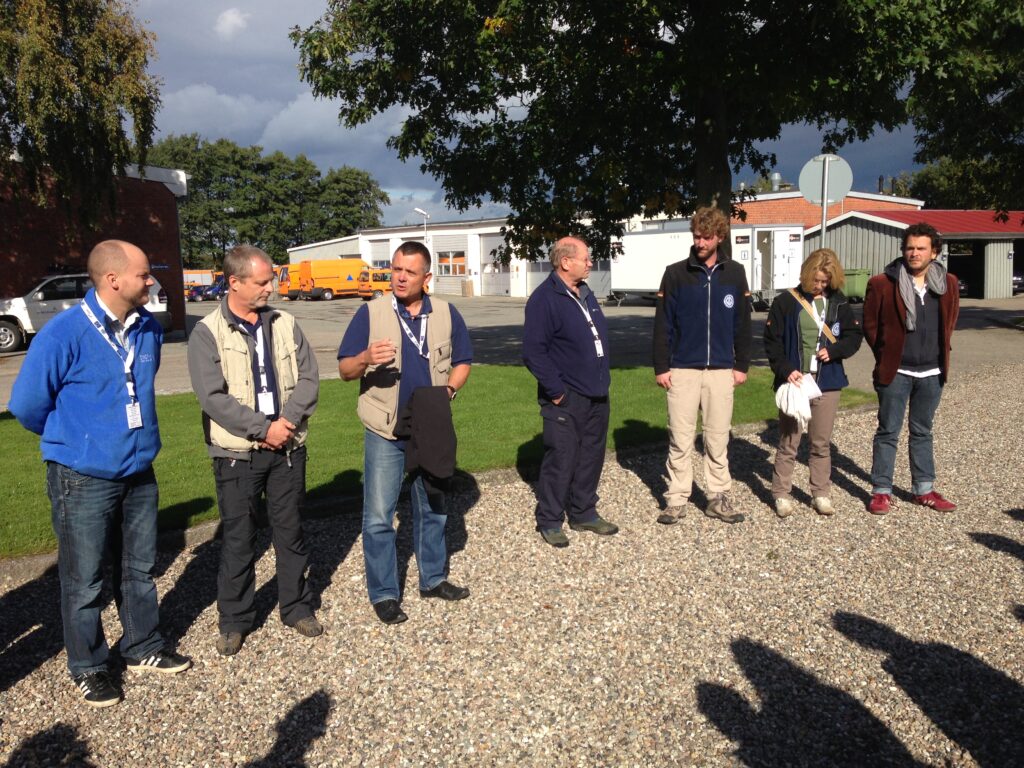
A Comprehensive Simulation
TRIPLEX 2013 began with a pre-exercise workshop, where participants were introduced to one another, presented their organizational mandates, and received training on key aspects of humanitarian response. The three-day simulation then unfolded, featuring:
- Deployment of United Nations Disaster Assessment and Coordination (UNDAC) teams and other response groups.
- Establishment of “clusters” for sector-specific coordination.
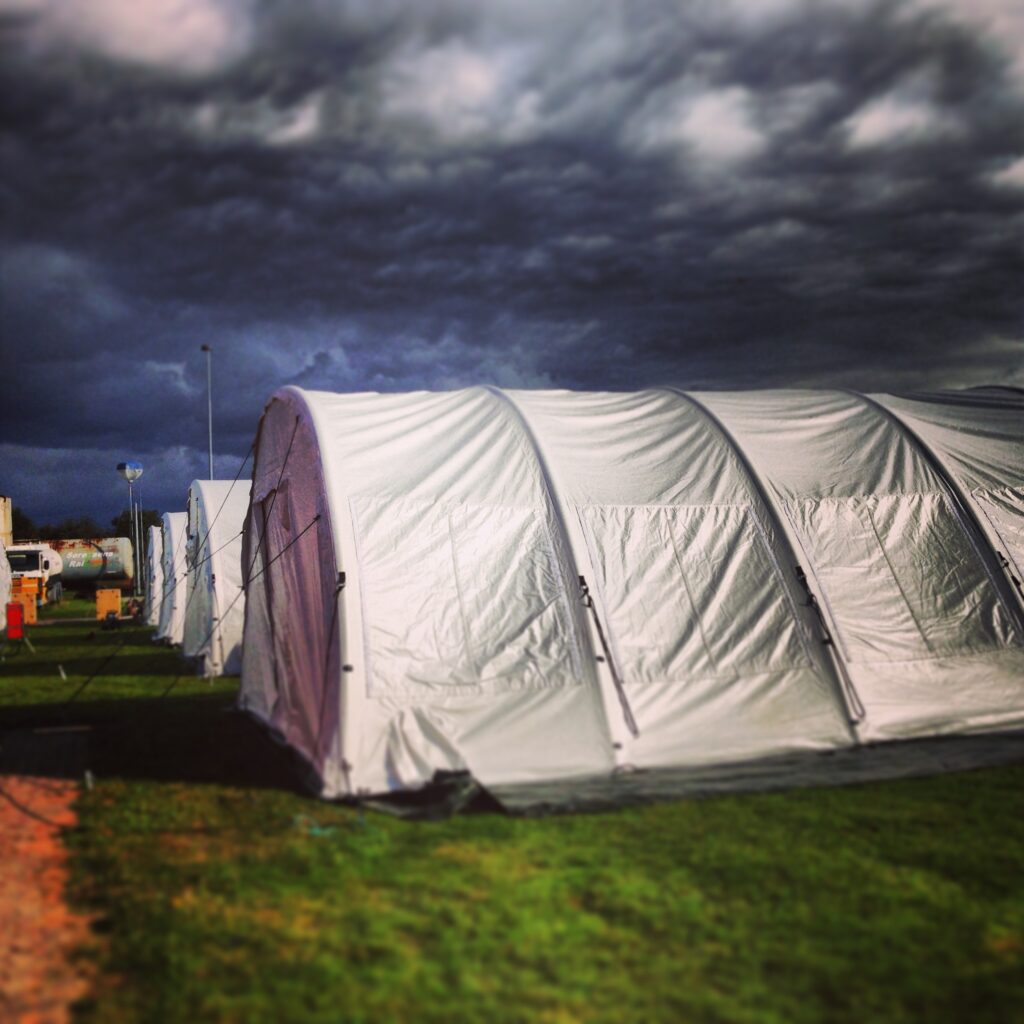
- Setup of Base Camp facilities managed by IHP.
- Provision of IHP support services, including logistics, communication, and coordination assistance.
At the heart of the response was the On-Site Operations Coordination Centre (OSOCC), jointly operated by UN and EU coordination experts. This hub ensured seamless information sharing, coordination of aid operations, and alignment of resources to meet urgent needs.
Goals and Outcomes
The primary objectives of TRIPLEX 2013 were:
- Training IHP members and partners in coordination, assessment, and response.
- Exercising the use of IHP support capacities and services.
- Improving cooperation and joint response planning among humanitarian actors.
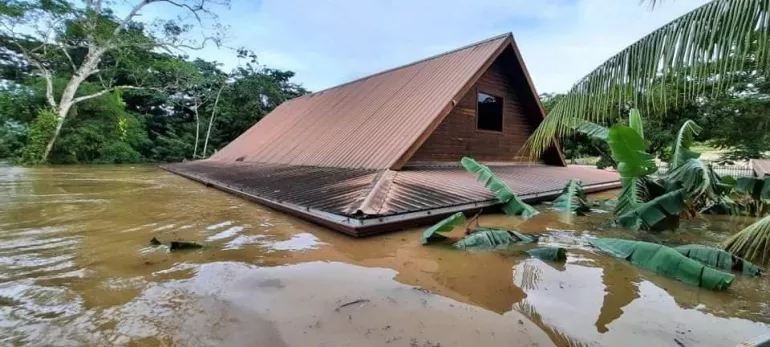
The scenario, centered on a flooding disaster caused by a cyclone, affected both rural and urban areas, testing participants’ ability to address diverse and evolving challenges. The exercise emphasized collaboration, fostering a shared understanding of mandates, roles, and responsibilities across organizations.
Conclusion
TRIPLEX 2013 showcased the importance of preparedness, partnership, and practice in humanitarian response. By simulating a complex emergency, it provided participants with invaluable experience in coordination, planning, and logistical support. As one of the world’s largest civilian-led coordination exercises, TRIPLEX continues to play a vital role in strengthening global humanitarian capacities and ensuring more effective and efficient responses to future crises.