Home » Operations » Gorkha Earthquake

Gorkha Earthquake

Years :
Incidents :
Country :

Description of the mission

Participants :
Requester :

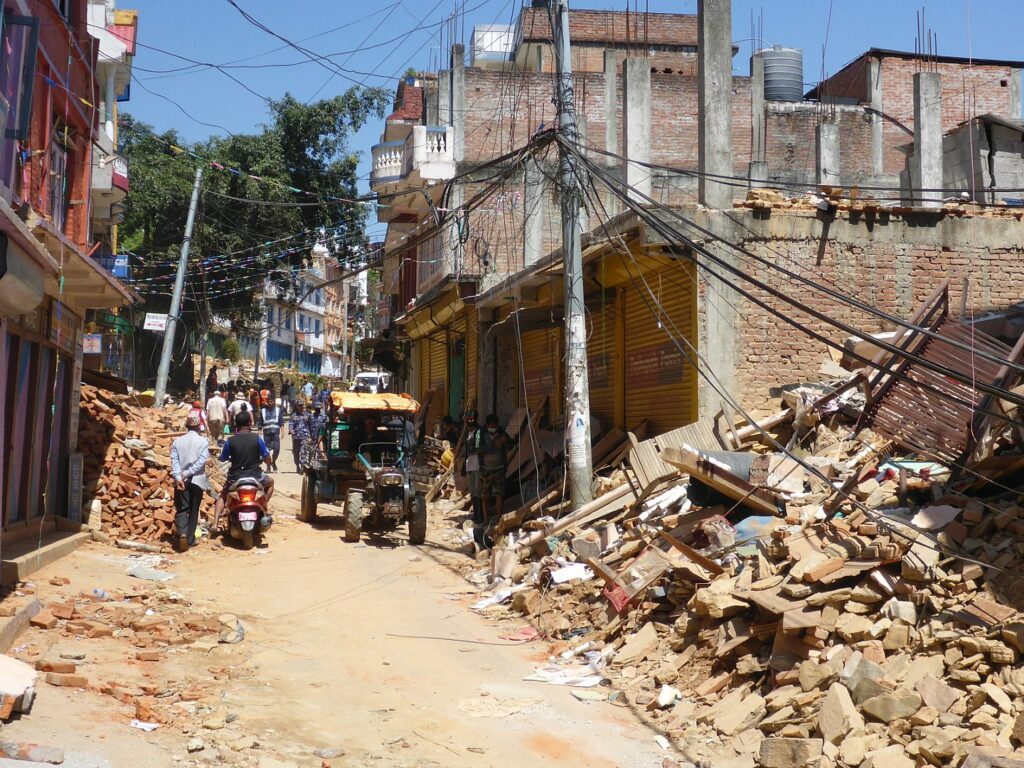
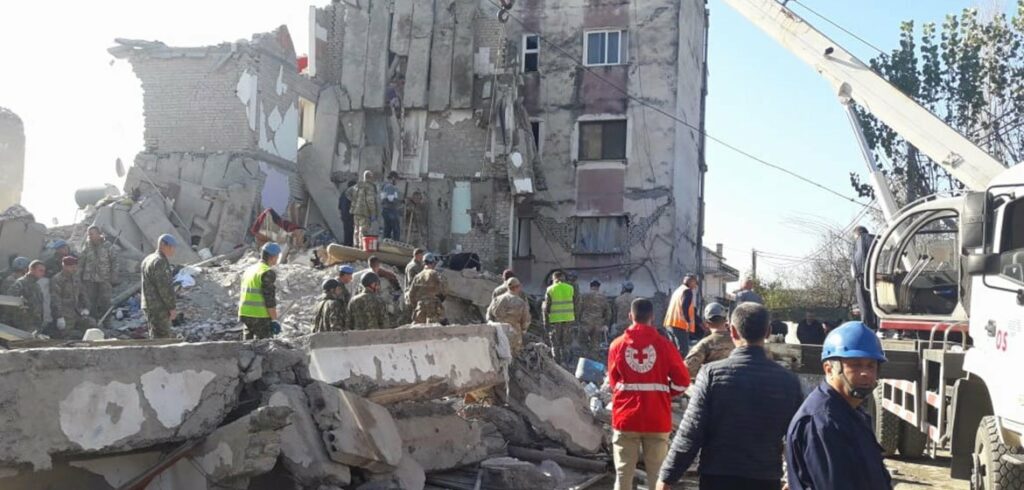
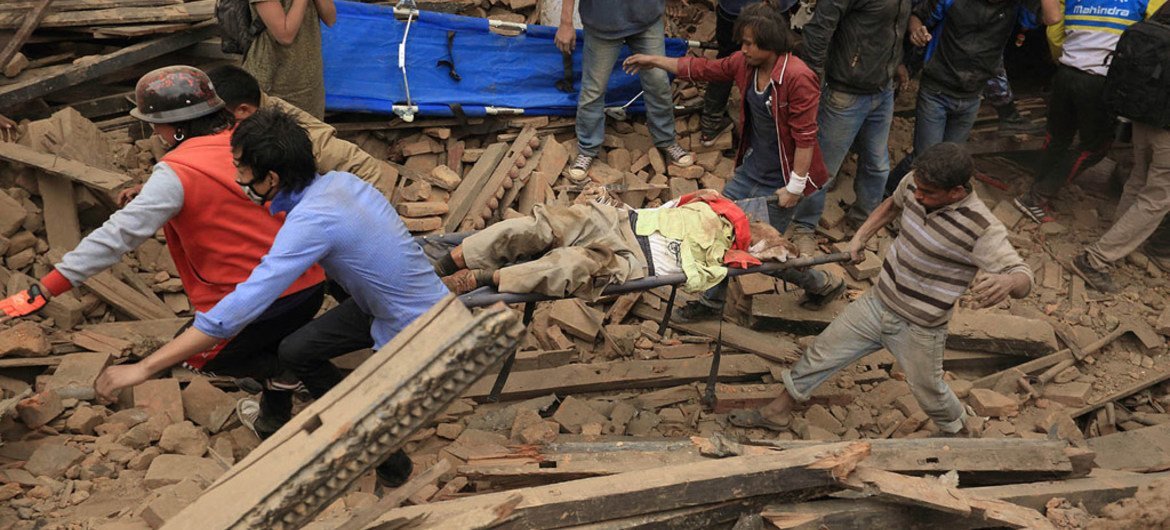
A large scale 7.8 magnitude earthquake struck northwest of Nepal’s capital Kathmandu on 25 Apr 2015, killing thousands of people, destroying buildings and infrastructure. IHP was requested by the UN Office for Coordination of Humanitarian Affairs (UNOCHA) to deploy staff and assets to support the critical relief efforts.   

The shocks of the earthquake was felt in the surrounding countries and more than two dozen people were also reported killed in India, China and Bangladesh. The Nepalese Government has reported over 2,200 deaths and over 5,800 injured people as of 26 Apr. These figures are expected to increase as more information becomes available. The damage to roads, buildings and other infrastructure is severe. A few hours after the earthquake the Government officially requested for international assistance, especially in terms of Search and Rescue and medical capacity.

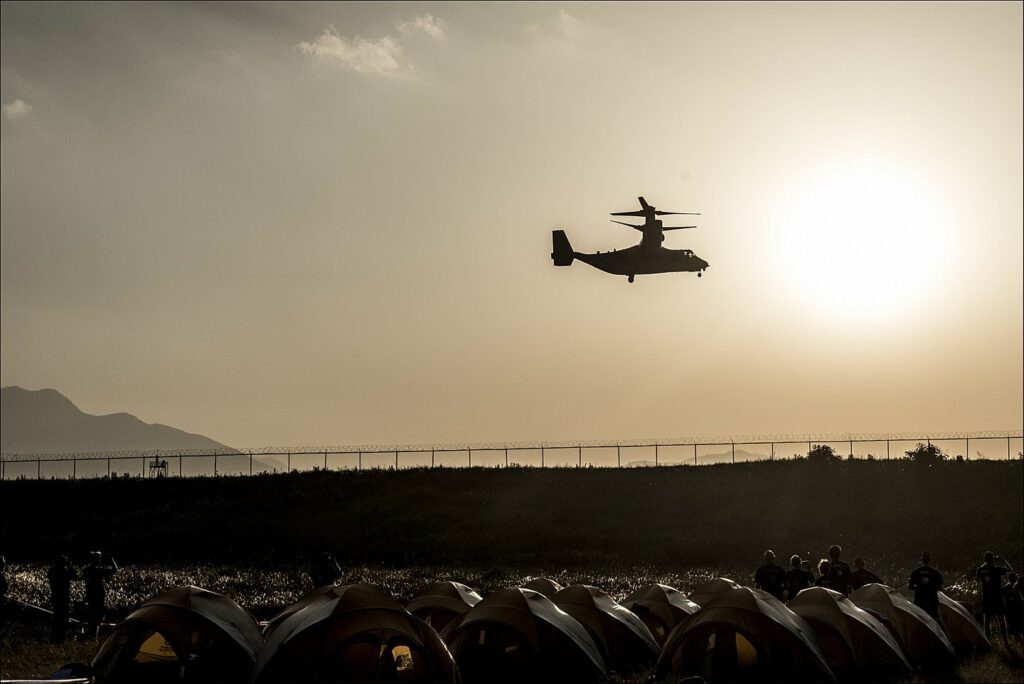
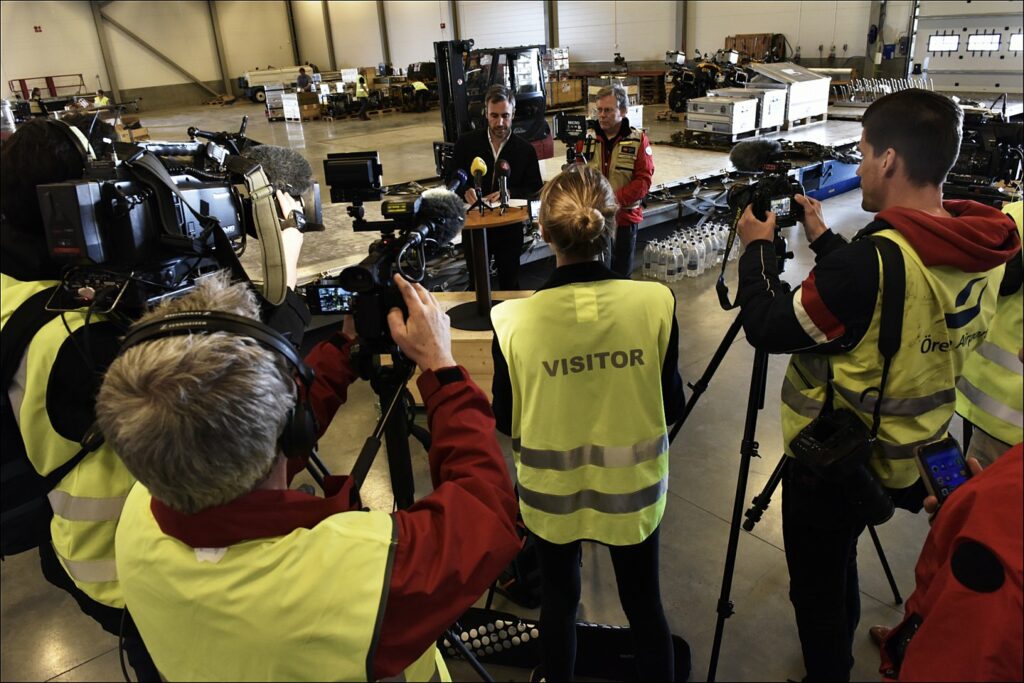
UNOCHA has activated assessment teams (UNDAC) and requested IHP to assist in enhancing coordination and communications capacity as well as securing adequate living and working conditions for staff. IHP is deploying 1 coordination module (On-Site Operations Coordination Center – OSOCC), 3 light base camps and 4 ICT modules to support the response efforts.
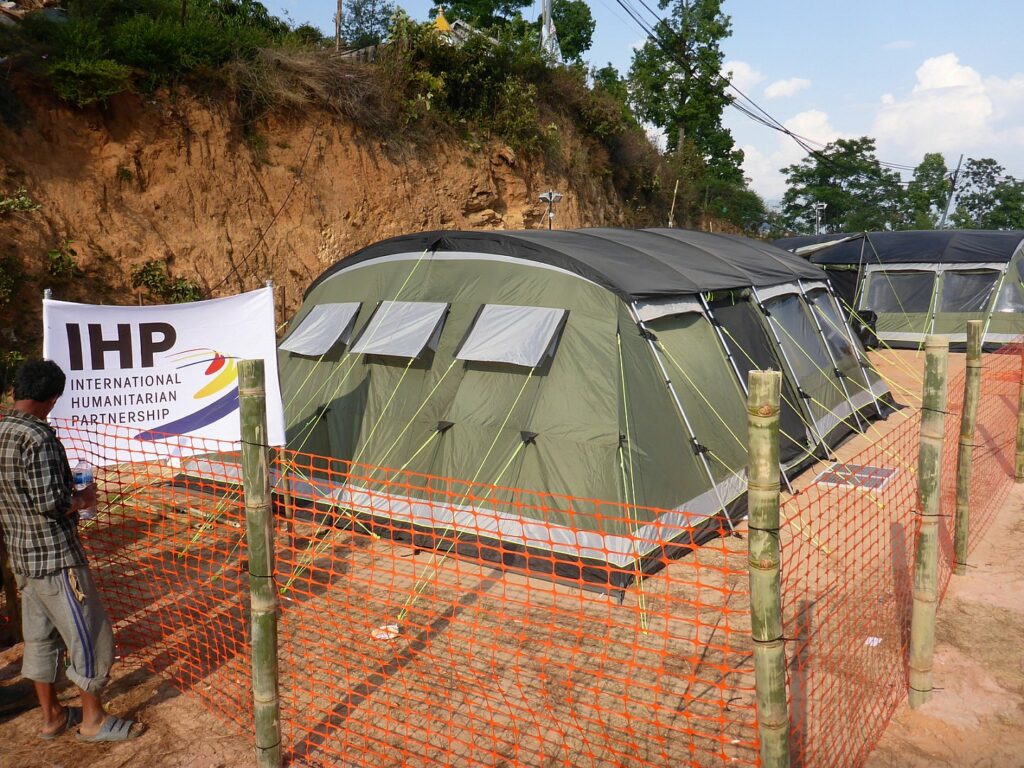
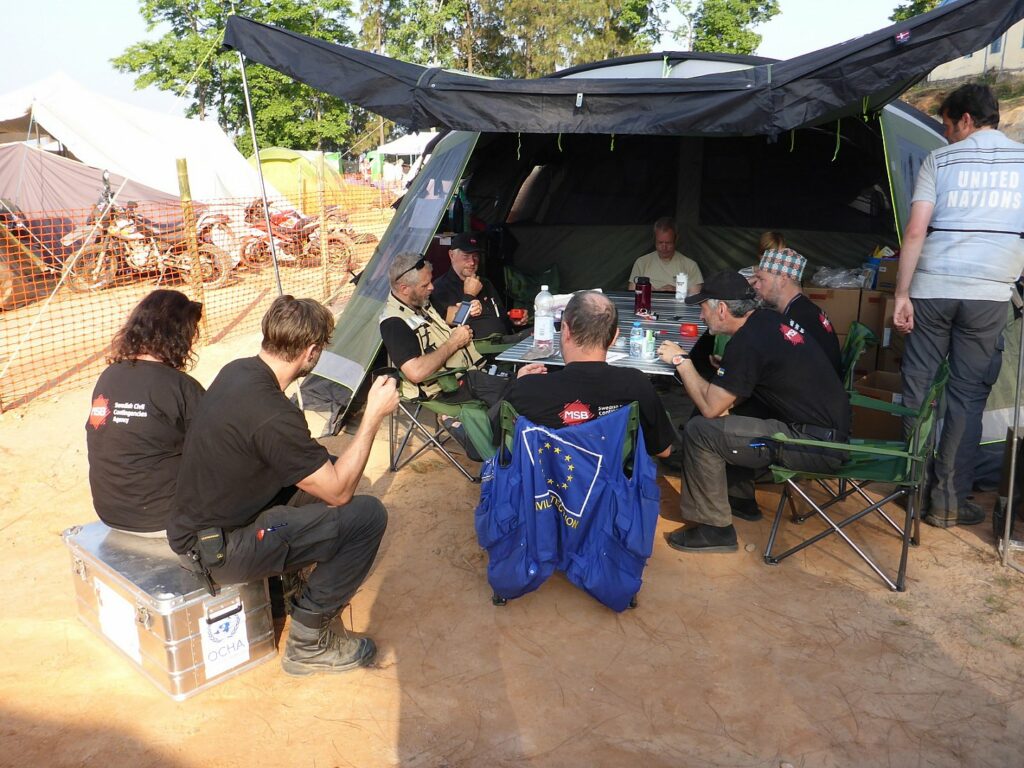
The IHP deployment is led by the Danish Emergency Management Agency (DEMA) and supported by the Swedish Civil Contingencies Agency (MSB) and the Norwegian Directorate for Civil Protection (DSB).

Cover Photo Credit: UNDP Nepal
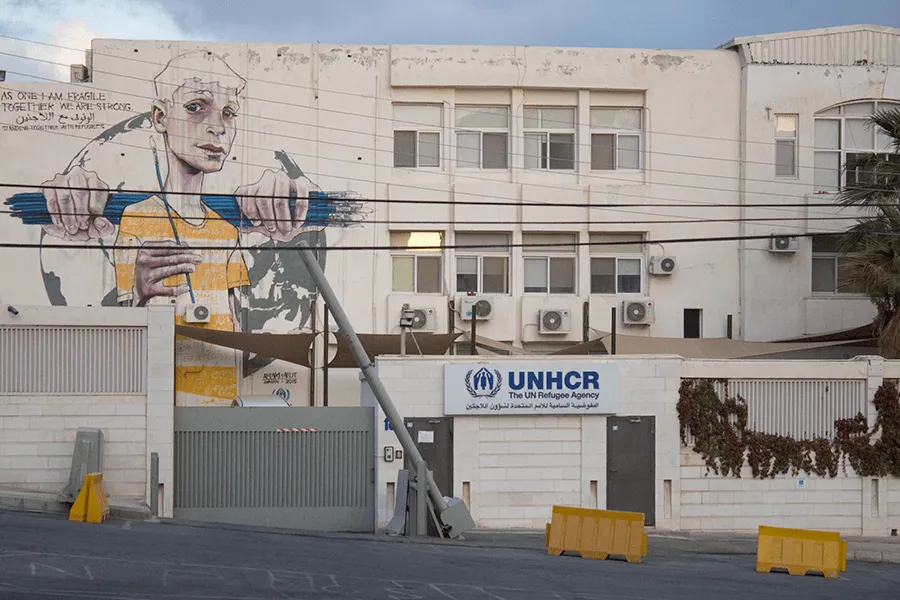
Essential equipment supporting humanitarian success

Explore the critical equipment deployed during this humanitarian mission. From advanced medical supplies to innovative logistical solutions, each resource was meticulously selected to address urgent needs on the ground. These tools exemplify our commitment to delivering efficient, effective, and tailored support in the most challenging environments.

Other missions

Hurricane Felix

In response to Hurricane Felix in Honduras in 2007, the International Humanitarian Partnership (IHP) deployed ICT support modules from Norway and Sweden to assist the UNDAC team. This support facilitated effective communication and coordination, enhancing the efficiency of humanitarian operations in the disaster-affected areas.

TRIPLEX 2002

In October 2002, the TRIPLEX exercise was held on the Danish island of Bornholm, bringing together international humanitarian actors for a large-scale disaster simulation. Organized by the International Humanitarian Partnership (IHP), the exercise provided a realistic training environment for over 200 participants, including UN agencies, EU Civil Protection teams, and NGOs. The scenario tested disaster assessments, coordination, and logistical support, with a focus on enhancing collaboration and interoperability among organizations. TRIPLEX 2002 showcased IHP’s ability to deploy support services such as base camps and communication systems, strengthening preparedness and coordination for future humanitarian emergencies.

Hurricane Matthew

The International Humanitarian Partnership (IHP) successfully supported over 30 humanitarian organizations operating in Jérémie, Haiti, in response to the devastation caused by Hurricane Matthew.