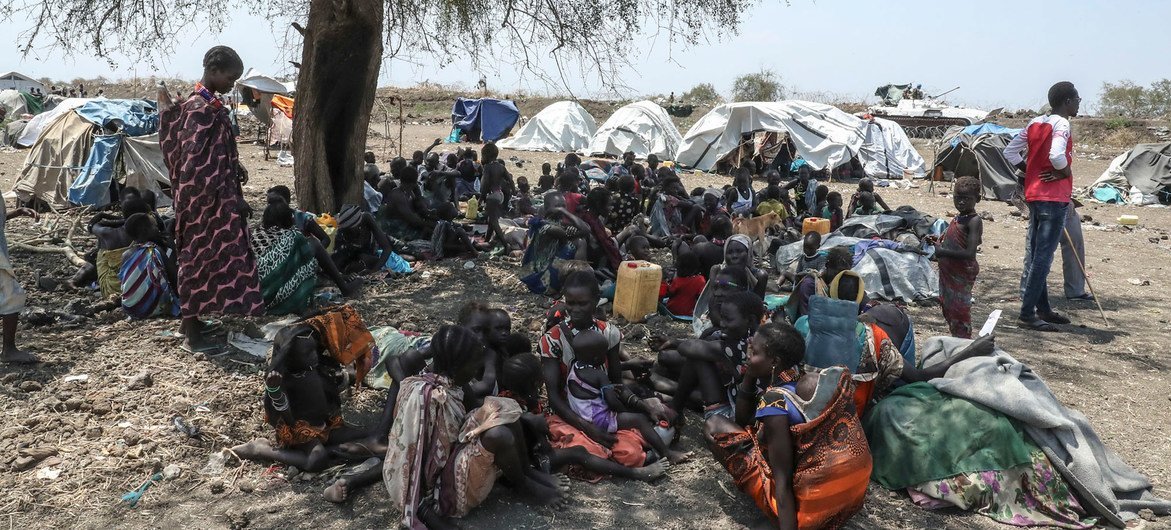
The South Sudanese Civil War in 2016 marked a continuation of the violent conflict that erupted in 2013 between forces loyal to President Salva Kiir and former Vice President Riek Machar. Despite a peace agreement signed in 2015, fighting resumed in July 2016, particularly in the capital, Juba, spreading instability across the country. The conflict led to widespread atrocities, mass displacement, and a severe humanitarian crisis, with millions of people facing famine and insecurity. The war severely disrupted South Sudan’s fragile economy and infrastructure, leaving the population dependent on humanitarian aid for survival amidst escalating violence.
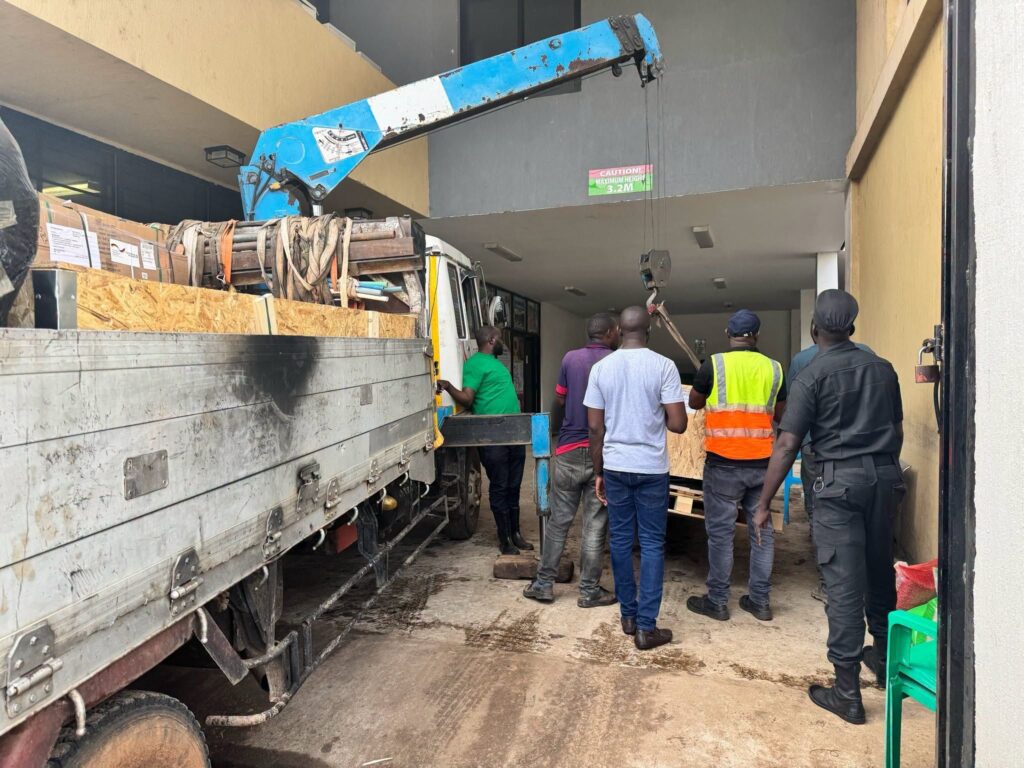
The International Humanitarian Partnership (IHP) played a critical role in supporting humanitarian operations in South Sudan by establishing six Light Base Camps (LBCs) across challenging locations in the Greater Upper Nile area. These LBCs were essential for providing secure accommodation, logistical support, and basic amenities for humanitarian staff, enabling more effective response operations in areas with limited accessibility due to conflict and rough terrain. The camps were equipped with amenities such as solar power, water purification systems, and sanitation facilities, improving the living conditions for aid workers conducting health programs, food distribution, and other crucial services.
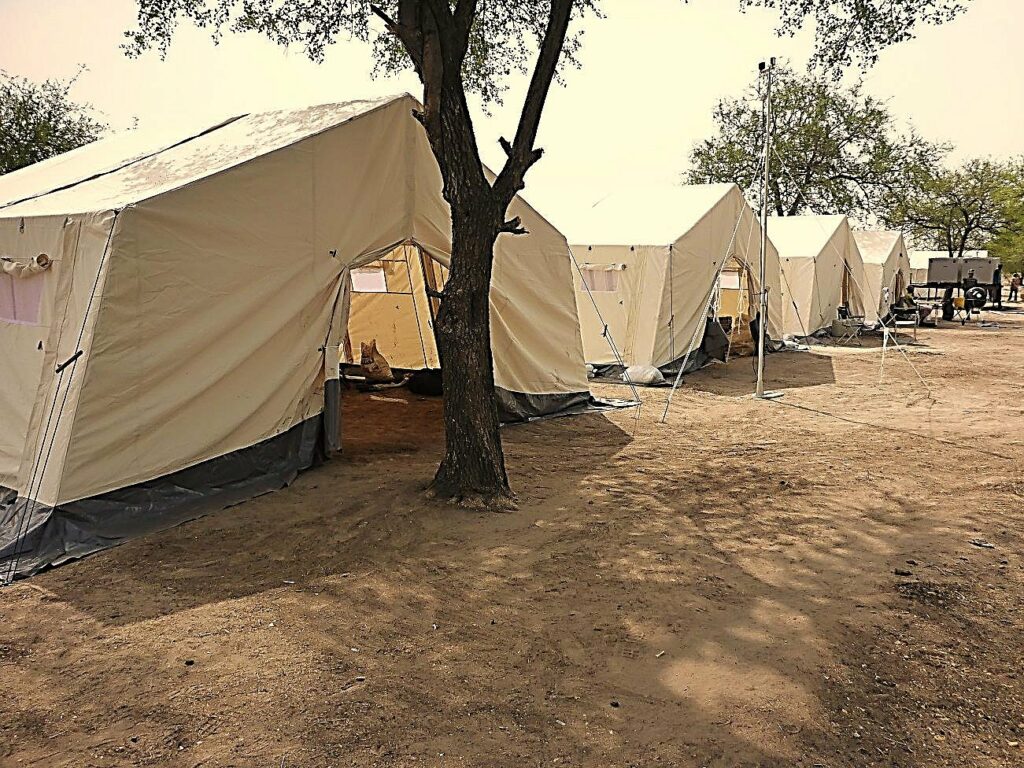
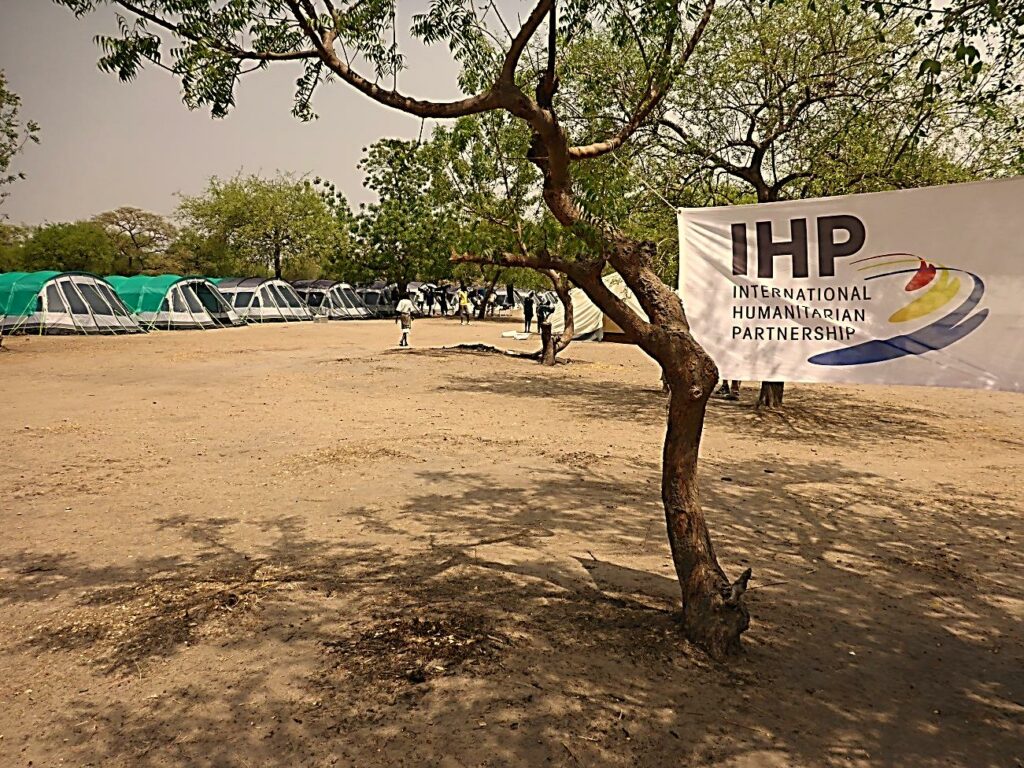
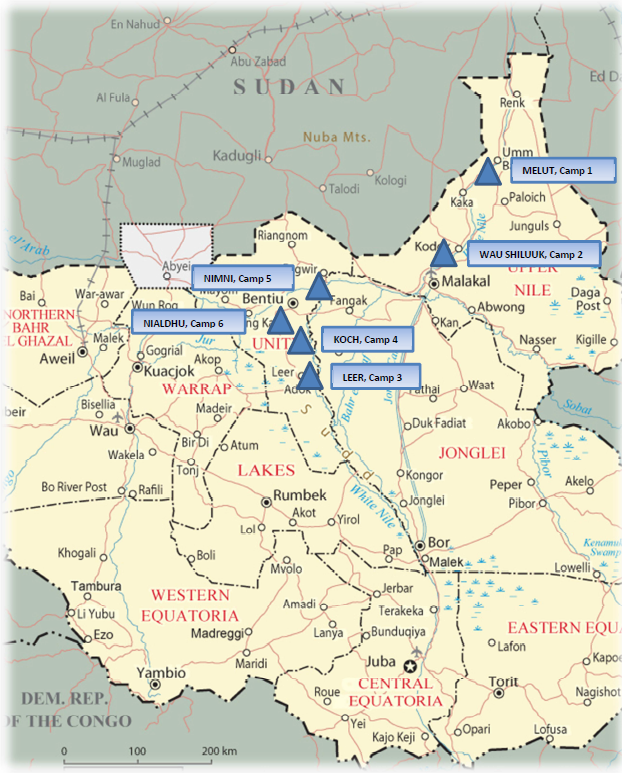
The project, carried out in partnership with the International Organization for Migration (IOM), focused on remote areas including Melut, Wau Shilluk, Leer, Koch, Nimni, and Nialdhu. Each camp supported around 30 humanitarian staff, creating hubs that allowed for better coordination among organizations and expanded access to vulnerable populations beyond the UN Protection of Civilians (PoC) sites. After the LBCs were established, they were handed over to local NGOs, which received training from IHP teams on managing and maintaining the facilities to ensure continued support.
The operation was led by the Swedish Civil Contingencies Agency (MSB) with support from the Danish Emergency Management Agency (DEMA), alongside equipment from the UK’s DFID. The mission was funded by the Swedish International Development Cooperation Agency (Sida), the Danish Ministry of Foreign Affairs, and the South Sudan Common Humanitarian Fund, managed by UNOCHA. IHP partners planned a review workshop in Copenhagen to assess the deployment and derive insights for future operations.
Cover Photo Credit: UN Photo/Isaac Billy