Home » Operations » Zanzibar Blackout

Zanzibar Blackout

Years :
Incidents :
Country :

Description of the mission

Participants :
Requester :

Cover Photo Credit: UNICEF/van Oorsouw

Essential equipment supporting humanitarian success

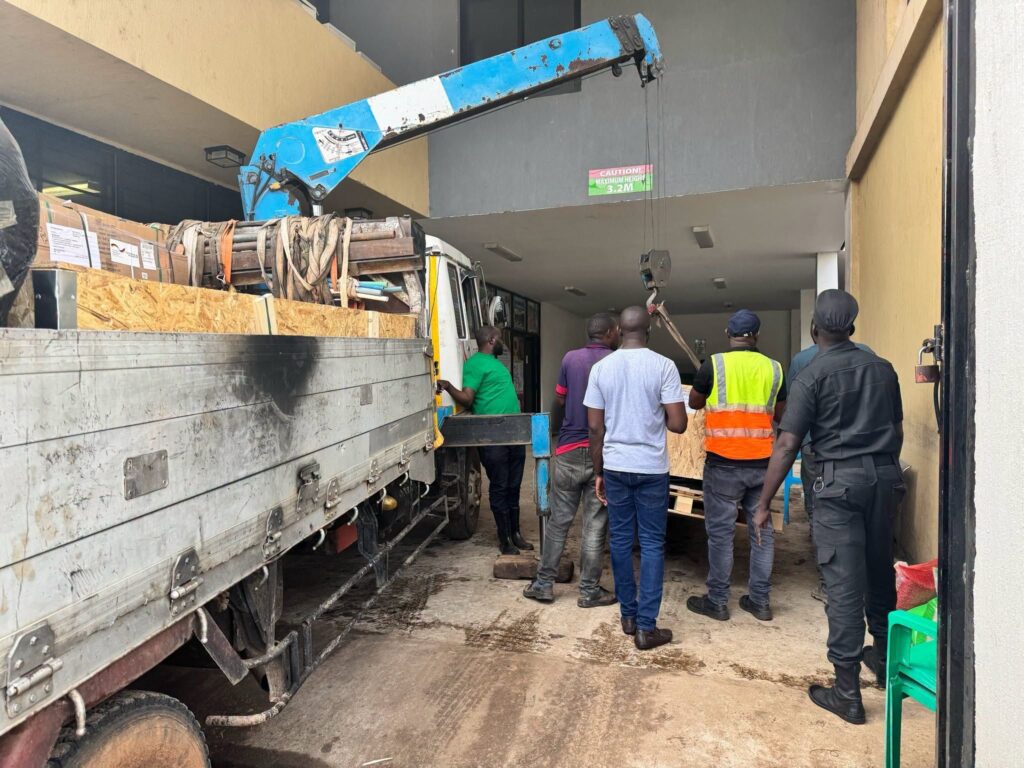
Explore the critical equipment deployed during this humanitarian mission. From advanced medical supplies to innovative logistical solutions, each resource was meticulously selected to address urgent needs on the ground. These tools exemplify our commitment to delivering efficient, effective, and tailored support in the most challenging environments.
Other missions

TRIPLEX 1997

The first-ever TRIPLEX exercise took place in 1997 in the United Kingdom, marking the beginning of a pioneering initiative in multilateral humanitarian preparedness. Organized by the International Humanitarian Partnership (IHP), the inaugural TRIPLEX focused on testing and enhancing coordination among humanitarian actors in a simulated emergency environment. Bringing together IHP member organizations and international partners, the exercise laid the foundation for what would become a cornerstone of civilian-led humanitarian response training. It set a precedent for future exercises, emphasizing collaboration, interoperability, and the practical application of skills in complex crisis scenarios.

Laos Emergency Preparedness

In 2007, the International Humanitarian Partnership (IHP) supported the United Nations Disaster Assessment and Coordination (UNDAC) team during an emergency preparedness mission in Laos. IHP provided logistics and operational assistance, including technical expertise and essential equipment, to enhance the mission's effectiveness.

TRIPLEX 2016

The 2016 TRIPLEX exercise, hosted by the Norwegian Directorate for Civil Protection in southern Norway, brought together over 200 participants from 36 organizations and more than 70 nationalities. Centered on a realistic scenario involving Hurricane "Windblown," which devastated the fictional country of Sörland, the exercise tested emergency response coordination among UN agencies, the EU Civil Protection team, NGOs, military actors, and private sector partners. The event began with workshops on the latest humanitarian tools and mechanisms, followed by a three-day simulation focused on assessments, coordination, and response planning.