Home » Operations » Beirut Port Explosion

Beirut Port Explosion

Years :
Incidents :
Country :

Description of the mission

Participants :
Requester :

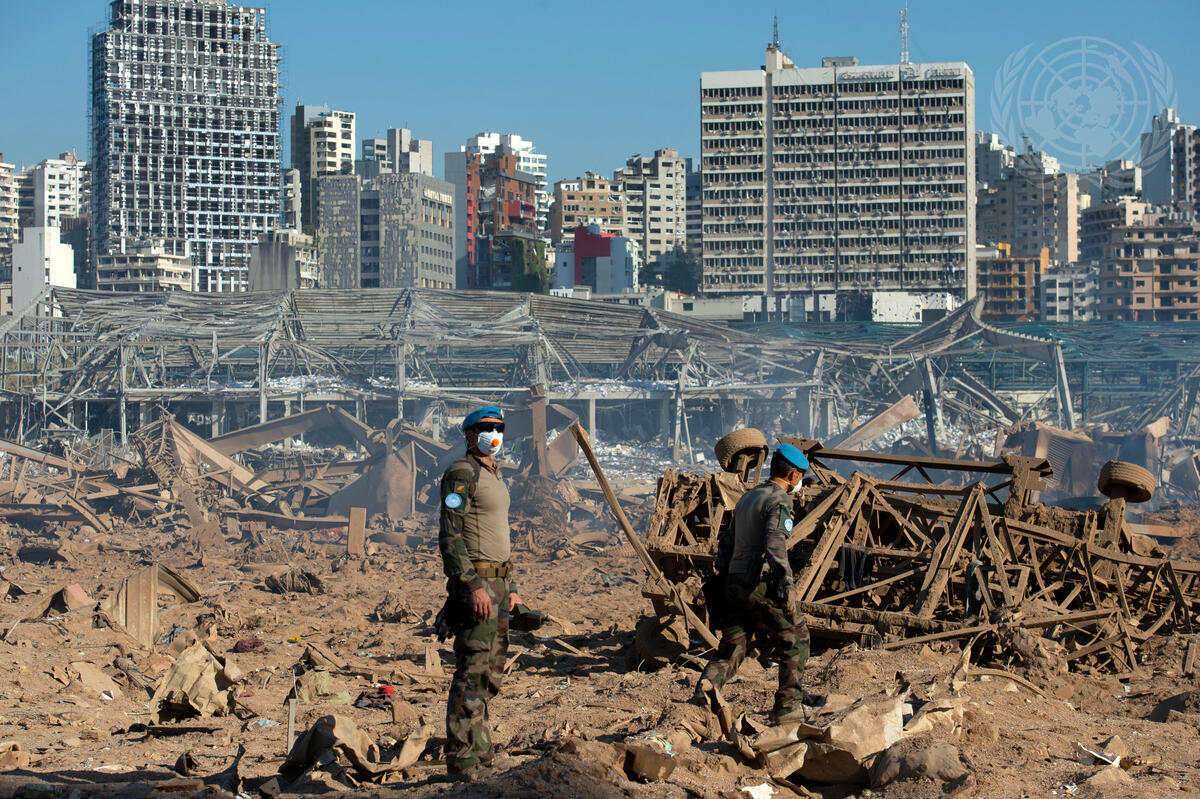
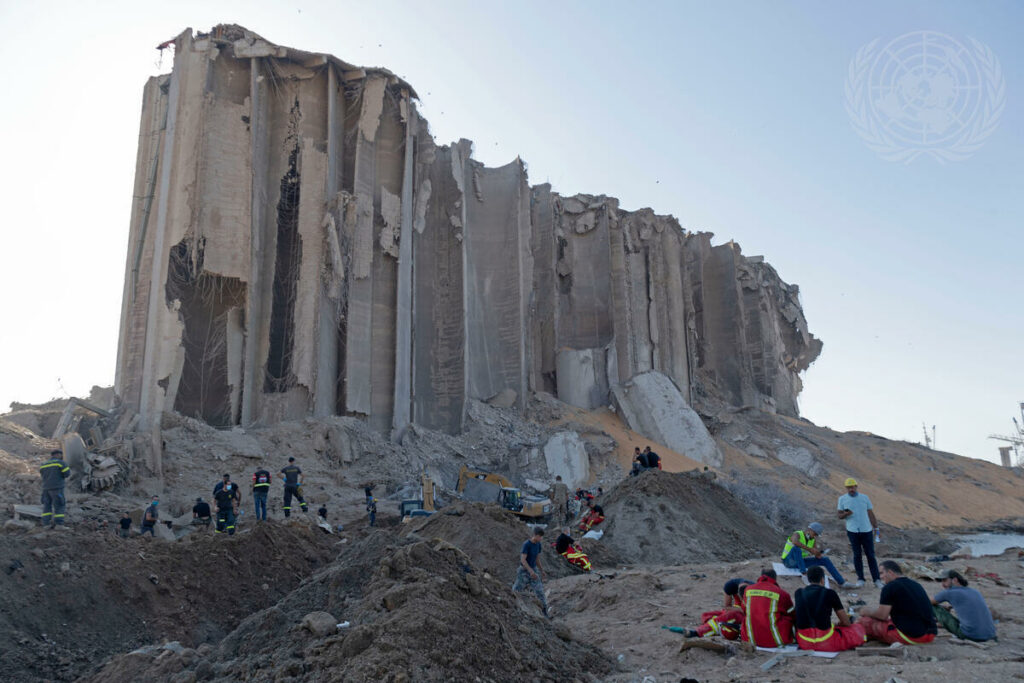
On 4 August 2020, a massive explosion occurred at the Beirut Port in Lebanon, caused by the detonation of approximately 2,750 tons of ammonium nitrate stored improperly in a warehouse. The explosion caused widespread destruction across the city, killing at least 200 people, injuring over 6,000, and displacing around 300,000 individuals. The blast severely damaged homes, infrastructure, and essential services, exacerbating an already fragile humanitarian situation in Lebanon.

In response to the disaster, OCHA activated the United Nations Disaster Assessment and Coordination (UNDAC) team to support the Lebanese government and humanitarian agencies. The International Humanitarian Partnership (IHP) was also activated to assist the UNDAC team, with the Swedish Civil Contingencies Agency (MSB) playing a leading role. MSB provided critical coordination support to the UNDAC team, helping to facilitate the overall response, manage logistics, and streamline communication between humanitarian actors. IHP’s contribution was instrumental in ensuring an efficient and coordinated international response, supporting the relief efforts in the wake of one of Lebanon’s most devastating tragedies.
Credit: UN Photo/Pasqual Gorriz

Cover Photo Credit: UN Photo/Pasqual Gorriz

Essential equipment supporting humanitarian success

Explore the critical equipment deployed during this humanitarian mission. From advanced medical supplies to innovative logistical solutions, each resource was meticulously selected to address urgent needs on the ground. These tools exemplify our commitment to delivering efficient, effective, and tailored support in the most challenging environments.

Other missions

Libya Civil War

During the 2011 Libyan civil war, IHP supported the UNDAC team by providing essential office and communication infrastructure, enabling efficient coordination and assessment of the humanitarian response in a volatile environment.

Cox’s Bazar Hubs

In response to the 2017 Rohingya refugee crisis in Bangladesh, the International Humanitarian Partnership (IHP) established critical coordination hubs to support humanitarian operations for the hundreds of thousands of Rohingya refugees who fled violence in Myanmar.

Pakistan Floods

In response to the devastating 2010 Pakistan floods, IHP deployed ICT modules from Norway, Sweden, and Denmark to support UN OCHA’s coordination efforts. Additionally, a multi-nation team established a base camp for 70 aid workers, providing vital infrastructure for relief operations. This mission exemplified IHP’s collaborative spirit in crisis response.