Home » Operations » Zaatari Refugee Camp

Zaatari Refugee Camp

Years :
Incidents :
Country :

Description of the mission

Participants :
Requester :

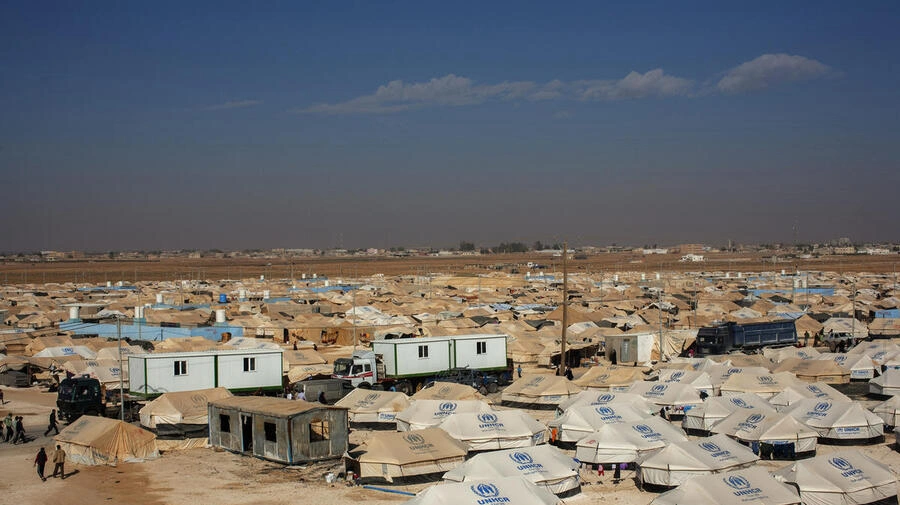
The Syrian civil war, which began in 2011, led to one of the largest displacement crises in modern history. Millions fled the violence, with Jordan becoming a primary destination for those seeking safety. Among the refugee camps established in Jordan, Zaatari emerged as a central hub for Syrian refugees. Located near the Syrian border, Zaatari has grown to become one of the largest refugee camps in the world, symbolizing both the resilience of its residents and the challenges of managing such a massive humanitarian response.

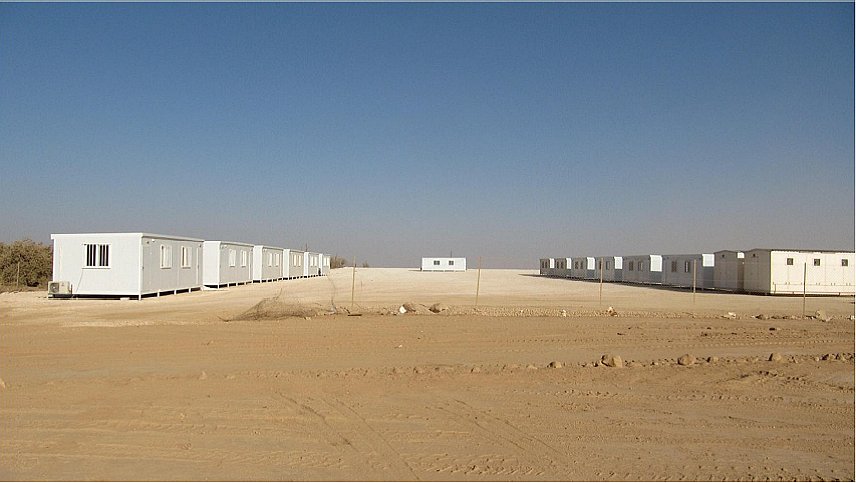
In 2014, at the height of the crisis, the International Humanitarian Partnership (IHP) joined efforts to enhance the camp’s capacity to support refugees and humanitarian operations. Responding to a request from UNHCR, IHP, alongside other partners, facilitated the construction of 80 office spaces and meeting rooms within the camp. These facilities provided essential infrastructure for coordination, planning, and delivering services to the camp’s residents.

The Zaatari Refugee Camp today is more than a temporary shelter—it is a sprawling city that accommodates over 80,000 Syrian refugees. The camp features markets, schools, health centers, and community spaces, offering a semblance of normalcy amid challenging circumstances. The offices and meeting rooms established with IHP’s support remain vital, enabling organizations to work efficiently and collaborate effectively in addressing the refugees’ needs.

While the camp has become a symbol of humanitarian assistance, the ongoing need for support is a stark reminder of the protracted nature of the Syrian crisis. IHP’s involvement in Zaatari underscores the importance of global partnerships in providing both immediate relief and sustainable infrastructure, ensuring that displaced populations receive the care and services they need to rebuild their lives.
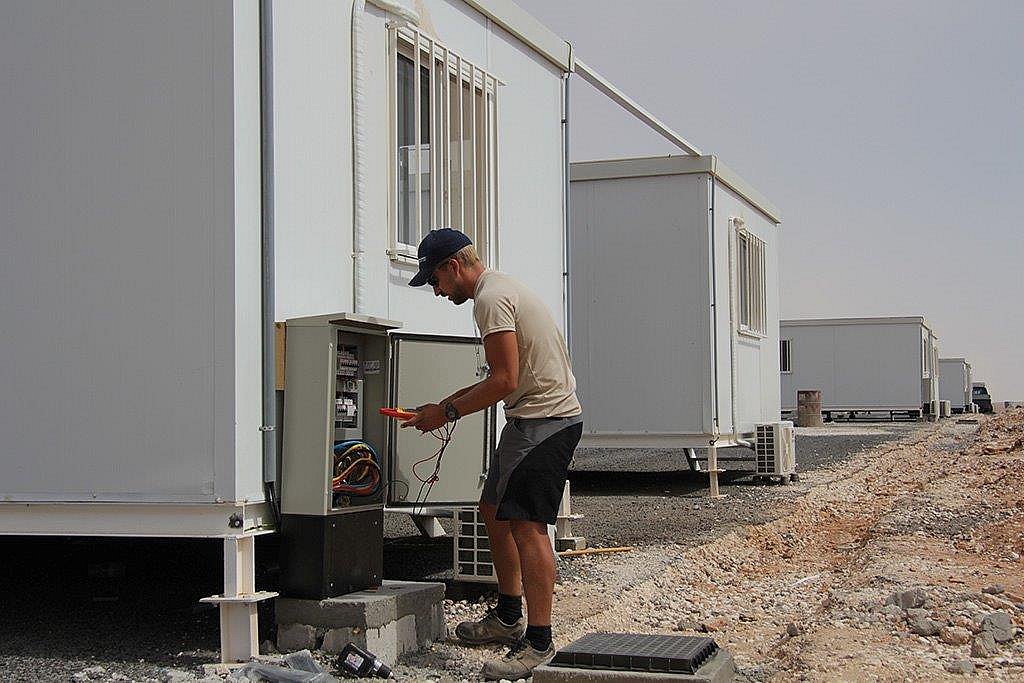
Cover Photo Credit: UNHCR/Brian Sokol
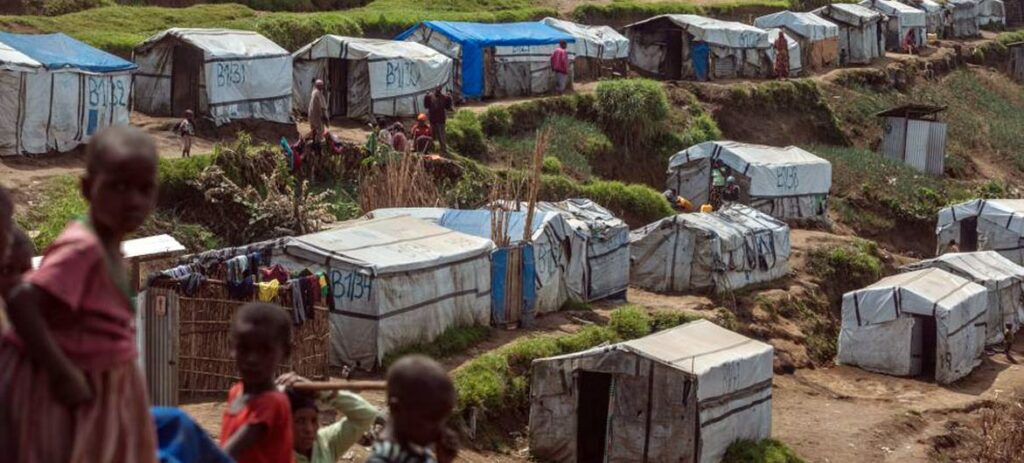
Essential equipment supporting humanitarian success

Explore the critical equipment deployed during this humanitarian mission. From advanced medical supplies to innovative logistical solutions, each resource was meticulously selected to address urgent needs on the ground. These tools exemplify our commitment to delivering efficient, effective, and tailored support in the most challenging environments.

Other missions

Uganda Preparedness

IHP provided ICT support to UNDAC during Uganda's emergency preparedness efforts. The deployment included satellite phones, laptops, and internet connectivity to ensure seamless communication and coordination in disaster response scenarios. This critical support helped enhance Uganda's readiness to handle emergencies, enabling efficient assessments and real-time collaboration with international humanitarian teams.

Cyclone Idai

In response to the devastating impact of Cyclone Idai in March 2019, the International Humanitarian Partnership (IHP) was quickly activated to support the UN Disaster Assessment and Coordination (UNDAC) team deployed by OCHA.

TRIPLEX 2002

In October 2002, the TRIPLEX exercise was held on the Danish island of Bornholm, bringing together international humanitarian actors for a large-scale disaster simulation. Organized by the International Humanitarian Partnership (IHP), the exercise provided a realistic training environment for over 200 participants, including UN agencies, EU Civil Protection teams, and NGOs. The scenario tested disaster assessments, coordination, and logistical support, with a focus on enhancing collaboration and interoperability among organizations. TRIPLEX 2002 showcased IHP’s ability to deploy support services such as base camps and communication systems, strengthening preparedness and coordination for future humanitarian emergencies.