Home » Operations » Azraq Refugee Camp

Azraq Refugee Camp

Years :
Incidents :
Country :

Description of the mission

Participants :
Requester :

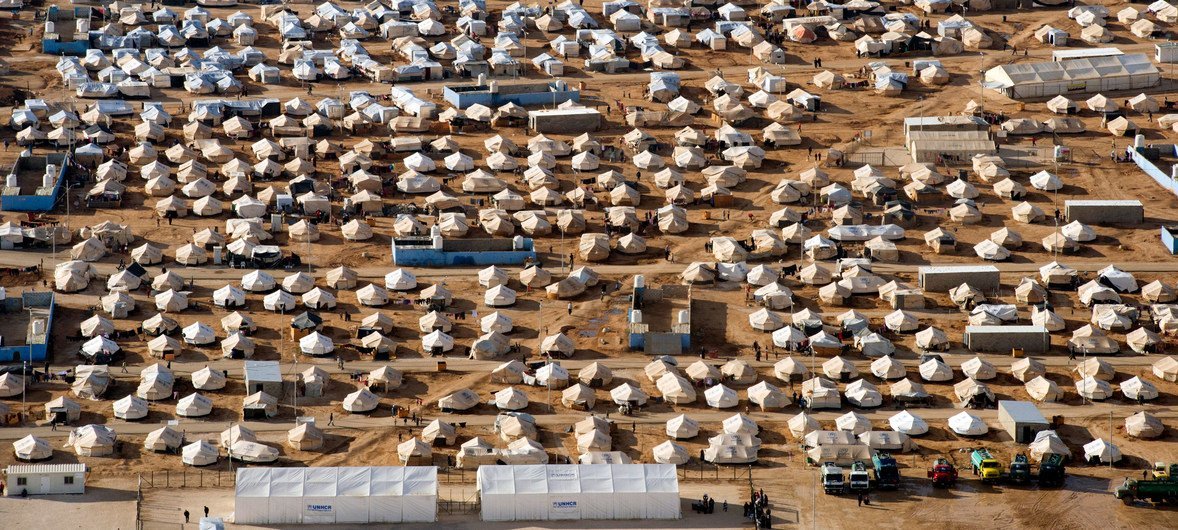
The Syrian civil war, which erupted in 2011, triggered one of the most significant displacement crises in recent history. Millions of Syrians fled their homes, seeking safety in neighboring countries like Jordan. Among the camps established to host refugees, Azraq Refugee Camp became a cornerstone of Jordan’s response to the crisis. Located in the desert, Azraq is designed to provide a safe haven for tens of thousands of Syrians who have lost everything.

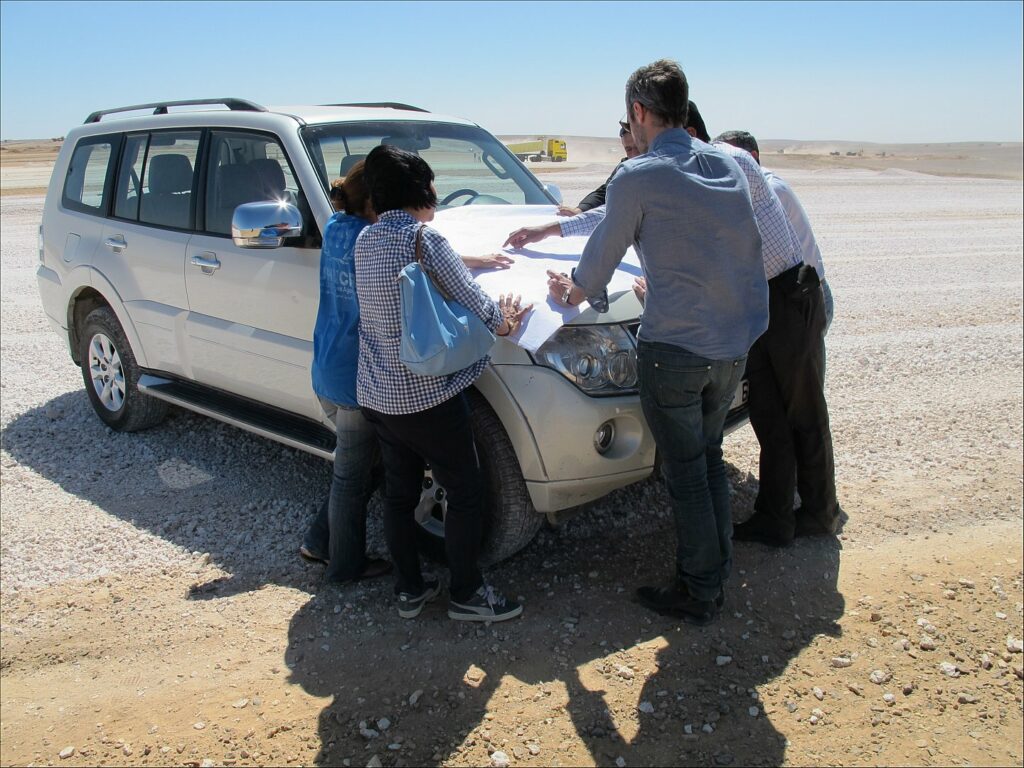
In 2014, the International Humanitarian Partnership (IHP) played a critical role in enhancing the camp’s operational capacity. Responding to a request from UNHCR, IHP supported the construction of 80 office spaces and meeting rooms in the camp. These facilities became the backbone of humanitarian coordination, enabling organizations to collaborate effectively and deliver vital services to camp residents.
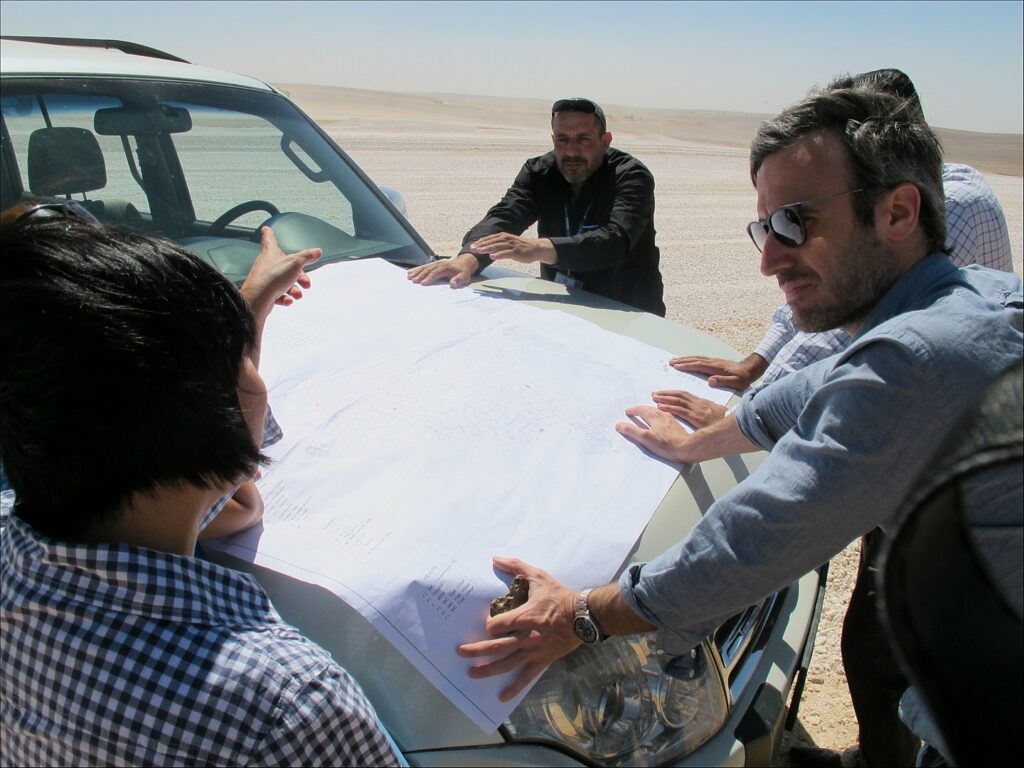
Today, Azraq Refugee Camp is home to approximately 40,000 Syrian refugees. Known for its organized layout and emphasis on sustainability, the camp features schools, health centers, communal kitchens, and solar-powered electricity. The offices established with IHP’s support remain essential, facilitating the work of humanitarian agencies and ensuring the smooth delivery of aid and services to refugees.

While Azraq offers safety and basic services, the refugees’ long-term needs underscore the enduring nature of the Syrian crisis. IHP’s involvement highlights the critical importance of strong partnerships in building infrastructure that not only addresses immediate needs but also provides a foundation for resilience and hope in the face of ongoing challenges.

Cover Photo Credit: UN Photo/Mark Garten

Essential equipment supporting humanitarian success

Explore the critical equipment deployed during this humanitarian mission. From advanced medical supplies to innovative logistical solutions, each resource was meticulously selected to address urgent needs on the ground. These tools exemplify our commitment to delivering efficient, effective, and tailored support in the most challenging environments.

Other missions

Farchana Hub Upgrade

Luxembourg and Germany conducted an upgrade mission to the Farchana Humanitarian Hub, refurbishing key installations and expanding overall capacity to better support inter‑agency operations for the Chad–Sudan cross‑border humanitarian response.

TRIPLEX 1998

In June 1998, TRIPLEX took place in Camberley and at Manston Airfield in the UK, building on the success of the inaugural exercise. Organized by the International Humanitarian Partnership (IHP), this large-scale simulation brought together humanitarian organizations, UN agencies, and EU Civil Protection teams to practice disaster response in a realistic and controlled environment. The exercise focused on improving coordination, assessments, and logistical support, with participants addressing challenges such as rapid deployment and operational interoperability. TRIPLEX 1998 highlighted the importance of collaboration and preparedness, reinforcing the capacity of humanitarian actors to respond effectively to complex emergencies.

Pakistan Floods

In response to the devastating 2010 Pakistan floods, IHP deployed ICT modules from Norway, Sweden, and Denmark to support UN OCHA’s coordination efforts. Additionally, a multi-nation team established a base camp for 70 aid workers, providing vital infrastructure for relief operations. This mission exemplified IHP’s collaborative spirit in crisis response.